What Makes an Organic Fertilizer Supplier Cost-Effective for Farms?
Defining Cost-Effectiveness in Organic Fertilizer Supply
- Defining Cost-Effectiveness in Organic Fertilizer Supply
- Core Criteria for Selecting a Cost-Effective Organic Fertilizer Supplier
- Comparison of Organic Fertilizer Types and Their Impact on Cost-Effectiveness
- How Trusted Suppliers Drive Cost-Effectiveness for Farm Procurement
- Practical Tips for Farm Managers to Maximize Value from Organic Fertilizer Suppliers
- Conclusion
- FAQ
- Partner with Sciground: Your Trusted Organic Fertilizer Manufacturer
- References
An Organic fertilizer supplier can keep their prices low by providing regular product quality, dependable logistics, and full agronomic support that leads to higher crop yields and healthier soil. Real cost-effective Organic fertilizer suppliers work with farm managers to improve nutrient delivery, cut down on waste, and meet certification standards, unlike transactional vendors who only care about price per ton. This strategic partnership makes sure that every dollar spent on organic inputs pays off in the form of better crop performance, less reliance on chemicals, and easier access to premium organic markets. This makes choosing the right Organic fertilizer supplier a key factor in determining how profitable modern farming operations are.
Defining Cost-Effectiveness in Organic Fertilizer Supply
When buying organic fertilizer, cost-effectiveness is more than just comparing unit prices. Farm managers need to look at the full value equation when choosing an Organic fertilizer supplier. This includes weighing the short-term costs of doing business against the long-term benefits for crops and the company's place in the market.
Balancing Price with Product Quality
Most of the time, the cheapest Organic fertilizer supplier is not also the best deal. The makeup of the product decides how available nutrients are and how much the soil can be improved. Organic fertilizers that are good for plants usually have a carbon-to-nitrogen ratio of 15:1 or more and an organic matter amount of 45% or more by dry weight. These technical details have a direct effect on the rates of weathering and the patterns of nutrient release. A trustworthy Organic fertilizer supplier will give you thorough chemical analysis records with NPK values, humic acid concentrations, and heavy metal test results. International safety standards say that heavy metal levels must be met: arsenic must be less than 15 mg/kg, cadmium must be less than 3 mg/kg, and lead must not be more than 50 mg/kg. These quality standards protect the health of the land and the marketability of crops over several growing seasons.
Supplier Capabilities and Certifications
Organic fertilizer suppliers that are reliable can be told apart from those that aren't by their operational scale and licensing status. Consistency from batch to batch is guaranteed by factories that have the right infrastructure for waste, fermentation control systems, and quality testing labs. Products that meet strict organic standards have been certified by organizations like the USDA Organic, OMRI, and state agriculture departments. When choosing an Organic fertilizer supplier, make sure that their production ability fits the times of the year when you need it. Suppliers with production sites that are at least 3,500 square meters and have more than one fermentation line can handle big orders while keeping quality control in check. This production capacity is especially important during times of high demand, when problems in the supply chain can cause planting plans to be pushed back.
Environmental Benefits as Economic Advantages
Organic fertilizers solve several problems in the business that synthetic options make worse. Soil acidification, nitrogen loss, and microbial breakdown are all hidden costs that add up over the course of a growth season. Organic nutrients lower long-term input needs by repairing soil structure and improving cation exchange capacity. The addition of organic matter increases the soil's ability to hold water by up to 20%. This lowers the cost of watering in areas with limited water. A forward-thinking Organic fertilizer supplier knows about these combined benefits and helps farm managers figure out the total cost of ownership instead of just looking at the price of the fertilizer. More and more people want approved organic food, which means that higher input costs can be justified by higher prices. In many market groups, organic crops can command 30–50% price premiums.
Core Criteria for Selecting a Cost-Effective Organic Fertilizer Supplier
Systematically evaluating a supplier's skills across a number of variables is needed to make smart purchasing decisions. The following set of factors helps farm managers find Organic fertilizer suppliers that provide measurable value.
Product Consistency and Quality Metrics
Variability between batches makes it harder to plan for precision gardening and nutrient control. Ask for proof of analysis for recent production runs when you are looking into an Organic fertilizer supplier. Compare the amounts of organic matter, wetness (it should stay below 20% to avoid storing problems), and micronutrients in different samples. When the product is fermenting and granulating, good Organic fertilizer suppliers keep process controls in place that keep variations to a minimum. Granule size regularity is important, especially for spreading equipment that uses machines. Particles that are consistently 2 to 4 mm in size flow easily through spreaders and keep the application from being uneven. Pathogen testing is another way to tell if something is of good quality. The number of coliform bacteria in feces should stay below 1,000 MPN/g, and there should be no Salmonella in 25g samples.
Pricing Structures and Volume Discounts
Pricing that is clear builds trust between buyers and sellers. Full-service Organic fertilizer suppliers offer different prices based on how much you order, with savings for buying in bulk showing how economies of scale work in manufacturing. Ask for detailed quotes that include the price per ton, the cost of transport, and any yearly price changes. Some sellers give known customers discounts for paying early or longer payment terms. Figure out the delivered cost per acre based on the rates that are suggested for your crops and land. A source with lower prices per ton may actually charge more if their product needs to be applied at higher rates to give the same amount of nutrients. The least expensive Organic fertilizer supplier gives agronomic advice that helps farmers use the right amount of fertilizer, so they spend less and get better results from their crops.
Logistics Efficiency and Supply Chain Reliability
The cost of transportation has a big effect on the total cost of buying things, especially for huge items like organic fertilizers. Being close to a supplier's factories cuts down on freight costs and the carbon footprint. But the skills of the delivery network are just as important. Check to see if the Organic fertilizer supplier has area delivery centers or works with dependable logistics providers. Consistency in lead time keeps planting from being held up and lets nutrients be applied at the exact right time to match crop growth stages. Suppliers who have their own truck teams or priority shipping plans are more reliable than those who use third-party carriers during times of high demand. Minimum order numbers limit suppliers' ability to be flexible. However, suppliers that accept smaller sample orders let farm managers try goods before committing to full-season volumes.
Technical Support Services
Agronomic knowledge is what sets great Organic fertilizer suppliers apart from average ones. Value-added services like interpreting soil tests, making custom nutrient management plans, and teaching farmers how to use fertilizer on the farm improve its performance. Organic fertilizer suppliers with roots in study or ties in agricultural science give client relationships more technical depth. We have seen Organic fertilizer suppliers whose employees used to be agricultural research experts advise on how to grow plants, including how to choose a site, what kinds of seeds to use, and how to use integrated pest management techniques. With this all-around help, farmers can get past problems like crop failure and diseases that spread through the land. Regular field trips, educational classes, and helpful technical hotlines add value that lasts after the product is delivered.
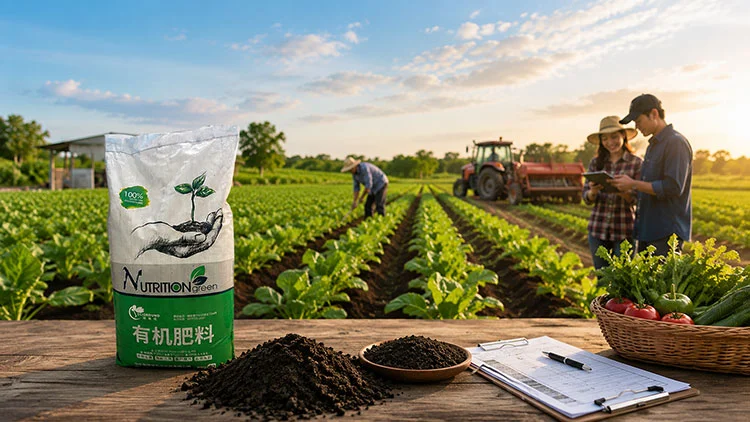
Comparison of Organic Fertilizer Types and Their Impact on Cost-Effectiveness
Different types of organic fertilizer are best for different farming tasks, and the most cost-effective one depends on the crop and the land.
Compost-Based and Manure-Based Options
Composted dung is still the most important part of organic fertility systems. With a wide range of micronutrients and a lot of organic matter, these materials provide well-balanced nutrition. Fertilizers made from animal waste from farms that raise chickens, horses, or pigs usually have NPK ratios between 3–2 and 5–5. Because they have fewer nutrients per unit area than synthetic fertilizers, they need to be used in larger amounts—usually 5 to 10 tons per acre for soil repair. But the better soil structure and increased activity of microbes make these application rates reasonable. An experienced Organic fertilizer supplier controls fermentation and sterilizes raw dung at high temperatures to get rid of pathogens while keeping good bacteria. Composting time and how often it is turned affect the quality of the end product. Compost that has been aged properly has an earthy smell and a crumbly appearance, which means it has fully matured.
Specialized Biofertilizers and Liquid Formulations
Liquid organic fertilizers that have been broken down by enzymes are useful for precision agriculture because they contain concentrated amino acids and soluble organic chemicals. These items can be used with fertigation systems in greenhouses and for hydroponic growing. The higher processing costs lead to higher prices, but the better supply of nutrients and lower labor needs more than make up for the starting costs. To keep drip irrigation sprinklers with tip sizes below 1mm from getting clogged, liquid formulations must stay 98% or more water-soluble. Specialized biofertilizers that contain helpful bacteria types or mycorrhizal fungi improve the cycling of nutrients and the prevention of disease, which adds to the value of growing high-value crops. An Organic fertilizer supplier that specializes in making custom mixes for different crops can meet their specific needs, such as providing calcium-rich products for tomatoes or high-potassium mixes for fruit crops that are getting ready to be picked.
Cost-Benefit Analysis Versus Synthetic Alternatives
When looking at short-term economics, manufactured fertilizers usually win because they cost less per unit and have more nutrients. But a full study that takes into account changes in soil health, the costs of following the rules, and the benefits of having access to markets changes the equation. Synthetic fertilizers have high salt levels that hurt plant roots and break down the soil's structure over time. The cleanup costs for eutrophication damage and nitrate pollution of groundwater are costs that come from outside of biological systems. Getting organic approval lets you sell your food in high-end stores where it costs a lot more. An Organic fertilizer supplier who knows what they're doing can help farm managers make long-term economic forecasts that take these benefits into account. This shows how organic programs improve revenue over time, even though they cost more at the start.
How Trusted Suppliers Drive Cost-Effectiveness for Farm Procurement
Reliable Organic fertilizer suppliers are more like strategic partners than transactional vendors. They create value through a variety of channels that make farm operations run more smoothly.
Addressing Seasonal Demand and Specialty Crop Needs
Agricultural production has clear regular patterns that make it hard to get what you need. When plants are planted in the spring, there are concentrated demand jumps that put pressure on supply lines and drive up prices. Organic fertilizer suppliers who are proactive help farm managers plan for the season by making sure they have enough product before demand spikes. This planning ahead keeps prices stable and makes sure that products will be available when application windows open. Specialty crop production needs formulation tailoring that can't be done by sellers of general goods. Working together with experts in farming research at Sciground has led to the creation of unique organic fertilizers for milk thistle, Corydalis yanhusuo, Aconitum carmichaelii, and many types of fruit trees. These tailored formulations take into account growth trends and nutritional needs that generic goods don't. To get the best nutrient ratios, the growth process uses data from soil tests, plant tissue analyses, and field studies that happen over more than one season.
Manufacturing Efficiency and Quality Assurance
Cost competition is directly affected by the size of production. When a facility processes a lot of raw materials, it can get better prices on the materials it needs and buy more advanced processing equipment. Temperature-controlled fermentation systems and automatic granulation lines make the quality of the product better while lowering the cost of labor per ton made. In our 6,000-square-meter plant in Chenggu County, Hanzhong City, we use multiple stages of fermentation and cleaning to turn animal manure, peat moss, and straw powder into different products. By adding trace elements that are special to a crop during the final formulation process, customized goods are made that meet a wide range of farming needs. Equipment that uses less energy and systems that collect heat from waste lower production costs without lowering quality. Because of these organizational efficiencies, prices are more affordable, which is good for farm buyers and keeps Organic fertilizer supplier margins healthy.
Comprehensive Agronomic Support
The best Organic fertilizer suppliers offer a wide range of farming services that work together to make fertilizer work better, and crops do better. Our team helps with everything from choosing the first site to harvesting the crops. They do this by suggesting seed varieties, showing you how to prepare the land, and giving you full instructions on how to apply the seeds. Monitoring the field on a regular basis finds nutrient shortages or pest problems before they hurt crops. We broadcast lessons on cultivation techniques and work with local farm development offices to get the word out about the best ways to do things. This way of teaching builds farmers' basic skills and makes sure they use products correctly. With soil testing services and fertility advice, you can make personalized nutrient management plans that keep you from wasting money on too much or too little application of nutrients. Support is available all year long through phone and email consultations that can be done remotely.
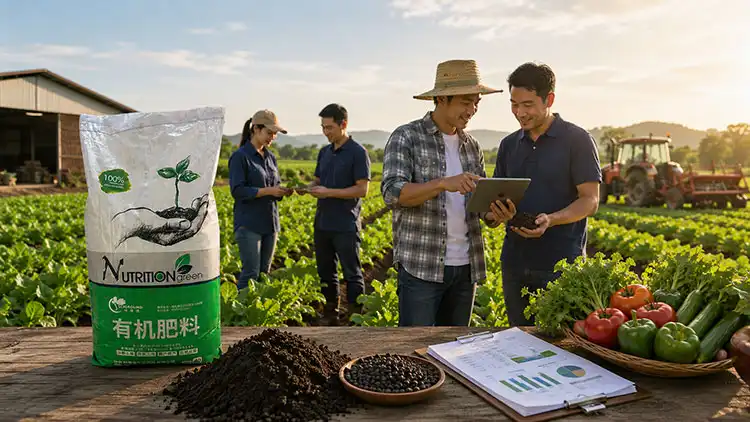
Practical Tips for Farm Managers to Maximize Value from Organic Fertilizer Suppliers
Strategic purchasing and managing relationships with Organic fertilizer suppliers make organic fertilizer programs even more cost-effective.
Overcoming Quality Inconsistency and Supply Disruptions
A common problem when buying organic fertilizer is that products aren't always the same. Setting clear quality standards before making orders keeps people from misinterpreting and being disappointed by deliveries. Instead of old samples that might not reflect how things are made now, ask for examples that are representative of current production runs. Try out small amounts on the farm before committing to full-season buying. During this testing time, the real crop reaction and handling traits are shown. Having relationships with several qualified Organic fertilizer suppliers gives you backup choices in case your main Organic fertilizer suppliers have problems with production or capacity. But don't have too many different Organic fertilizer suppliers; that makes it impossible to get big discounts and lowers the value of your relationships.
Establishing Performance Metrics and Communication Protocols
Setting clear standards and making it easier to evaluate Organic fertilizer suppliers objectively is made easier by using measured key performance indicators. Track measures like the percentage of on-time deliveries, the percentage of product specifications that are followed, and the percentage of expert questions that are answered. Set up business reviews with your main Organic fertilizer supplier every three months to talk about performance trends, solve concerns, and plan for the needs of the next growing season. When there are clear lines of communication, small problems don't get worse and become practical problems. Set up main points of contact on both sides to make it easier to share information and make decisions. Write down all the details about the product, the price, and when it will be delivered in contracts that protect both sides' interests.
Integrating Soil Health Monitoring and Precision Application
To get the most out of organic fertilizer, you need to make sure that the rates and times of delivery are right for the crop. Testing the soil once a year sets a standard for its fertility and keeps track of its gains over the growing seasons. The test results help choose the right fertilizer and change the rate at which it is applied so that the most input is used efficiently. Accurate dosing and even spread are made possible by precision application equipment that has been measured for the properties of organic fertilizer granules. Spreaders that are led by GPS don't overlap or leave holes that waste materials or make yields vary. Some Organic fertilizer suppliers offer training and testing services for application tools, which makes things run more smoothly in the field. Measuring changes in output and figuring out the return on fertilizer investment show how well the program is working and why more money should be spent on organic systems.
Conclusion
To find a cheap Organic fertilizer supplier, you need to look at more than just price. You should also think about the quality of the products, how well they are made, how much help you can get with farming, and how reliable the supply chain is. The best Organic fertilizer suppliers are strategic partners who help farms make more money by providing steady quality, technical know-how, and unique solutions. As organic farming continues to grow around the world, Organic fertilizer suppliers who put money into recipes backed by research, environmentally friendly ways of producing, and full-service farmer support will see better long-term returns. When you switch from buying things one-time to buying things based on relationships, you get a lot of benefits, such as better soil health, better crop quality, and better access to higher markets, which make investing in organic inputs worth it.
FAQ
How can I verify organic fertilizer quality before making bulk purchases?
Ask for up-to-date reports of analysis that show the amount of organic matter, NPK values, moisture levels, and heavy metal test results. Get actual samples from lots that are still being produced and do tests on the farm. Use the OMRI or USDA sites to check the certificates of Organic fertilizer suppliers. If you can, go to factories to look at how they make things and how they check the quality of their products. Check with past buyers who have had similar crop types and farm sizes.
What certifications should I look for in a trusted organic fertilizer supplier?
For U.S. markets, give priority to USDA Organic approval and OMRI listing. Registrations from state farm departments show that rules are being followed. Having an ISO quality management license means that the process is controlled in a planned way. Product-specific testing documents show that the product meets standards for pathogens and heavy metals. Patents for unique mixtures, like our Corydalis yanhusuo goods, show that you are creative and know your stuff when it comes to technology.
How do organic fertilizer costs compare to synthetic alternatives?
Because they have fewer nutrients per unit and are harder to make, organic fertilizers usually cost more than manufactured ones. However, organic programs are often more cost-effective when all costs are considered, such as the benefits to soil health, the need for fewer chemicals, the ease of following the rules, and the higher prices paid in the organic market. Multi-year forecasts show benefits that grow over time, which cancel out the higher starting costs of inputs.
Partner with Sciground: Your Trusted Organic Fertilizer Manufacturer
Sciground serves farmers, ranchers, and agricultural traders all over North America by combining its more than 20 years of experience researching Organic fertilizer suppliers with its advanced manufacturing skills. Our special mixtures, which were created with help from experts at the Northwest Academy of Agricultural Sciences, meet the needs of specific crops while also making the soil better and increasing the activity of microbes. We are the only company in China with a patent that makes organic fertilizers specifically made for Corydalis yanhusuo. We bring new ideas and a lot of scientific knowledge to every relationship with a client. Our 3,500-square-meter production plant follows strict quality standards and makes certified organic goods that meet USDA standards and go beyond safety limits for heavy metals. We provide full help, which includes interpreting soil tests, making personalized nutrition plans, and providing ongoing agronomic advice. Email our team at [email protected] to get product samples, price quotes for large orders, and custom breeding solutions that will make your farm more productive and cost-effective.
References
1. Chen, J.H. (2019). "The Combined Use of Chemical and Organic Fertilizers and/or Biofertilizer for Crop Growth and Soil Fertility." International Workshop on Sustained Management of the Soil-Rhizosphere System for Efficient Crop Production, 16, 1-11.
2. Gaskell, M. & Smith, R. (2007). "Nitrogen Sources for Organic Vegetable Crops." HortTechnology, 17(4), 431-441.
3. Mikkelsen, R. (2019). "Using Organic Fertilizers Efficiently." Better Crops with Plant Food, 103(4), 12-14.
4. Stockdale, E.A., Lampkin, N.H., Hovi, M., Keatinge, R., Lennartsson, E.K., Macdonald, D.W., Padel, S., Tattersall, F.H., Wolfe, M.S. & Watson, C.A. (2001). "Agronomic and Environmental Implications of Organic Farming Systems." Advances in Agronomy, 70, 261-327.
5. Watson, C.A., Atkinson, D., Gosling, P., Jackson, L.R. & Rayns, F.W. (2002). "Managing Soil Fertility in Organic Farming Systems." Soil Use and Management, 18, 239-247.
6. Zublena, J.P., Baird, J.V. & Lilly, J.P. (1991). "Soil Facts: Nutrient Content of Fertilizer Materials." North Carolina Cooperative Extension Service Publication, AG-439-18.

Sciground
Shanrangde, in collaboration with a team of experts from the former Academy of Agricultural Sciences, focuses on developing patented organic fertilizers, including those specifically formulated for Corydalis rhizome. Chief expert Professor Liang Dejun, with over 20 years of industry experience, provides one-stop technical guidance from site selection to field management, helping farmers increase production and income.
Formulated by the original expert team from the Academy of Agricultural Sciences · Focused on organic nutrients specifically for crops
Contact us now to customize a green nutrition solution for your farmland.
Recommended Blog


Why Is Cordydalis Tuber Organic Fertilizer Gaining Attention?

Best Fertilizer Options for Fruit Tree Growth


