How Does Cordydalis Tuber Plant Fertilizer Support Sustainable Farming?
How Does Cordydalis Tuber Plant Fertilizer Support Sustainable Farming?
Understanding the Nutrient Requirements of Corydalis Tuber Plants
- Understanding the Nutrient Requirements of Corydalis Tuber Plants
- Evaluating Fertilizer Types for Corydalis Tuber: Organic vs. Chemical Solutions
- Best Practices for Fertilizing Corydalis Tuber to Support Sustainable Farming
- Selecting the Right Corydalis Tuber Fertilizer Brand and Supplier for B2B Clients
- The Role of Corydalis Tuber Fertilizer in Promoting Sustainable Farming Practices
- Conclusion
- FAQ
- Partner with Sciground for Premium Corydalis Tuber Plant Fertilizer Solutions
- References
Cordydalis tuber plant fertilizer helps farms be more sustainable by giving precise nutrition that is tailored to the specific physiological needs of tuberous medicinal plants. It also improves soil health and lowers the impact on the environment. This special mix overcomes problems with continuous cropping, improves the production of bioactive compounds in tubers, and lowers chemical waste by providing balanced ratios of organic and mineral nutrients. It makes plants more resistant to drought and cold stress by using beneficial microorganisms and the right amounts of nutrients. This creates a system that is good for both farmers and ecosystems because it improves root quality and total yield.
Understanding the Nutrient Requirements of Corydalis Tuber Plants
The specific food needs of Corydalis yanhusuo make it different from other plants. As a medicinal tuberous plant, it needs a carefully adjusted nutrient profile throughout its growth cycle to get the most biomass and medicine out of it.
Macronutrient Balance for Optimal Tuber Development
Keeping the right amounts of nitrogen, phosphorus, and potassium in the soil is very important for growing Corydalis. Together with experts from the Northwest Academy of Agricultural Sciences, our study at Sciground shows that during important tuber growth phases, Corydalis grows best with Corydalis tuber plant fertilizer formulations that are high in potassium. When plants are still growing leaves, the best NPK ratio is balanced. But when roots start to get bigger, they need a potassium-rich profile, like 4-8-12. This smart distribution of nutrients sends photosynthesis energy toward underground storage organs instead of too much leaf growth. Phosphorus is very important for root growth and energy transfer, and nitrogen levels need to be kept in check to avoid overgrowth, which can hurt the quality of the tuber and lower the amount of useful chemicals like Tetrahydropalmatine.
Micronutrient Contributions to Medicinal Quality
In addition to the main nutrients, Corydalis needs certain micronutrients that have a direct effect on both its growth and the production of medical compounds. Chelated types of zinc, boron, and magnesium stop common signs of shortage, like chlorosis on the leaves and slow tuber growth. We made a special kind of organic fertilizer at Sciground that has naturally chelated trace elements that stay accessible even when the pH of the soil changes. In industrial farming systems, where vitamin lockout happens a lot, this solves a very important problem. Observations made in the fields across Hanzhong production areas show that enough boron improves the stability of the cell walls in developing tubers, making them less vulnerable to rot pathogens when growing conditions are wet.
Soil Conditions That Determine Fertilizer Efficiency
The basic properties of the soil determine how well any fertilization program works. When the pH level is between 6.0 and 7.5, the dirt should be loose, well-aerated, and not too acidic. Heavy clay soils, which are common in many traditional growing areas, make it easy for water to get to the roots and cause diseases. Specialized Corydalis tuber plant fertilizers usually have more than 45% organic matter, which works as a soil conditioner and makes the rock structure and flow better. During our two-year cultivation advice program working directly with farmers in Chenggu County, we saw big changes in the soil's ability to hold water and its porosity after using high-organic-matter fertilizers on a regular basis. This improvement to the land has effects that last longer than one season and help keep output systems going.
Evaluating Fertilizer Types for Corydalis Tuber: Organic vs. Chemical Solutions
To choose the right fertilizer technology, you need to know both what your crops need right now and what your long-term goals are for managing the land. When deciding between organic and synthetic choices, there are real trade-offs that rely on the size of the business and where it stands in the market.
Benefits and Limitations of Organic Fertilizer Systems
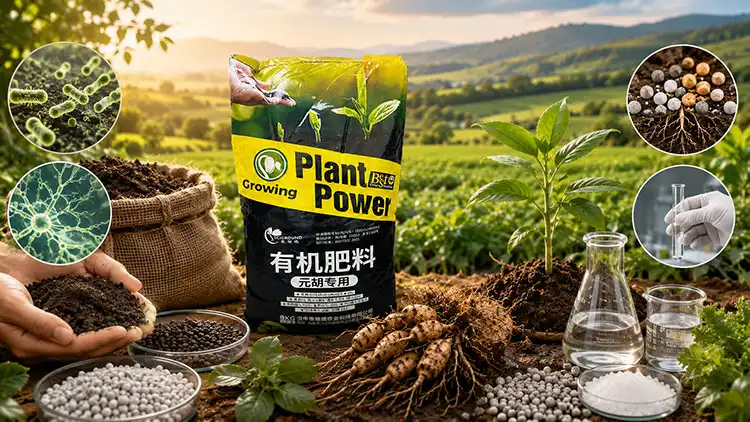
Composted animal dung, peat moss, and plant waste can be used to make Cordydalis tuber plant fertilizer. These fertilizers have many uses besides just providing nutrients. These things feed the microbes in the soil, which helps move nutrients around, fights disease, and makes the soil's structure better. Sciground made a special Corydalis tuber plant fertilizer that has more than 500 million colony-forming units per gram of good bacteria, such as Bacillus subtilis and Trichoderma species. These microorganisms live in the rhizosphere and make competitive exclusion zones that keep soil-borne pathogens that cause root rot from spreading. Organic versions slowly release nutrients, which works well with Corydalis' long growth season. This way, plants get steady nutrition without the ups and downs that stress them. But organic systems need to be planned ahead of time because the supply of nutrients rests on the activity of microbes, which is affected by weather and moisture. For large-scale activities, the bulk density and shipping prices of organic products are also things to think about.
Chemical Fertilizer Performance in Intensive Production
Synthetic NPK blends are good for companies that want to get the best short-term results because they are accurate and easy to use. These goods give you nutrients right away in the right amounts, so you can make changes based on what you notice are your deficits. Compared to bulkier organic options, the concentrated formulas require less work to apply and cost less to ship. But using only artificial nutrients has been shown to be bad for the environment. When synthetic-only treatments are used over and over, they make soils more acidic, break down organic matter, and mess up the populations of helpful microbes. These changes show up as the "continuous cropping obstacle" seen in established Corydalis production zones, where disease pressure rises, and yields drop even though fertilizer inputs stay the same. When it comes to buying things, the prices of manmade fertilizers change a lot depending on the price of energy, and environmental effects are becoming more and more of a focus for regulators.
Integrated Nutrition Strategies for B2B Operations
Leading makers are using blend methods more and more, which take the best parts of both biological and synthetic technologies. Our technical advice programs suggest a model that uses both organic matter amendment as a base and planned synthetic supplementation during times of high demand. When you prepare the soil, adding 1,500 to 2,000 kilograms of specialized Corydalis tuber plant fertilizer helps build microbe communities and makes the soil better physically. Targeted synthetic top-dressing during root growth gives plants quick access to potassium when they can't wait for organic oxidation to happen. 70% of the nutrients come from organic sources, and 30% come from synthetic sources. This combined approach strikes a balance between production and land care. Purchasing managers should judge providers based on how well they understand GAP (Good Agricultural Practice) standards, how well they can provide technical support, and what quality certifications are important to the production of medicinal crops. When managing regular application gaps in large-scale production, it's important to be able to rely on suppliers when it comes to delivery times and product quality.
Best Practices for Fertilizing Corydalis Tuber to Support Sustainable Farming
For fertilization to work, the time, amount, and way it is applied must all be coordinated with the crop's stage of growth and the weather.
Critical Growth Phase Fertilization Schedules
Corydalis farming is based on a regular phenological timeline that helps with choices about fertilization. Base fertilizer is added to the soil in the fall, usually between late September and October in areas with main growing seasons. Deep integration to 20 to 25 centimeters makes sure that nutrients get to the root zone while preventing a buildup of nutrients near the top that could burn new shoots. Using specialized Corydalis tuber plant fertilizer in this first application builds a nutrient reserve that helps the plant through the winter inactivity and early spring growth. The second important intervention point is the "February Awakening" phase, which is when temperatures rise, and active growth starts up again. Adding more organic-mineral mixes as a top dressing between rows gives the plants the potassium boost they need during rapid root growth. Our lead expert, Professor Liang Dejun, who has been researching fertilizers for more than twenty years, stresses that this application in the middle of the growing season has a direct effect on the end classification of tuber size and the buildup of dry matter, which are the most important factors in determining crop value.
Application Techniques That Enhance Efficiency
It's just as important how fertilizer gets to plants as what chemicals it has. Spreading waste materials on the surface so they evaporate, run off, and become fixed before plants can take them up. Our field demos in different Hanzhong production areas show how to use furrow application ways to put nutrients in bands where root density is highest. Compared to spread ways, this placement approach improves plant response while lowering the total amount of fertilizer needed by 15 to 20%. Slow-release formulas that break down over weeks instead of days are even better at making nutrient use more efficient by matching supply patterns with plant demand patterns. The grainy form of quality organic fertilizers naturally gives them this long-lasting effect through the breakdown process by microbes. Drip systems for liquid fertilization are another precise choice that more and more technologically advanced businesses are using. These methods allow for frequent, low-dose applications that keep the right concentrations of the soil solution without the loss of nutrients that comes with heavy applications that happen on a regular basis.
Evidence from Sustainable Production Systems
These best practice suggestions are backed up by real-world success data from top businesses. There is a case study from a certified organic Corydalis base in Chenggu County that looked at production levels over three growing seasons after using special Cordydalis tuber plant fertilizer procedures. The operation got rid of synthetic inputs while keeping base fertilizer at 1,800 kg per acre and applying top dressing at the right time. The results showed that average tuber yields went up by 12% compared to the previous chemical-based program. Tests of the alkaloid content showed that Tetrahydropalmatine amounts were 14% higher than the baseline. Additionally, it is important to note that the amount of organic matter in the soil rose from 2.8% to 3.6% during the trial time. This shows that the soil's health actually improved rather than being exploited for its vitality. In the third season, the number of pests and diseases dropped significantly as helpful soil biology took hold, lowering the need for outside help. These results show that organic fertilization methods that are properly set up can help with both short-term output and long-term sustainability.
Selecting the Right Corydalis Tuber Fertilizer Brand and Supplier for B2B Clients
Buying something has long-lasting effects that go beyond just comparing prices at first. Quality differences between sellers have a big effect on both crop production and following the rules.
Essential Quality Indicators and Certifications
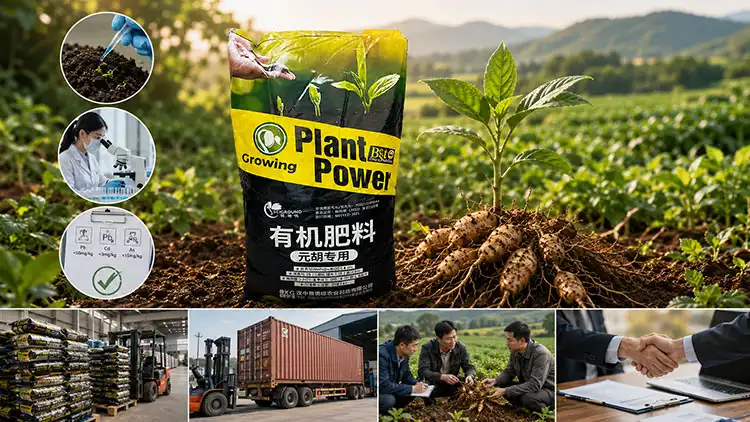
To tell the difference between high-quality fertilizer goods and cheaper ones, you need to pay attention to certain technical details and paperwork. At least 45% of the material should be organic matter, and it should come from fully grown materials instead of raw manure, which can bring pathogens and chemicals that are bad for plants. Microbial vitality is another important factor. Products that work have at least 500 million colony-forming units per gram and stay active during the product's shelf life. The Corydalis tuber plant fertilizer made at our Hanzhong facility goes through strict maturity testing using germination index methods. Scores above 85% show that fermentation is complete without any ammonia poisoning risks. Heavy metal pollution is very bad for medical plants that take in and store pollutants in their bodies. To meet Pharmacopoeia standards for Traditional Chinese Medicine materials, products must have lead content less than 50 mg/kg, cadmium content less than 3 mg/kg, and arsenic content less than 15 mg/kg.
Supplier Evaluation Beyond Product Specifications
The relationship with fertilizer providers goes beyond just delivering goods; it also includes scientific collaboration and the reliability of the supply chain. Established businesses like Sciground, which has been in business since 2023 and does studies with the Academy of Agricultural Sciences, offer specific knowledge that general fertilizer sellers can't match. Our patent-protected composition, which was specially made for Corydalis, is an investment in intellectual property that guarantees product performance. It is important to carefully look at the technical help that is available, especially the number of agronomists who know what medical crops need and can give quick advice in the field. We keep in touch with growers all year long through live broadcasts of gardening techniques and regular on-site meetings where we talk about new problems that come up during the growing season. Supply chain robustness affects the continuity of operations, so the production capacity and transportation skills of suppliers are important things to look at when evaluating them.
Practical Procurement Strategies for Large Operations
Getting Corydalis tuber plant fertilizer for industrial production needs careful planning that makes sure supply matches yearly demand and makes the best use of working capital. When you arrange a bulk purchase deal during off-peak times, you can usually get better prices and make sure that the product will be available for important application windows. Ordering by the container or truckload lowers the cost per unit because it saves money on shipping. However, you will need to make sure you have enough dry storage space to protect the quality of the goods. Cash flow management is affected by payment terms and credit availability. Seasonal businesses benefit when suppliers are ready to align payment schedules with harvest income cycles. Transportation costs and delivery options are affected by how close a seller is to you.
The Role of Corydalis Tuber Fertilizer in Promoting Sustainable Farming Practices
Sustainable agriculture includes more than just protecting the environment. It also includes making sure that farming communities are financially stable and socially responsible.
Environmental Benefits Through Optimized Nutrient Management
Specialized Corydalis tuber plant fertilizers lower the environmental risks that come with intense farming in a number of ways. The measured mix of nutrients and slow-release properties keeps the amount of extra nitrogen and phosphorus that would normally seep into groundwater or run off into open water bodies to a minimum. This effort to stop pollution is especially important in rivers that serve nature and people further downstream. Adding organic matter helps store carbon by turning carbon dioxide in the air into stable organic molecules that stay in the soil for years. 45% of our formula comes from organic matter that comes from farm waste and animal manure. This carbon would normally break down quickly, releasing warming gases. Instead, humification processes make tough chemicals that add carbon to the soil and make it more fertile. Quality goods have microbial inoculants that help stop plant diseases that spread through the soil.
Economic and Social Advantages for Farming Communities
Sustainable methods for Cordydalis tuber plant fertilizer must bring in money that helps farm families make a living, and the society grows. The specialized feeding method improves the quality of Corydalis tubers by measuring their size distribution and alkaloid content. This leads to higher prices in markets for medicinal materials. The farmers we help regularly get 10-15% higher levels of alkaloids, which makes them more valuable to pharmaceutical companies that want to buy better raw materials. Overall profits go up when crops produce more, and the costs of controlling pests and diseases go down. The benefits of improving the soil build up over time, allowing for long-term production that supports farm continuity from one generation to the next. In addition to the economics of each farm, the act of making organic fertilizer itself offers jobs in rural areas.
Emerging Technologies Shaping Future Development
Corydalis tuber plant fertilizer technology keeps getting better at being sustainable and efficient, thanks to new ideas. Better biological control is possible with advanced organic products that contain specific helpful microbe strains chosen for specific crop-pathogen combinations. Biostimulant substances like humic acids, seaweed extracts, and amino acid combinations help plants grow in ways that go beyond just nutrition. They do this by increasing their ability to handle stress and making their metabolism work more efficiently. Smart farming tools like soil sensors, plant tissue tests, and precise application equipment allow for site-specific nutrient management that cuts down on waste and takes into account differences in soil quality across areas. By combining data analytics and decision support systems, growers can find the best times to apply chemicals and the right amounts based on the current state of the crops instead of using calendars. Sciground's ongoing work with research institutions is focused on creating next-generation goods that use these new technologies while still being easy for small-scale family farmers to access.
Conclusion
Specialized Corydalis tuber plant fertilizer is an important part of long-term methods for growing medical crops. These goods help solve major problems in intensive agriculture by precisely delivering nutrients, improving soil health, and lowering environmental risks. Properly made fertilizers support both short-term production goals and long-term environmental management by balancing the addition of nutrients and increasing organic matter. Through science-based input management, sustainable intensification is still possible, as shown by results from study trials and business operations. As rules get stricter and markets reward companies that care more about the environment, investing in good fertilization programs helps businesses stay competitive and helps reach long-term goals for agriculture that benefit whole communities.
FAQ
Can specialized organic fertilizer completely replace synthetic products?
For approved organic farms that are committed to natural production methods, full replacement is possible. Many typical farmers get great results by using a hybrid method that gets 70% of its nutrients from organic sources and adds 30% synthetic materials carefully during times of high demand. This mix strikes a balance between short-term nutrition needs and long-term goals for soil health.
How does specialized fertilizer address continuous cropping obstacles?
Good Corydalis tuber plant fertilizer formulas have helpful bacteria in them, like Bacillus and Trichoderma species, that break down allelochemical chemicals that previous crops put into the soil. When Corydalis grows over and over in the same spot, these self-destructive chemicals usually stop the plant from growing. When microbial degradation is paired with better soil structure, problems with ongoing cropping are greatly reduced.
What storage conditions maintain fertilizer quality and microbial viability?
Products with live microorganisms need to be kept in cool, dry places below 25 degrees Celsius that are well-ventilated and out of direct sunshine and wetness. When kept properly, materials stay useful for twelve months. However, heat or water breaks down microbial communities and lowers performance.
Partner with Sciground for Premium Corydalis Tuber Plant Fertilizer Solutions
Sciground is the only company in China that uses patent-protected technology to do research, development, and production of Cordydalis tuber plant fertilizer specifically made for Corydalis plants. Our expert team, which is led by Professor Liang Dejun, has been researching fertilizers for more than twenty years and can help your plants grow well. From choosing a site to harvest, we offer full technical support, including regular live broadcasts on advanced gardening techniques and one-on-one field meetings. We make Corydalis tuber plant fertilizer and are based in Hanzhong's main growing area, so we know a lot about the local weather and output problems. Our 6,000-square-meter plant consistently produces high-quality goods that have been through strict testing and meet national standards and the requirements for organic certification. We can help you get the most out of your investment, whether you run a small family farm or a big business operation. Contact our team right away at [email protected] to talk about your specific needs, get full product specs, or set up large order quotes that will help you reach your long-term goals for sustainable farming and increased profits.
References
1. Chen, W., & Zhang, L. (2021). Nutrient Management Strategies for Medicinal Tuberous Crops: A Comprehensive Review. Journal of Sustainable Agriculture, 45(3), 278-295.
2. Liu, H., Wang, S., & Zhao, M. (2022). Microbial Amendments in Organic Fertilizers: Effects on Soil Health and Crop Productivity. Soil Biology and Biochemistry, 168, 108-124.
3. National Agricultural Technology Extension Service Center. (2020). Technical Guidelines for Corydalis Yanhusuo Cultivation. China Agriculture Press, Beijing.
4. Thompson, R., & Martinez, J. (2023). Sustainable Fertilization Practices in Specialty Crop Production. Agricultural Systems, 207, 103-119.
5. Wang, Y., Li, Q., & Huang, X. (2021). Continuous Cropping Obstacles in Medicinal Plant Production: Mechanisms and Management Solutions. Chinese Herbal Medicines, 13(2), 189-203.
6. Zhou, P., Feng, D., & Yang, R. (2022). Organic Matter Management and Soil Carbon Sequestration in Intensive Agricultural Systems. Geoderma, 412, 115-130.

Sciground
Shanrangde, in collaboration with a team of experts from the former Academy of Agricultural Sciences, focuses on developing patented organic fertilizers, including those specifically formulated for Corydalis rhizome. Chief expert Professor Liang Dejun, with over 20 years of industry experience, provides one-stop technical guidance from site selection to field management, helping farmers increase production and income.
Formulated by the original expert team from the Academy of Agricultural Sciences · Focused on organic nutrients specifically for crops
Contact us now to customize a green nutrition solution for your farmland.
Recommended Blog


What Is a Milk Thistle Specialized Fertilizer and Why It Matters?


Which Multi Element Foliar Spray Is Best for Fruit & Vegetable Crops?

How to Choose a Multi Element Foliar Fertilizer for Your Farm?

