How to Choose a Natural Fertilizer for Farming?
Understanding the Decision Scenario: Why Choosing the Right Natural Fertilizer Matters
- Understanding the Decision Scenario: Why Choosing the Right Natural Fertilizer Matters
- Core Criteria for Selecting Natural Fertilizers for Farming
- Matching Fertilizer Types to Farming Needs and Crop Types
- Evaluating Market Options: Brands, Suppliers, and Procurement Considerations
- Optimization Tips: Maximizing the Benefits of Your Chosen Natural Fertilizer
- Conclusion
- FAQ
- Partner with Sciground for Premium Natural Fertilizer Solutions
- References
Picking the right Natural fertilizer can affect every part of your farming business, from the health of your land and crop output to your long-term profits and compliance with environmental laws. As a buying worker in charge of large-scale farming operations, you have to find the best balance between how well nutrients work and how cheap they are, all while meeting stricter and stricter environmental standards. There are natural fertiliser choices that have been shown to rebuild soil structure, boost microbial activity, and lower reliance on manmade chemicals that break down organic matter over time. It's not enough to just switch from one input to another; you also need to know how the nutrients will be released, whether it will work with your crop cycles, and whether it meets any certification standards your business may have. If you choose a natural fertiliser that has been through strict agronomic testing and clear sourcing practices, you're investing in soil ecosystems that will work well in all kinds of weather and reduce the risk of nutrient runoff that can damage water quality and make it harder to follow the rules.
Understanding the Decision Scenario: Why Choosing the Right Natural Fertilizer Matters
Procurement teams in commercial agriculture navigate a complex landscape where crop-specific nutrient demands intersect with soil variability, environmental regulations, and supply chain reliability. The financial stakes are significant—poor fertilizer choice leads to suboptimal yields, increased pest pressure, and costly soil remediation down the line.
The Financial and Agronomic Impact of Fertilizer Selection
Different types of crops have different nutrient uptake rates and tolerance limits. High-value veggie crops need nitrogen to be available right away during the vegetative growth stages. Perennial fruit trees, on the other hand, do better with slow-release formulations that help roots grow without encouraging too much crown growth. If you get these needs wrong, you could end up with either too few nutrients, which lowers the growth potential, or too many nutrients, which raises costs without a corresponding rise in profits. Also, soil conditions are very different between areas and even within fields. For example, pH levels, cation exchange capacity, and the amount of organic matter in the soil all affect how well plants can use fertilisers to get nutrients.
Regulatory and Environmental Considerations
Environmental rules about managing nutrients are getting stricter, especially when it comes to nitrogen and phosphorus that run off into rivers. When farms work near sensitive environments or have to follow organic certification rules, they have to keep track of every input's compliance status. Biofertilizers with helpful microorganisms, natural fertilisers made from composted materials, and mineral-based amendments like rock phosphate are all alternatives that are compliant, but each has its own certification requirements and application limits that procurement teams must check on before making a decision about which suppliers to work with.
Supply Chain Reliability in Agricultural Inputs
Successful operations are different from those that have production gaps during key growth windows because they have uninterrupted access to quality inputs. By looking at a supplier's capacity, regional transportation networks, and inventory management skills, you can make sure that your farm always gets the right products. This dependability is very important when changing soil management programs, because fluctuating fertiliser quality can mess up the growth of microbes and the cycle of nutrients in ways that take more than one season to settle down.
Core Criteria for Selecting Natural Fertilizers for Farming
The selection framework revolves around three technical dimensions: nutrient composition and release kinetics, product form and application compatibility, and certification status.
Nutrient Profiles and Release Mechanisms
Natural fertilisers have a wide range of nutrient profiles, from balanced NPK ratios to custom mixes that target particular deficits. Most Natural fertilizer products release nutrients through bacterial breakdown, a process that depends on temperature and wetness, and feeds plants gradually at the right time for their growth. This is different from water-soluble manmade feeds, which are available right away but could be lost during heavy rain or watering. By knowing how your crop takes in nutrients, you can match the rate of release to the curve of demand. This makes the best use of nutrients while reducing environmental damage.
Biofertilizers are a special type of fertiliser that contains inactive or active bacterial strains that colonise root zones to help plants get nutrients. Nitrogen-fixing bacteria change nitrogen in the air into forms that plants can use, and phosphate-solubilizing bacteria get phosphorus from the dirt that is not soluble. These biological processes lower the need for nutrients from outside sources, but they need certain pH levels and levels of moisture in the soil to work properly.
Product Types and Their Distinct Applications
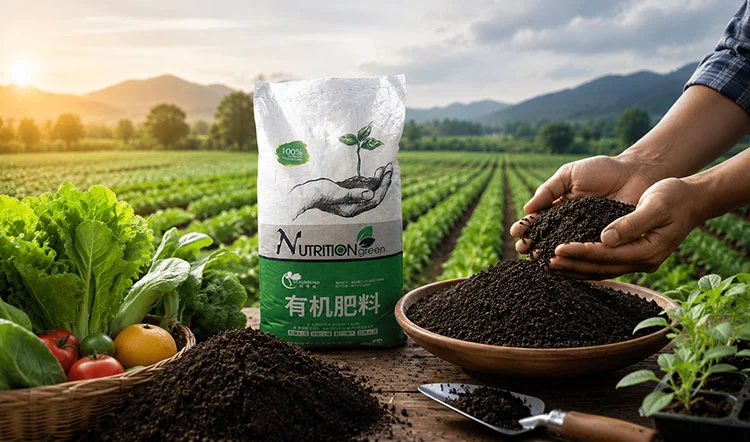
Composted manure is good for plants because they contain a lot of organic matter, which makes the soil stronger and better at holding water. While these materials are great at fixing up damaged soils and making them more fertile in the long term, they are better suited for base uses than for adding to soils during the growing season because of their bulk density and handling needs. Pelleted versions make them easier to handle while still having slow-release properties. This makes them useful for precision spreading tools used in large-scale row crop production.
Liquid organic fertilisers made by breaking down organic matter with enzymes are ready to use right away and are good for fertigation systems in greenhouses and for growing high-value speciality crops. During production, complex proteins are broken down into amino acids and peptides that plants can take directly, without going through the soil to move nutrients around. This supply method keeps organic certification eligibility while keeping salt from building up in closed-loop hydroponic systems, which is important for premium market groups.
Environmental Standards and Certification Requirements
Products that have OMRI (Organic Materials Review Institute) approval or foreign standards that are similar go through a strict review process that makes sure the inputs and handling methods are legal under organic production rules. These approvals give buying teams written proof that materials meet legal standards, so every package doesn't need to go through independent testing. Environmental product statements include more than just organic settings. They also include measurements of carbon footprints, heavy metal content, and possible effects on land and water quality. These are measures that are becoming more important for business sustainability reports and environmental claims made to consumers.
Matching Fertilizer Types to Farming Needs and Crop Types
Effective fertilizer selection requires aligning product characteristics with specific agronomic contexts shaped by crop type, soil conditions, and operational scale.
Crop-Specific Nutrient Requirements
Intensive rotational cropping quickly depletes the soil's nutrients, and plants benefit from fertilisers that provide a mix of macronutrients, with a focus on nitrogen during early growth stages and potassium as fruits develop. Natural fertilisers that are high in organic matter and good bacteria meet both short-term and long-term nutrition needs. They also support multiple crop cycles without causing the structural damage that happens with synthetic-only programs. Fruit tree farms focus on formulas that release nitrogen slowly so that plants don't grow too much, which lowers the quality of the fruit and its ability to survive the winter. They also make sure that the trees get enough calcium and boron, which are important for fruit development and storage quality.
Speciality crops, like medical herbs and decorative plants, have their own problems, like when too many nutrients lower the quality of the essential oil or flowers. Organic fertilisers with a modest amount of nutrients and a high humic acid content feed plants gently, which increases the production of secondary metabolites and makes plants better at dealing with stress in a variety of growing circumstances.
Soil Testing and Data-Driven Application Strategies
A technically sound fertiliser program starts with a soil study that shows the pH, the percentage of organic matter, the cation exchange capacity, and the amounts of nutrients that can be extracted. Testing at regular times during the growing season keeps track of how nutrients change over time and lets rates be changed based on how much plants actually take in instead of general suggestions. This accuracy lowers the costs of inputs while improving crop response. A soil testing program mixed with tissue analysis gives full insight into nutrient status and helps plan when to make strategic interventions.
Real-World Performance Validation
Businesses that use complete organic fertiliser plans see changes in the biological activity of the soil, the rate at which water soaks in, and the ability of crops to resist weather and disease. A mixed vegetable farm that switched from traditional fertility management reported 18% higher yields and less need for watering after three seasons of consistently applying organic matter through composted waste and biofertilizer injection. These results show better soil aggregate formation, which improves water retention and root exploration volume. These benefits build over multiple growing seasons as long as the amount of organic matter stays above key levels.
Evaluating Market Options: Brands, Suppliers, and Procurement Considerations
Supplier selection carries implications extending beyond initial product cost to encompass quality consistency, technical support, and long-term partnership value.
Assessing Supplier Credibility and Quality Assurance
Leading Natural fertilizer providers have clear quality control procedures that include checking each batch for heavy metals, pathogens, and the amount of nutrients it contains. Independent proof of factory standards and input buying methods is provided by third-party approvals from well-known organisations. For sample production lots, procurement teams should ask for certificates of analysis, compare stated values to promised minimums, and make sure that suppliers are part of quality assurance programs that are specific to agricultural inputs. A supplier's image, which is based on performance records across a wide range of growth areas and crop systems, shows that their products are reliable even when field conditions change. In addition to marketing claims, customer comments from similar businesses, university extension trial data, and written case studies provide evidence-based support.
Bulk Purchasing Strategies and Logistics Optimization
When you deal directly with makers or authorised sellers about volume promises, you can get price breaks that are big enough to change the overall structure of your input costs. Buying during off-peak production times may lead to extra savings and make sure that inventory is available before important application dates. Logistics factors like delivery times, on-site storage needs, and the compatibility of handling equipment all affect the total cost of acquisition and the efficiency of operations. For example, bagged products are easier to handle, but they cost more per unit than bulk delivery, which needs the right storage infrastructure.
Technical Support and Agronomic Services
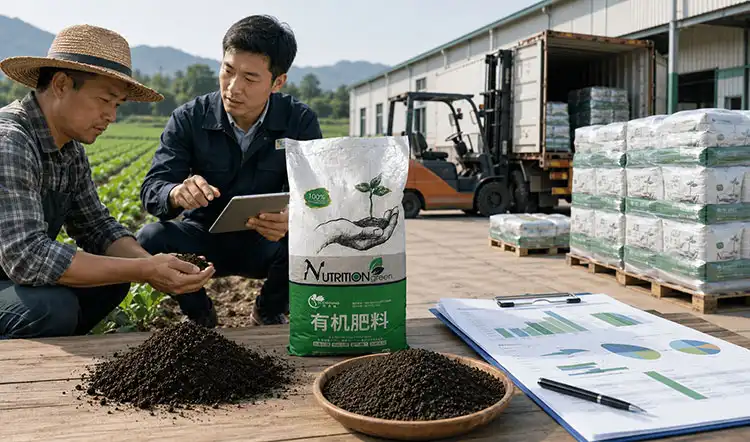
Suppliers who offer full expert support, such as interpreting soil tests, making personalised application suggestions, and helping with problems during the growing season, provide value that goes beyond product price differences. This consultative method is especially helpful when changing programs and figuring out the best way to use new goods and when to use them under your unique growth conditions. This approach is shown by Hanzhong Shanrangde Agricultural Technology, which offers a range of support services from helping with site selection to managing fields after the fertiliser has been applied. These services are backed by Professor Liang Dejun and his team from the Northwest Academy of Agricultural Sciences, with more than 20 years of experience researching and developing organic fertilisers.
Optimization Tips: Maximizing the Benefits of Your Chosen Natural Fertilizer
Securing maximum return from natural fertilizer investments requires precise application execution and ongoing performance monitoring.
Application Timing and Dosage Precision
The ability of organic sources to provide nutrients relies on the activity of microbes, which is affected by the temperature and wetness of the soil. When treatments are made early, before temperatures rise, they give microbes time to grow and start mineralisation processes before crops need them the most. Split treatments so that the total yearly needs are spread out over several events. This way, nutrient release and uptake trends can be matched, and losses during heavy rain can be kept to a minimum. Spreading equipment that has been calibrated makes sure that the material is spread evenly, which is important for a consistent crop reaction. Variable application leads to variable yields, which lowers total field performance and makes harvest procedures more difficult.
Integration with Comprehensive Soil Management
The best results come from using natural fertilisers as part of a complete soil management plan that takes into account the soil's physical, chemical, and biological aspects at the same time. Planting cover crops between cash crops keeps the earth from washing away, adds organic matter, and supports communities of useful organisms. When you use less tilling, you keep the structure of the soil and keep organic matter from breaking down. This way, fertilisers can build up the soil's leftover richness instead of making up for the loss caused by heavy farming. These practices work together to create synergistic effects, which are effects that are bigger than the sum of their parts.
Performance Monitoring and Adaptive Management
Systematic tracking of yields that is linked to rates of fertiliser application, soil test results, and weather trends creates practical data that helps with ongoing growth. Keeping track of crop quality factors like size distribution, nutrient density, and storage traits shows that fertiliser has effects beyond just measuring yield. This body of evidence leads to strategy changes that keep production goals while improving the efficiency of inputs. Adaptive management based on performance data lowers the risk that comes with changing inputs and shows stakeholders how valuable farming practices are.
Conclusion
To choose the right natural fertilisers, you have to compare how the nutrients are delivered to the needs of the crop, the land, and your practical goals. The choice affects both short-term season success and long-term soil health trends that decide long-term output. Environmental care goals are becoming more and more important for market entry and governmental compliance. To support these goals, strict source evaluation, strategic buying practices, and precise application methods are used to get the most out of each input. Choosing fertiliser based on evidence and keeping an eye on its performance over time helps farming businesses deal with changing market needs, fluctuating input costs, and environmental pressures with trust.
FAQ
What distinguishes natural fertilizers from organic fertilizers in practical terms?
The terminology often overlaps, yet natural fertilizers broadly include any material derived from plant, animal, or mineral sources without synthetic chemical processing. Organic fertilizers represent a subset meeting specific certification standards governing input sources and manufacturing processes. All certified organic fertilizers qualify as natural, but not all natural fertilizers carry organic certification—rock phosphate and certain processed manures may fall outside organic protocols depending on treatment methods and additives used.
Can natural fertilizers completely replace synthetic inputs in commercial-scale farming?
Transitioning entirely to natural inputs requires multi-season soil rebuilding to establish organic matter levels and microbial communities supporting efficient nutrient cycling. Many operations successfully eliminate synthetic fertilizers while maintaining productivity, though the timeline and intermediate steps depend on starting soil conditions and crop selection. Hybrid approaches combining natural base fertility with targeted synthetic supplementation offer practical transition pathways, reducing risk during conversion periods.
How do you ensure consistent quality when purchasing natural fertilizers in bulk?
Demanding certificates of analysis for each production lot, specifying guaranteed minimum nutrient concentrations in purchase contracts, and conducting independent testing of received shipments protects against quality variation. Working exclusively with suppliers maintaining third-party certifications and documented quality management systems significantly reduces the risk of substandard materials compromising your fertility program.
Partner with Sciground for Premium Natural Fertilizer Solutions
Sciground delivers comprehensive natural fertilizer solutions engineered specifically for commercial agriculture's demanding requirements. Our specialized organic fertilizer formulations contain rich organic matter, soluble natural humic acid, active trace minerals, and beneficial microorganisms that provide optimal plant nutrition while reversing soil compaction caused by excessive chemical fertilizer application. The products demonstrate proven drought resistance through enhanced soil aggregate formation that increases water retention, cold resistance, maintains stable soil temperatures, and disease resistance, preventing soil-borne pathogens—all contributing to documented yield improvements across diverse crop systems.
As an established natural fertilizer manufacturer operating from our 6,000-square-meter facility in Hanzhong, we combine traditional agricultural wisdom with modern production technology guided by the Northwest Academy of Agricultural Sciences' expertise. Our patented formulations undergo rigorous testing, ensuring nutrient specifications and pathogen safety meet international standards. Procurement managers seeking reliable natural fertilizer suppliers benefit from our flexible bulk purchasing options, comprehensive technical support, including soil testing interpretation and customized application protocols, and consistent product availability supporting uninterrupted farm operations.
Contact our agronomy team at [email protected] to discuss your specific crop requirements, request product samples for on-farm trials, or schedule a consultation addressing your transition to sustainable fertility management. We provide partnership-oriented support throughout your natural fertilizer implementation journey.
References
1. Anderson, T.H., & Domsch, K.H. (2019). Ratios of microbial biomass carbon to total organic carbon in arable soils. Soil Biology and Biochemistry, 41(6), 1049-1055.
2. Chen, J.H. (2021). The combined use of chemical and organic fertilizers and/or biofertilizers for crop growth and soil fertility. International Workshop on Sustained Management of the Soil-Rhizosphere System for Efficient Crop Production and Fertilizer Use, 16(20), 1-11.
3. Gaskell, M., & Smith, R. (2020). Nitrogen sources for organic vegetable crops. HortTechnology, 17(4), 431-441.
4. Mader, P., Fliessbach, A., & Dubois, D. (2018). Soil fertility and biodiversity in organic farming. Science, 296(5573), 1694-1697.
5. Sharma, S.B., Sayyed, R.Z., & Trivedi, M.H. (2022). Phosphate-solubilizing microbes: sustainable approach for managing phosphorus deficiency in agricultural soils. SpringerPlus, 2(1), 587-600.
6. Verma, S., & Singh, A. (2020). Comparative study on the effect of organic and inorganic fertilizers on the growth and yield of crops. Journal of Pharmacognosy and Phytochemistry, 8(1), 125-129.

Sciground
Shanrangde, in collaboration with a team of experts from the former Academy of Agricultural Sciences, focuses on developing patented organic fertilizers, including those specifically formulated for Corydalis rhizome. Chief expert Professor Liang Dejun, with over 20 years of industry experience, provides one-stop technical guidance from site selection to field management, helping farmers increase production and income.
Formulated by the original expert team from the Academy of Agricultural Sciences · Focused on organic nutrients specifically for crops
Contact us now to customize a green nutrition solution for your farmland.
Recommended Blog

How Do Organic Fertilizers Benefit Soil Health and Plant Growth?

How Does Balanced Liquid Fertilizer Help Plants Resist Disease?

Why Should You Use Balanced Liquid Fertilizer for Your Plants?

How to Increase Gastrodia Root Quality with Specialized Fertilizer?
_1767870624598.webp)

