Why Are Trusted Organic Fertilizer Suppliers in High Demand?
Understanding the Rising Demand for Trusted Organic Fertilizer Suppliers
- Understanding the Rising Demand for Trusted Organic Fertilizer Suppliers
- Key Criteria for Choosing a Trusted Organic Fertilizer Supplier
- The Advantages of Partnering with Certified and Leading Organic Fertilizer Suppliers
- Environmental and Economic Benefits of Using Organic Fertilizers from Trusted Suppliers
- How to Find and Engage Reliable Organic Fertilizer Suppliers Globally
- Conclusion
- FAQ
- Partner with Sciground: Your Trusted Organic Fertilizer Supplier and Manufacturer
- References
There is a huge shift happening in agriculture toward more environmentally friendly methods. At the center of this change is a very important need: relationships with dependable Organic fertilizer suppliers. Reliability of their fertilizer sources is now a must for farmers, ranchers, and agricultural traders as they deal with stricter environmental rules and growing customer demand for organic food. An Organic fertilizer supplier that offers consistent quality, clear licenses, and technical support does more than just sell goods; they also protect entire businesses from legal risks, crop failures, and problems in the supply chain. This increased need for reliable suppliers comes from the fact that organic fertilizers work very differently from synthetics, necessitating more knowledge and tighter quality controls to achieve the desired results in soil health and crop growth.
Understanding the Rising Demand for Trusted Organic Fertilizer Suppliers
The market for organic fertilizer is growing quickly because of several factors coming together. Synthetic nitrogen runoff is now heavily regulated around the world, which forces large-scale businesses to switch to organic options. In the past few years, the U.S. organic food market alone has made more than $60 billion in sales. This puts a lot of pressure on farmers to get approved organic inputs. At the same time, worries about soil degradation have hit a critical level. The UN says that one-third of the world's topsoil has been lost in the last 40 years, making adding organic matter to the soil an important priority for renewal.
The Sustainability Imperative
Sustainability isn't just a marketing term anymore; it's a basic requirement for doing business. Organic fertilizers fix a lot of problems in the world at once. Synthetic N-P-K mixes send soluble salts straight to plant roots, but organic fertilizers feed the bacteria in the soil. This organic method improves the structure of the soil, raises its cation exchange capacity, and stops the land from becoming acidic and salty, which are problems that happen on land that is normally farmed. The microbial oxidation process slowly releases nutrients, which lowers the risk of leaching into groundwater and eutrophication in nearby streams.
Regulatory and Market Pressures
To get USDA Organic, EU Bio, or JAS approval, you have to show proof that you used allowed organic inputs throughout the whole production process. One batch of manure that doesn't follow the rules can cause a farm to lose all of its certification, which can cost a lot of money. Because of these rules, provider trust is very important. To meet the needs of auditors, an Organic fertilizer supplier must not only offer goods but also full paperwork, records of batch testing, and heavy metal analysis. Dealers and people who work in buying know that their image depends on how consistent and honest their provider is.
Risks of Unreliable Suppliers
Suppliers who can't be trusted cause problems all over farming businesses. Inconsistent organic matter content throws off plans for managing nutrients, so growers have to change the rates at which nutrients are applied in the middle of the season. Pathogens can be introduced by waste that hasn't been treated properly. E. coli or Salmonella into food chains, which leads to bans and problems with who is responsible. If deliveries are late during important planting times, growth seasons may be missed. The most harmful thing is that not having the right certification paperwork can make organic status useless after the fact, wiping out years of change investments.
Key Criteria for Choosing a Trusted Organic Fertilizer Supplier
To find the best Organic fertilizer supplier, you need to carefully consider a lot of factors. Purchasing teams can't just make choices based on price; the hidden costs of buying bad goods are much higher than any savings they might have at first.
Product Quality and Transparency
Quality starts with being clear about the ingredients. Suppliers you can trust give you thorough information about the product, such as the amount of organic matter (usually ≥45% by weight), the C: N ratio (ideally 15:1 to 20:1 for proper mineralization), the NPK content, and the secondary macronutrient profiles. Physical features are very important. For example, the consistency of granule size affects the tuning of a spreader, and a moisture content below 20% stops microbes from reactivating during storage, which would otherwise cause caking and nutrient loss. A heavy metal maximum of 15 mg/kg for arsenic, 3 mg/kg for cadmium, 50 mg/kg for lead, 150 mg/kg for chromium, and 2 mg/kg for mercury must be met. Pathogen testing should show that fecal coliforms are less than 1000 MPN/g and that 25g samples do not contain Salmonella.
Certifications and Compliance
Certifications from a third party are necessary for proof. Getting USDA Organic approval means that you meet the standards of the National Organic Program. Products with an OMRI (Organic Materials Review Institute) title have been checked out by a third party to make sure they can be used in organic farming. A lot of sellers also keep their ISO quality management certifications up to date and take part in heavy metal testing programs that aren't required. If an Organic fertilizer supplier can fully track their products from where the raw materials come from to how they are processed and packaged, that shows a commitment to quality that goes above and beyond what is required by law.
Pricing, Terms, and Responsiveness
It's important to look at competitive prices in the right perspective. Tiered discounts are often available for bulk sales, but the minimum order numbers need to match the amount of space available and the rate of use. Different providers have different payment terms. Some offer net-30 or net-60 terms to long-term users, while others require deposits on large custom formulations. Service quality in the future is often predicted by how quickly suppliers are during the review phase. A partnership-oriented approach is shown by answering technical questions quickly, being ready to provide samples, and being able to change blends to fit different soil conditions.
Client Feedback and Track Record
As part of due research, you should check references with present customers who have worked with you in similar production situations. Farmers who work in open fields have different needs than farmers who work in greenhouses, and turf workers have different needs than veggie growers. If the Organic fertilizer supplier has a history of success with crops like yours, they can give you very useful information about how to use their products. Statistics on delivery reliability, how complaints are handled, and guarantee policies show how providers deal with problems that are bound to happen.
The Advantages of Partnering with Certified and Leading Organic Fertilizer Suppliers
Building ties with certified sellers gives your business many benefits that go beyond just getting products to you.
Consistent, High-Quality Formulations
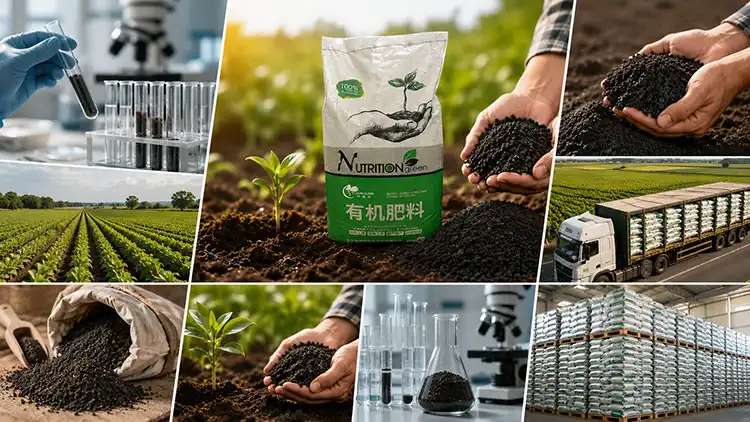
Leading providers keep a close eye on quality throughout the whole production process. Upon arrival, raw materials are inspected to check their organic makeup and disease loads. Conditions of processing, especially temperature changes during composting, are constantly watched to make sure they are sterilized correctly while protecting helpful microbe populations. Finished goods are tested in batches before they are sent out, and records of analysis are sent with every package. This consistency lets growers make reliable treatment plans without having to make changes all the time to account for differences in the products.
Technical Expertise and Application Support
Suppliers with a lot of experience act as information partners. Based on the results of soil tests, they can suggest the best rates for applications, offer time plans that work with the growing seasons of crops, and fix issues like nutrients getting stuck in high-carbon materials. Some companies make special mixes for tough conditions, like saline-alkali soil repair blends with a lot of humic acid, liquid enzymatic hydrolysates for fertigation systems, or slow-release pellets made for places with a lot of foot traffic. This knowledge comes in very handy when switching from synthetic to biological systems, since soil biology needs two to three years to fully grow.
Customization and Logistics Flexibility
A lot of the time, buyers who buy in bulk need unique blends that fix specific problems found in the soil study. If an Organic fertilizer supplier has their own formulation lab, it can change the NPK ratios, add specific micronutrients like zinc or boron, or add bio-stimulants like seaweed extracts. Logistics flexibility is very important because different types of shipments—container loads for foreign buyers, truck loads for regional distribution centers, and pallet orders for individual farms—need different ways to be handled. Options for warehousing, seasonal stocking programs, and just-in-time shipping help buyers make good use of their operating capital.
Validated Results and Customer Success
Reliable sellers keep records of how well their goods work by testing them in the field and getting feedback from customers. Measurements of increased soil organic matter, crop quality, and yield gain give evidence-based trust. Some sellers work with university research programs or private agronomists to back up their claims with studies that have been reviewed by other experts in the field. These success stories help buyers explain why they should use organic fertilizer to people who are worried about the costs and yield risks of the changeover time.
Environmental and Economic Benefits of Using Organic Fertilizers from Trusted Suppliers
Organic fertilizers are better for the environment and the economy, especially when they come from reputable companies that make sure the formulas work as well as possible.
Environmental Stewardship
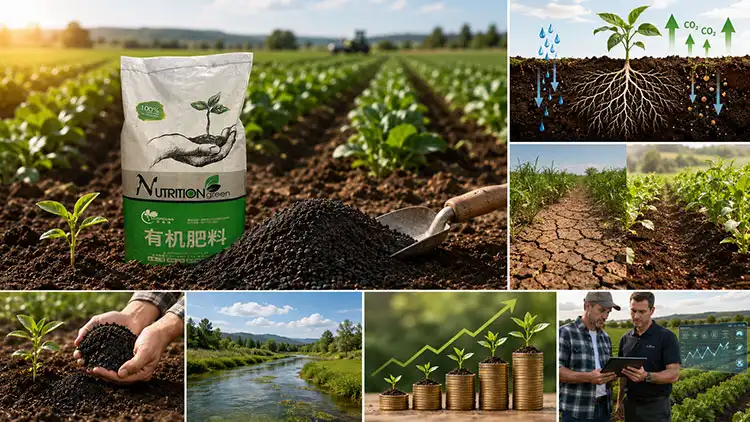
Organic fertilizers cut down on pollution in farming by a huge amount. Nitrate leaching pollutes groundwater and creates dead zones in coastal ecosystems. Slow-release nutrient dynamics stop this from happening. More organic matter in the soil makes it easier for water to soak in and stay put, which cuts down on watering needs by up to 20% and stops soil loss. Pathogenic fungi and bacteria are naturally slowed down when soil microbiomes are restored. This makes pesticide use less necessary. Carbon storage in remade soil organic matter helps slow down climate change, and some figures say that regenerative organic practices can offset a lot of greenhouse gas emissions from farming.
Long-Term Economic Returns
Organic fertilizers usually cost more per ton than manufactured ones, but they are more likely to be profitable in the long run. Better soil structure helps roots grow and makes better use of nutrients, so plants get more of the inputs that were used. As the land becomes more fertile, less reliance on synthetics lowers unpredictable costs over time. Certified organic goods often fetch higher prices than the extra costs of production. For example, organic corn usually gets 50–100% higher prices than conventional crops. The benefits of a good brand image go beyond individual purchases. They can help you get into niche markets and direct-to-consumer outlets that value commitments to sustainability.
Application Optimization
Trusted sellers give advice that helps investors get the most out of their investments. By keeping things dry, out of direct sunlight, and used within the time frames suggested, the right way to store them stops nutrients from breaking down. Application technique helps make sure that the product is spread out evenly and is mixed in at the right level. Timing methods line up the release of nutrients with the demand curves of crops, which cuts down on waste. Some sellers offer agronomic advising services, partnerships for soil testing, or digital tools that help buyers keep track of past applications and make better choices in the future based on reaction data.
How to Find and Engage Reliable Organic Fertilizer Suppliers Globally
To build a strong network of suppliers, you need to do smart research, careful evaluation, and relationship building.
Discovery and Vetting Channels
There are many ways to get to approved providers. Trade shows in the industry, such as the Commodity Classic, the National Farm Machinery Show, or area organic farming conferences, let people meet and see products in person. Professional groups like the Organic Trade Association keep lists of suppliers whose members have already been checked out. Online B2B platforms let you look for products all over the world and narrow your results by certification, product type, and minimum order amounts. A lot of the time, university research programs and agricultural education services keep lists of suppliers that are allowed for organic production systems. Peer suggestions from other farmers or trade networks are very reliable because they are based on real-life experience.
Local Versus International Sourcing
Many choices come up when you think about geography. Local providers usually offer faster service, lower shipping costs, and better ways to talk about problems and find solutions. Long-distance shipping leaves bigger carbon footprints than local production. International producers may have access to specialized raw materials that aren't available in the United States, like certain types of seaweed, mineral reserves, or plant residues from tropical plants that have special qualities. For big buyers, container-load economics can help cover shipping costs, but wait times are much longer. An Organic fertilizer supplier that stores foreign goods in the United States can fill in these gaps, offering a wide range of products from around the world with ease of access in the United States.
Building Strategic Partnerships
Relationships that start as transactions can turn into partnerships with careful management. Clear contracts spell out what is expected in terms of quality standards, delivery times, price, and how to settle disagreements. Clear lines of contact, like designated account managers, technical help hotlines, and regular business reviews, make sure that everyone stays on the same page about what's important. Flexible payment plans, rewards for volume commitment, and working together on forecasts all help sellers run their businesses more efficiently while also getting buyers better terms. Long-term relationships let suppliers spend on customizing their products and placing their stock in ways that are good for both parties.
Continuous Evaluation and Adaptation
It's important to keep evaluating even long-term ties with suppliers. Regular quality checks make sure that standards are still being followed. Performance measures that keep track of shipping times, order accuracy, and responsiveness help find problems before they get too bad. Collecting market data makes sure that prices stay competitive as the business changes. Whenever there are changes to the rules, like new licensing requirements, updated heavy metal limits, or updated disease standards, suppliers need to be checked out ahead of time. Maintaining ties with backup suppliers protects against delays and puts pressure on major suppliers to keep up their high standards through competition.
Conclusion
The huge increase in people looking for reliable Organic fertilizer suppliers shows how farming is changing to more sustainable and self-regenerating methods. Farmers, ranchers, dealers, and procurement professionals all know that choosing a provider is a strategic choice that can have big effects on operating success, following the rules, caring for the environment, and making money in the long run. Certified suppliers who offer clear quality paperwork, technical support, and dependable transportation do more than just sell goods; they also help businesses create models that adapt to changing market needs and rules. As people learn more about soil health and the organic market premium stays high, working with trusted suppliers will make a bigger difference between farming businesses that are doing well and those that are having a hard time because they tried to save money in the short term. Putting time and effort into researching suppliers and building relationships with them pays off in terms of business stability, crop success, and market access.
FAQ
What certifications should I verify when selecting an organic fertilizer supplier?
Some of the most important certifications are ISO quality management standards, USDA Organic for U.S. activities, and OMRI listing for organic farming compliance. Ask for proof that tests for heavy metals like arsenic, cadmium, lead, chromium, and mercury showed amounts that were below the standards set by the government. It is important to have pathogen screening results that show Salmonella is not present and that there are few fecal coliforms. Dates on which certificates are good and how often they are tested show how diligent the supplier is; yearly audits by a third party show more commitment than self-certification.
How do organic fertilizers improve soil health compared to synthetic options?
Organic fertilizers fix the structure of the soil by adding humus, which makes it more porous, holds more water, and can swap cations. They feed good bacteria that kill pathogens, release nutrients like phosphorus that are stuck in cells, and make natural growth hormones. The slow-release nutrient dynamics fit the way plants take them in, which lowers leaching and stops the buildup of salt and acidity that happens with manmade formulations. When organic matter builds up over several seasons, it makes the soil more fertile in ways that manufactured treatments can't.
What minimum order quantities should I expect from commercial organic fertilizer suppliers?
Order minimums depend a lot on the size of the seller and how the goods are distributed. Regional providers can usually handle pallet numbers (1-2 tons) for single farms. For better prices, mid-sized wholesalers usually need truckload minimums (20–25 tons). For foreign sourcing or dealer distribution networks, container-load amounts (20 to 25 metric tons) become important. Custom formulation services usually need higher minimums to support setting up production. Talking about your exact volume needs early on in the seller selection process helps find the right partners.
Partner with Sciground: Your Trusted Organic Fertilizer Supplier and Manufacturer
Sciground has specialized organic fertilizer solutions backed by thorough research and proven field results that can help you make the switch to sustainable farming. We were started by a group of scientists from the Northwest Academy of Agricultural Sciences led by Professor Liang Dejun, who has more than 20 years of experience making organic fertilizers. Our team combines science knowledge with real-world farming experience. Our unique formulas for specialty crops like Corydalis yanhusuo, fruit trees, and medicinal plants show that we are dedicated to coming up with new ideas that go beyond generic goods. We offer full technical support from tilling the soil to harvesting, including live broadcasts on how to grow crops and monthly training classes for farmers on-site. Our factory has strict quality controls that make sure all of the goods meet national standards and come with full testing records. Email us at [email protected] to talk about your unique needs and find out how our services as a certified Organic fertilizer supplier can improve the health of your soil, the quality of your crops, and the long-term viability of your business.
References
1. Bai, Z., Ma, L., Jin, S., Ma, W., Velthof, G. L., Oenema, O., ... & Zhang, F. (2016). Nitrogen, phosphorus, and potassium flows through the manure management chain in China. Environmental Science & Technology, 50(24), 13409-13418.
2. Reganold, J. P., & Wachter, J. M. (2016). Organic agriculture in the twenty-first century. Nature Plants, 2(2), 1-8.
3. Seufert, V., & Ramankutty, N. (2017). Many shades of gray—The context-dependent performance of organic agriculture. Science Advances, 3(3), e1602638.
4. Tully, K. L., & McAskill, C. (2020). Promoting soil health in organically managed systems: A review. Organic Agriculture, 10(3), 339-358.
5. Willer, H., Schlatter, B., Trávníček, J., Kemper, L., & Lernoud, J. (2020). The World of Organic Agriculture: Statistics and Emerging Trends 2020. Research Institute of Organic Agriculture FiBL and IFOAM-Organics International.
6. Zhang, X., Davidson, E. A., Mauzerall, D. L., Searchinger, T. D., Dumas, P., & Shen, Y. (2015). Managing nitrogen for sustainable development. Nature, 528(7580), 51-59.

Sciground
Shanrangde, in collaboration with a team of experts from the former Academy of Agricultural Sciences, focuses on developing patented organic fertilizers, including those specifically formulated for Corydalis rhizome. Chief expert Professor Liang Dejun, with over 20 years of industry experience, provides one-stop technical guidance from site selection to field management, helping farmers increase production and income.
Formulated by the original expert team from the Academy of Agricultural Sciences · Focused on organic nutrients specifically for crops
Contact us now to customize a green nutrition solution for your farmland.
Recommended Blog

How Reliable Is a Fruit Tree Organic Fertilizer Manufacturer for Bulk Supply?

What Are the Benefits of Working with a Top Organic Fertilizer Supplier?

What Makes Cordydalis Tuber Organic Fertilizer a Premium Choice?

Why Is Wholesale Fruit Tree Organic Fertilizer Cost-Effective for Farmers?

How Does Cordydalis Tuber Plant Fertilizer Support Sustainable Farming?

