Why Choose Eco-Friendly Fertilizer for Crops?
Understanding Eco-Friendly Fertilizer and Its Benefits
- Understanding Eco-Friendly Fertilizer and Its Benefits
- Comparing Eco-Friendly Fertilizer with Conventional Alternatives
- How Eco-Friendly Fertilizers Work and Application Best Practices
- Selecting the Right Eco-Friendly Fertilizer for Your Business Needs
- Environmental Impact and Long-Term Value of Eco-Friendly Fertilizer
- Conclusion
- FAQ
- Partner with Sciground for Premium Eco-Friendly Fertilizer Solutions
- References
Farmers, ranchers, and agricultural sellers who want to keep their crops productive for a long time will benefit greatly from using eco-friendly fertilizer. Instead of using chemicals that hurt the soil over time, eco-friendly choices bring back the soil's natural richness while keeping yields high. These fertilisers have a lot of organic matter, liquid humic acids, and good bacteria that help plants grow well and keep the soil from getting too hard. These things make plants more resistant to drought and cold, stop diseases, and make the soil environment better. These are all very important benefits for farmers who have to deal with changing climates and growing demand for environmentally friendly practices. By using these options, you can protect your land investment and keep up with changing customer and government needs.
Understanding Eco-Friendly Fertilizer and Its Benefits
Eco-friendly fertilisers are a huge step forward in crop nutrition. They bridge the gap between old-fashioned farming methods and today's demands for sustainability. These items are unique because they were carefully designed to prioritise both good crop output and caring for the environment.
Composition and Core Characteristics
Good organic fertilisers have more than 45% dry organic matter and more than 5% total basic nutrients, which are nitrogen, phosphorus, and potassium. Natural humic acids that dissolve in water and plant-based humic substances that bind nutrients and make them easier for plant roots to reach are both in the goods. Zinc, boron, manganese, and other highly active trace minerals work together with good microbes like Bacillus subtilis and Trichoderma species to make things better. Because it has so many live things, this fertiliser keeps working even after it has been used.
Agronomic Advantages for Professional Operators
Eco-friendly fertilisers give plants the right amount of nutrients by using controlled-release systems that work with the way plants take in nutrients. They successfully fix problems with soil compaction that happen in intensive farming by fixing damage caused by using too many manmade chemicals and heavy machines over and over again. The mixtures lessen the bad effects of decades of using regular fertiliser, like making the soil more acidic and causing nutrient mismatches that lower output potential. Drought resistance goes up a lot because these fertilisers help the soil combine, which keeps more water in the soil and stops it from evaporating during dry times. Plants can keep growing even when the weather gets bad because stable soil temperature and moisture levels help them fight cold. Disease tolerance and avoidance skills come from stronger plants and groups of good organisms that eat pathogens, stopping soil-borne diseases that destroy crops and earnings.
Economic Returns and Yield Improvements
Field studies show that yields are getting better for all types of crops. There are measured gains in general row crops, but the gains are even bigger for specialty veggies and high-value products. Improving the microbial environments in soil has benefits that build over time as helpful microorganisms multiply and form groups that can support themselves. This investment in biology pays off every year, lowering the need for outside inputs and keeping output levels high enough to meet market contracts and income needs.
Comparing Eco-Friendly Fertilizer with Conventional Alternatives
Understanding how sustainable fertilizers stack up against traditional options helps farmers and procurement managers make informed decisions aligned with operational goals and budget constraints.
Environmental Impact Differential
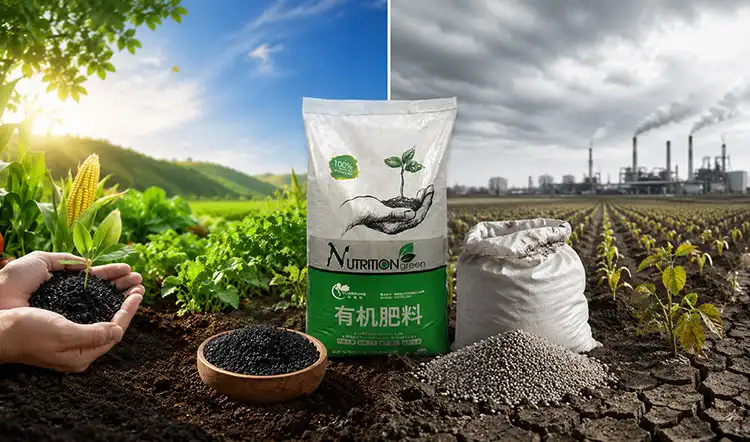
Chemical fertilisers make nutrients available quickly, but they often have long-lasting negative effects on the environment. Nitrogen waste pollutes water sources, which leads to green blooms and more attention from regulators. Adding phosphorus changes the chemistry of the soil, and adding potassium chloride makes it saltier. Eco-friendly fertilizer options cut down on these waste routes by releasing nutrients in a way that fits what plants need. This means that fewer nutrients are applied than are needed, and the environment is protected. Compared to each other, carbon footprints show big differences. Synthetic fertilisers are made using methods that use a lot of energy and release a lot of greenhouse gases. Renewable biomass, like animal and chicken dung, peat moss, and straw powder, is used in organic goods. This biomass is fermented and sterilised at high temperatures to make safe, effective crop nutrition. This method of processing stores carbon instead of releasing it, which helps climate-smart farm efforts.
Nutrient Delivery and Soil Fertility Preservation
High-quality, eco-friendly fertilisers have slow-release systems that make nutrients available throughout the growth season. Chemical fertilisers usually release nutrients quickly, making a lot of them at first, but then they run out and need to be applied again. This pattern of feasting and famine puts stress on plants and loses inputs. Controlled-release organic formulas keep the nutrition steady, which helps keep growth rates steady and promotes healthy development at all stages of growth. One important benefit that is often missed in short-term cost studies is keeping the soil fertile. Chemical sources feed plants and animals, but they don't change the structure or biology of the soil. Repeated use depletes organic matter stores and upsets microbial communities, which lowers the natural output over time. These basic soil qualities are fixed by eco-friendly fertilisers, which raise the cation exchange capacity, raise the tilth, and encourage biological activity that naturally cycles nutrients. In terms of longer periods of time, this means less input is needed and better resistance to stress.
Cost-Effectiveness Analysis
Eco-friendly fertilisers are a good deal on the market right now, especially when you look at the total cost of ownership instead of just the purchase price. Individual unit costs drop by a large amount when you buy in bulk from specialised sellers. Because it releases slowly, it only needs to be applied a few times per season, which saves money on labour and tools. When the health of the soil gets better, it doesn't need as many extra inputs like fungicides and soil amendments. This makes the whole production system more efficient.
How Eco-Friendly Fertilizers Work and Application Best Practices
Understanding the biological and chemical processes underlying these products enables farmers and agronomists to maximize their investment through proper application strategies.
Mode of Action and Nutrient Dynamics
Eco-friendly fertilisers work in ways that work together to support both plant growth and soil health at the same time. Soil bacteria break down organic matter and release nutrients slowly, in time with how plants take them up. Humic and fulvic acids help nutrients move around and get absorbed by roots, which makes fertiliser use more efficient. The best carbon-to-nitrogen ratio is between 15:1 and 20:1. This keeps nitrogen from immobilisation, which can starve plants temporarily while the matter breaks down. Beneficial bacteria found in luxury products live in the rhizosphere, which is an important soil zone around the roots. There, they break down phosphorus, fix nitrogen from the air, and make plant growth hormones. These biological processes do more than just provide nutrition; they also improve plant health and root growth, which leads to measured yield gains.
Application Timing and Dosage Recommendations
The best time to apply depends on the type of food and the way it is grown. Annual plants get fuel all season long from base treatments that are added before planting. Split applications are good for perennial plants because they need higher rates when the rest period ends and lower rates of extra food when they are actively growing. A lot of the time, high-value veggies do well with a mix of methods that include adding solid forms when they are planted and liquid forms through fertigation systems during key growth stages. Dosage rates depend on how fertile the land is, how much energy the crop needs, and how concentrated the product is. For field crops, granular formulations are usually used at a rate of 500 to 1,500 pounds per acre, while concentrated liquid formulations may only need 2 to 5 gallons per acre per treatment. Soil testing gives accurate advice so that crops don't get too little or too much water, which would lower returns or waste resources.
Physical Forms and Equipment Considerations
These days, eco-friendly fertilizer comes in different forms that work best with different tools and farming methods. Granular materials with particles 2 to 4 mm in size and a hardness of 15 to 20 N can be spread evenly with a normal spinner or a gas application. Powders with particles as small as 100 mesh break down quickly for use in pumping systems or to quickly mix into the soil. Liquid mixtures with a density of 1.1 to 1.3 g/cm³ work great for drip watering or aerial spraying because they get nutrients to plants straight where they need them.
Selecting the Right Eco-Friendly Fertilizer for Your Business Needs
Procurement decisions require evaluating multiple factors beyond basic price comparisons to identify products that truly serve operational requirements and business objectives.
Evaluating Nutrient Formulations and Specifications
Quality eco-friendly fertilisers have certain physical properties that make them safe and useful for farming. The amount of organic matter in the soil should be at least 45% for it to really help prepare it. Total primary nutrients above 5% make sure there is enough nutrition, but amino acid patterns and trace minerals may be more important in liquid fish hydrolysate products than NPK ratios. Heavy metal levels must meet high safety standards, with cadmium levels below 3mg/kg and lead levels below 50mg/kg. This protects food quality and market access. Microbiological details are just as important. Products should show that they can get rid of pathogens like Salmonella and E. coli, which were not found in 25g samples, as confirmed by ISO and AOAC testing methods. The number of beneficial organisms, especially Bacillus and Trichoderma species, shows that the product has biological activity that improves its performance beyond just nutrients.
Supplier Reliability and Market Landscape
Finding reliable providers is the difference between good buying and mistakes that cost a lot of money. It's safer to buy from well-known companies that have strong relationships and quality certifications than from unknown sources. By working with agricultural research institutions and making specialty formulas that are patent-approved, Hanzhong Shanrangde Agricultural Technology Co., Ltd. is a good example of a trusted provider. Their building is 6,000 square meters and has modern production equipment and strict quality control systems that make sure their products always work well. The total value provided is affected by how well the supplier handles shipping, minimum order amounts, and expert support. When you buy in bulk, you save money on each unit and make sure you have a steady supply throughout the growing season. If you know how to ship goods internationally and store them properly, the quality won't go down during shipping and storage, which is very important for traders and wholesalers who serve a wide range of markets.
Certifications and Compliance Considerations
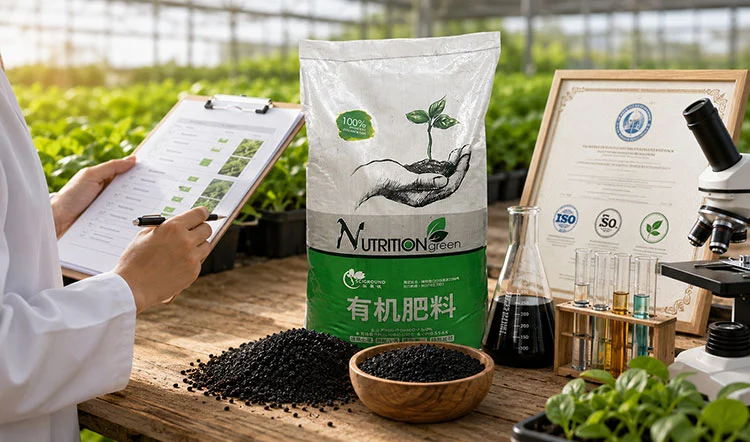
Following the rules saves your access to markets and lowers your potential risk. Products should have the right organic approvals if they want to reach high-end markets that want chemical-free sources. Environmental certificates show a dedication to sustainability that shoppers and retailers alike appreciate. Documentation that backs up safety standards and performance claims gives people trust when they suggest goods to end users or buyers.
Environmental Impact and Long-Term Value of Eco-Friendly Fertilizer
Beyond immediate agronomic benefits, sustainable fertilizers deliver environmental improvements and economic advantages that compound over time, creating strategic value for forward-thinking agricultural operations.
Soil Health and Water Quality Improvements
Using eco-friendly fertilizer regularly rebuilds the structure of the soil, turning packed ground into loose, well-aggregated material that roots can grow strong on. More organic matter makes it easier for water to soak in, which lowers the flow that brings soil and chemicals into streams. This way of stopping pollution saves local ecosystems and keeps farmers from getting fined for breaking the rules about agricultural runoff. Better soil structure and organic activity make it more resistant to drought, which lets plants use saved water when it's dry. This ability to cushion lowers the need for watering and saves crops when rain isn't enough. As weather trends become less stable and water supplies become more scarce, this response to climate change becomes more valuable to the economy every year.
Carbon Sequestration and Climate Benefits
Adding organic matter with eco-friendly fertilisers stores carbon from the air in steady soil pools, which balances out the greenhouse gas emissions that farms make. This action to protect the climate could bring in money through new markets for carbon credits and put businesses in a good situation for future rules. Corporate buyers are looking for providers with proven green practices. This is making the market value of crops grown with environmentally friendly inputs higher.
Long-Term Economic Advantages
Long-term use of eco-friendly fertiliser increases soil richness, which lowers the need for inputs over time as organic processes take the place of outside additions. Better disease protection lowers the cost of fungicides and pesticides and lowers crop losses. Better crop quality, such as better taste, nutrition, and shelf life, gets higher prices in markets that are picky. These benefits build on each other over time, turning initial investments into long-lasting competitive advantages that help farms make more money and businesses stay strong through all economic cycles.
Conclusion
Eco-friendly fertilisers have been shown to help farmers, ranchers, and farming businesses stay productive and make money over the long run. These improved products give instant agricultural benefits through balanced nutrition, lots of organic matter, and good bacteria. They also rebuild soil health so that it can be used for future crops. Managing drought, preventing diseases, and increasing yields all have measurable benefits. Environmental care, on the other hand, makes sure that processes are in line with what the market wants and what the rules say should happen. Choosing high-quality goods from reputable sellers will guarantee a smooth application that saves your land investment and makes you more competitive in farming markets that are always changing.
FAQ
What distinguishes eco-friendly fertilizers from standard organic products?
Eco-friendly fertilizers incorporate advanced formulations combining organic matter with specific beneficial microorganisms and optimized nutrient ratios. Standard organic products may lack controlled microbial populations or precise nutrient balance, offering basic soil amendment without the targeted agronomic performance modern crops require.
Can eco-friendly fertilizers support commercial vegetable and specialty crop production?
Absolutely. These fertilizers excel in high-value crop systems where quality and yield consistency determine profitability. Controlled nutrient release and disease suppression particularly benefit vegetables, while trace mineral profiles support specialty crops with specific nutritional requirements.
How can buyers verify supplier credibility and product quality?
Request third-party testing documentation confirming nutrient content, pathogen clearance, and heavy metal compliance. Investigate supplier facilities, research partnerships, and customer references. Patent authorizations and quality certifications indicate investment in product development and manufacturing excellence.
Partner with Sciground for Premium Eco-Friendly Fertilizer Solutions
Sciground delivers research-backed organic fertilizer manufactured to exacting quality standards by Hanzhong Shanrangde Agricultural Technology Co., Ltd. Our products result from collaboration between experienced agronomists and the former Academy of Agricultural Sciences, yielding formulations proven in diverse crop systems. We specialize in bulk supply for eco-friendly fertilizer suppliers, distributors, and commercial farming operations requiring consistent quality and reliable delivery. Our expertise extends beyond product sales to comprehensive technical guidance supporting successful implementation—from soil analysis through application timing and crop-specific recommendations. Contact our team at [email protected] to discuss your specific requirements, request product samples, or arrange a consultation with our agronomy specialists. We stand ready to help you achieve sustainable productivity goals while building soil health that ensures lasting success.
References
1. Chen, J. (2021). "Biological Mechanisms of Organic Fertilizers in Sustainable Crop Production." Journal of Agricultural Science and Technology, 23(4), 876-892.
2. United States Department of Agriculture. (2023). "Organic Fertilizer Standards and Best Management Practices for Commercial Agriculture." USDA Agricultural Research Service Publication.
3. Martinez, R., & Thompson, K. (2022). "Economic Analysis of Organic Versus Synthetic Fertilizer Systems in Row Crop Production." Agricultural Economics Review, 45(2), 234-251.
4. International Federation of Organic Agriculture Movements. (2023). "Global Standards for Organic Fertilizer Production and Quality Assurance." IFOAM Technical Report Series.
5. Williams, D., et al. (2024). "Soil Health Improvements from Long-Term Organic Fertilizer Use: A Ten-Year Field Study." Soil Science Society of America Journal, 88(1), 145-163.
6. National Organic Standards Board. (2023). "Guidance on Microbial Inoculants and Beneficial Organisms in Organic Crop Production." NOSB Recommendations to USDA.

Sciground
Shanrangde, in collaboration with a team of experts from the former Academy of Agricultural Sciences, focuses on developing patented organic fertilizers, including those specifically formulated for Corydalis rhizome. Chief expert Professor Liang Dejun, with over 20 years of industry experience, provides one-stop technical guidance from site selection to field management, helping farmers increase production and income.
Formulated by the original expert team from the Academy of Agricultural Sciences · Focused on organic nutrients specifically for crops
Contact us now to customize a green nutrition solution for your farmland.
Recommended Blog


Do Leaf Application Fertilizers Improve Growth Speed?


