How to Apply Water-soluble fertilizers for Best Results?
Understanding Water-Soluble Fertilizers and Their Benefits
- Understanding Water-Soluble Fertilizers and Their Benefits
- Step-by-Step Guide: How to Apply Water-Soluble Fertilisers for Optimal Results?
- Choosing the Right Water-Soluble Fertiliser for Your Needs
- Environmental and Operational Considerations for Using Water-Soluble Fertilisers
- Conclusion
- FAQ
- Partner with Sciground for Superior Water-Soluble Fertiliser Solutions
- References
Achieving superior crop yields while maintaining operational efficiency starts with the correct application of water-soluble fertilisers. These advanced nutrient formulations dissolve completely in irrigation water, delivering essential macro and micronutrients directly to plant root zones. When applied through drip systems, sprinklers, or foliar sprays at precise dilution rates—typically 0.5 to 2 grams per litre depending on crop stage—they enable absorption rates exceeding 85%, far surpassing conventional granular products. Proper timing, matched to phenological stages like flowering or fruit set, combined with regular EC monitoring ensures plants receive balanced nutrition without salt accumulation or nutrient lockout.
Understanding Water-Soluble Fertilizers and Their Benefits
What Makes Water-Soluble Fertilizers Different?
Formulated from very pure ingredients, such as potassium nitrate, monoammonium phosphate, and chelated trace elements, water-soluble fertilisers mark a new era in plant nutrition. There is absolutely no residue left in irrigation lines or soil profiles thanks to these formulations' 99-100% solubility, in contrast to conventional granular treatments that depend on sluggish soil decomposition. Thanks to fertigation and foliar routes, nutrients can dissolve completely and enter plant vascular systems. Accurate delivery is the functional benefit. Soil fixation, volatilisation, and leaching losses reduce the nutrient uptake efficiency of conventional broadcasting systems to at most 30–40%. On the other hand, plants can absorb 80-90% of the elements provided to them within hours when given soluble nutrient solutions, which avoid these obstacles. Important considerations for commercial operations overseeing thousands of acres or heavy greenhouse production include minimising environmental effects and reducing input costs.
Key Benefits for Agricultural Operations
These fertilisers solve three long-standing problems in the industry in addition to improving agronomic performance. They keep soil from becoming salinised by decomposing inert fillers and binders, which build up as dangerous salts over the course of several growing seasons. They are essential in contemporary precision agricultural systems, like hydroponic setups and controlled drip networks, due to their compatibility with liquids and the need for precise nutrient control. Targeted application aligns operations with sustainability standards and consumer expectations for responsible farming practices, dramatically improving environmental stewardship by reducing nitrogen runoff into watersheds by up to 40% compared to broadcast granular approaches.
Step-by-Step Guide: How to Apply Water-Soluble Fertilisers for Optimal Results?
Selecting the Right Formulation for Your Crops
The key to effective application is adjusting nutrient levels according to each crop's unique requirements. Formulas with a lot of nitrogen, such as 20-10-20, are ideal for the vegetative growth of leafy greens. Potassium and phosphorus become more important when crops enter their reproductive stages. Blends of 10-30-20, which promote flowering and fruit enlargement, work best for tomatoes when they are about to set fruit. Crops cultivated in soilless or acidic environments, where deficits in iron, zinc, and manganese frequently reduce yields, necessitate micronutrient-enriched formulations.
Avoiding incompatibilities is possible with knowledge of your water quality. The presence of phosphate-based products in hard water, which is often caused by high amounts of calcium or magnesium, can lead to the blockage of emitters. To safeguard infrastructure investments and guarantee uniform nutrient distribution across the irrigation system, it is recommended to do basic water analysis before product selection.
Precise Dilution and Application Timing
The effectiveness of an application is dependent on its dilution. The nutrient concentration of most soluble fertilisers is 100–200 times that of the final working solution. To achieve precise ratios, mixing tanks need to be calibrated. For example, a 200-litre tank that tends a hectare of drip-irrigated peppers usually requires 400-800 grams of product; however, the amount can vary depending on crop stage and soil fertility. You can avoid underfeeding and harmful overconcentration by using EC meters, which measure the strength of solutions. To optimise nutrient uptake, treatments should be timed to coincide with the plant's demand cycles. The most effective time to apply foliar sprays is first thing in the morning, before stomata open and transpiration rates are highest. Typically applied three to five times weekly during peak vegetative or fruiting stages, root-zone fertigation is most effective during active growth periods. To preserve plant health and input investments, it is best to avoid applying fertiliser during periods of high heat or immediately before rainfall. This will help to avoid foliar burn and nutrient loss.
Application Methods and System Integration
By introducing dissolved nutrients directly into irrigation cycles, fertilisation through drip or sprinkler systems offers the most efficient delivery option. Electric dosing pumps or Venturi injectors keep the concentration ratio constant over the whole water-soluble fertilisers cycle. This method guarantees uniform distribution across large industrial regions while cutting manpower expenses by 60% compared to manual applications. You can quickly remedy micronutrient deficits with foliar sprays. Within 48 to 72 hours of the onset of visual symptoms, such as interveinal chlorosis, the remedial nutrients can be delivered through the spraying of chelated iron or manganese solutions at a concentration of 1–1.5 grams per litre. The best times to apply are first thing in the morning or just before bed, when the leaf cuticles are still damp. The solution is better able to distribute and penetrate waxy leaf surfaces when non-ionic surfactants are added at a concentration of 0.1%.
Precision is essential for hydroponic systems. Every day, you have to monitor the EC and pH levels because nutrient solutions are constantly being recirculated. To prevent root stress and maintain optimal development rates, adjust the feed strength such that the electrical conductivity (EC) remains between 1.8 and 2.5 dS/m for the majority of crops. To keep salt and germs from building up in closed-loop systems, it is necessary to replace the solution completely every two or three weeks.
Monitoring and Adjustment Strategies
Fertilisation goes from being a guessing game to a data-driven management system with continuous monitoring. During crucial growth stages, weekly tissue testing can reveal patterns of nutrient intake, enabling us to make formula tweaks in real time. You can see the progress of things between lab tests by looking at things like leaf colour, growth rates, and fruit development. Lower leaves becoming yellow could be an indication of nitrogen deficiency, which would necessitate more frequent feedings or stronger solutions. To monitor the buildup of nutrients, sample the soil or substrate every two weeks. Restoring root zone balance requires leaching cycles with plain water if EC measurements are greater than 3.0 dS/m, which indicates salt buildup. On the other hand, EC values below 1.0 dS/m indicate that the plant is not getting enough nutrients, which is especially true in sandy soils or other inert growing media that can't hold much water.
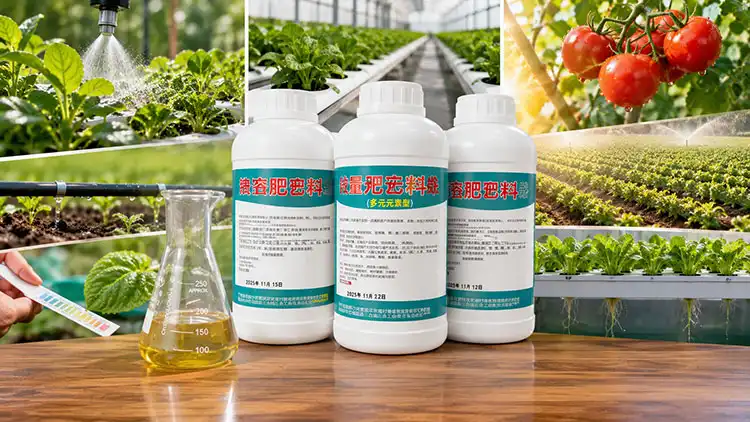
Choosing the Right Water-Soluble Fertiliser for Your Needs
Evaluating Product Quality and Supplier Reliability
Considerations such as purity, solubility guarantees, supply chain consistency, and price per kilogram are integral parts of procurement decisions. To meet stringent food safety regulations, premium formulations must use pharmaceutical-grade ingredients and maintain heavy metal contamination levels below 50 ppm for lead and cadmium. To protect consumers from low-quality products that harm crops or fail to meet label claims, it is essential to have certificates of analysis documenting elemental assays through inductively coupled plasma testing. The stability of suppliers is similarly important. Shortages of products in the middle of the season are intolerable for operations that manage growing cycles that span more than a month. Suppliers that have been around for a while, have regional warehouses, and have recorded delivery records reduce the likelihood of disruptions. The availability of technical support, in the form of agronomists familiar with the specifics of the area's soil and crop problems, offers value that warrants a little premium over commodity goods.
Product Ranges and Crop-Specific Applications
The Sciground portfolio showcases specialised formulation design. To address the hidden need for micronutrients in the calcareous soils found in western growing regions, we have developed soluble fertilisers that contain chelated iron, zinc, manganese, copper, and boron. These solutions promote strong vegetative growth in field veggies and protect stone fruits and vineyards from chlorosis. Fruits that are uniform in size, have smooth surfaces, and have an extended shelf life can fetch premium prices on the market because of the easy-absorption formula's effects on leaf size and thickness, blooming and fruiting, and fruit enlargement with increased colouration. When it comes to broadacre grain and forage applications, where economic efficiency is more important than specialised nutrition, traditional commodity blends from well-known brands are a good choice. Greenhouse tomatoes, ornamentals, berries, and other high-value crops are worth the investment in customised formulas that optimise yield and quality characteristics. Even if the cost per unit is higher, the performance difference is sometimes more than 15-20% in terms of marketable yield; therefore, there is a clear return on investment.
Matching Fertilisers to Growing Systems
Because naturally occurring soil minerals act as a buffer against nutrient imbalances, soil-based field operations can handle small formula deviations. Micronutrient treatments spaced out throughout time, in addition to general-purpose NPK blends, are beneficial to these systems. Since inert media offer no natural buffering, soilless and hydroponic systems necessitate precise formulations with comprehensive nutritional packages. The importance of complete nutrition cannot be overstated, as any shortfall hinders development. In the middle ground are greenhouses and container nurseries that use media based on peat or coir, which have limited nutrient reserves. Fertilisers with controlled-release bases and soluble fertilisers, applied often during active growth, work well with these systems. This combined method is ideal for managing a wide variety of crop species with different needs, as it combines labour efficiency with nutritional precision.
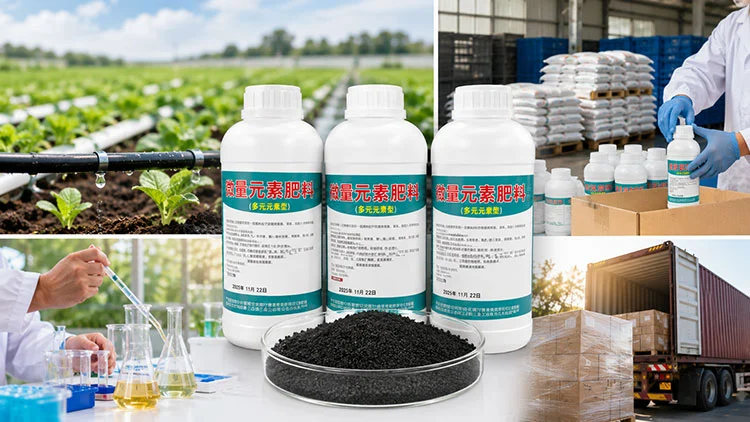
Environmental and Operational Considerations for Using Water-Soluble Fertilisers
Reducing Environmental Impact Through Precision
Nutrient runoff is a problem for the environment and the economy. When compared to broadcast granular treatments, precise fertigation with soluble formulations minimises nitrogen leaching by 35-45%, according to recent studies from agricultural extension agencies. This decrease preserves the quality of groundwater while reducing the need for costly inputs. By timing fertiliser delivery to coincide with root absorption, we may reduce the amount of extra nutrients that would otherwise go beyond the root zone, having a positive impact on the environment. Soil testing, crop removal estimates, and irrigation scheduling are all part of an integrated nutrient management plan, which helps to match application rates to actual crop demands. This methodical strategy keeps plants well-nourished without wasting any water. By optimising application timing and delivery efficiency with soluble fertiliser systems, numerous enterprises have shown that they can decrease total nutrient applications by 20-30% without sacrificing yield.
Storage and Handling Best Practices
Appropriate storage safeguards both products and workers. Because of their hygroscopicity, soluble fertilisers absorb water-soluble fertilisers from the air, leading to caking and a decrease in solubility. When storing items in a warehouse, make sure the humidity is below 60% and that the packaging is intact. To avoid spoilage, it is necessary to reseal containers after opening them using inner liners that are resistant to moisture. Products must be rotated on a first-in, first-out basis to maintain their shelf life criteria, which are usually 24 months from the date of manufacture. Basic safety precautions must be followed when handling concentrated fertilisers. Although concentrated salts are far less harmful than pesticides used in agriculture, they can nevertheless irritate the skin and eyes. Workers who mix stock solutions should wear nitrile gloves and safety glasses. Eyewash stations must be located within a 10-second radius of the mixing areas. You can avoid accidental misapplication or harmful chemical incompatibilities by clearly marking storage containers and keeping various product kinds in separate regions.
Cost Optimisation and Logistics Planning
When comparing the prices of individual bags to pallet amounts, you'll see that purchasing in bulk results in significant savings of 15-25%. The justification of large orders, however, depends on storage capacity and product rotation rates. Quarterly bulk deliveries help operations with yearly shipments of 2-3 metric tonnes save money while minimising storage costs. By pooling their orders to meet bulk pricing thresholds, cooperative purchasing groups may help smaller farmers get better deals. Costly interruptions during important application times can be avoided through supply chain cooperation. The best way to prepare for manufacturing delays or shipping problems that may affect main sources is to cultivate partnerships with numerous suppliers. Operations with dependable suppliers and regular consumption patterns can benefit from just-in-time inventory management, which helps to reduce working capital locked up in inventory while guaranteeing continuous product availability during increasing seasons.
Conclusion
Maximising crop performance through proper application of water-soluble fertilisers requires understanding product characteristics, precise application techniques, and strategic procurement decisions. These advanced formulations deliver unmatched nutrient efficiency when matched correctly to crop needs and applied through appropriate systems. Success depends on continuous monitoring, timely adjustments, and selecting reliable suppliers who provide consistent product quality backed by technical expertise. The operational benefits—improved yields, reduced environmental impact, and enhanced resource efficiency—position soluble fertiliser systems as essential components of modern agricultural production.
FAQ
How often should water-soluble fertilisers be applied for maximum yield?
Application frequency depends on crop type, growth stage, and growing system. Intensive greenhouse vegetables typically require fertigation three to five times weekly during peak growth, while field crops may need weekly applications during critical stages like flowering. Hydroponic systems demand daily monitoring and adjustment. Soil-based systems with moderate organic matter can extend intervals to 10-14 days during slower growth periods. Regular tissue testing every two to three weeks provides the most reliable guidance for adjusting frequency based on actual plant nutrient status rather than fixed schedules.
What distinguishes water-soluble from slow-release fertilisers?
Soluble fertilisers dissolve immediately, providing nutrients within hours of application. This rapid availability suits situations requiring quick response to deficiencies or precise control during specific growth stages. Slow-release products coat granules with polymers that gradually release nutrients over weeks or months, reducing application labour but sacrificing timing control. Commercial operations often combine both—slow-release products provide baseline nutrition while soluble fertilisers address peak demand periods or correct emerging deficiencies. The choice depends on crop value, labour availability, and required precision level.
Are water-soluble fertilisers effective in hydroponic farming?
These formulations prove essential for hydroponic systems, as inert growing media provide zero natural nutrients. Complete solubility prevents clogging in recirculating systems while ensuring precise nutrient ratios. Hydroponic-specific formulations include all essential micronutrients in chelated forms that remain available across the pH range of 5.5-6.5 typical in soilless culture. The ability to monitor and adjust feeding strength daily gives growers unprecedented control over plant nutrition, explaining why commercial hydroponic operations universally rely on high-quality soluble fertiliser programmes as their exclusive nutrient source.
Partner with Sciground for Superior Water-Soluble Fertiliser Solutions
Sciground combines over 20 years of organic fertiliser research expertise with cutting-edge micronutrient formulation technology. Our specialised products deliver chelated trace elements that prevent hidden hunger while promoting exceptional crop quality—increased leaf thickness, enhanced fruit colouration, uniform sizing, and extended shelf life that directly impact your profitability. As a dedicated water-soluble fertiliser manufacturer, we provide comprehensive technical support from soil analysis through harvest, ensuring optimal application protocols for your specific crops and conditions. Our Hanzhong facility maintains rigorous quality control standards, with complete elemental analysis and heavy metal screening on every production batch. Contact our team at [email protected] to discuss bulk procurement options, receive customised nutritional recommendations, and access exclusive supplier pricing that improves your operation's bottom line while advancing sustainable agriculture practices.
References
1. Jones, J.B. (2012). Plant Nutrition and Soil Fertility Manual, Second Edition. CRC Press, Boca Raton, Florida.
2. Hochmuth, G.J. and Hanlon, E.A. (2014). Commercial Vegetable Fertilisation Principles. University of Florida IFAS Extension Publication HS711.
3. Savvas, D. and Gruda, N. (2018). Application of soilless culture technologies in the modern greenhouse industry. European Journal of Horticultural Science 83(5):280-293.
4. Havlin, J.L., Tisdale, S.L., Nelson, W.L., and Beaton, J.D. (2014). Soil Fertility and Fertilisers: An Introduction to Nutrient Management, Eighth Edition. Pearson Education, Upper Saddle River, New Jersey.
5. Bar-Yosef, B. (2008). Fertigation management and crops' response to solution recycling in semi-closed greenhouses. Soilless Culture: Theory and Practice, Elsevier Science, Amsterdam, Netherlands, pp. 343-424.
6. Marschner, P. (2012). Marschner's Mineral Nutrition of Higher Plants, Third Edition. Academic Press, London, United Kingdom.

Sciground
Shanrangde, in collaboration with a team of experts from the former Academy of Agricultural Sciences, focuses on developing patented organic fertilizers, including those specifically formulated for Corydalis rhizome. Chief expert Professor Liang Dejun, with over 20 years of industry experience, provides one-stop technical guidance from site selection to field management, helping farmers increase production and income.
Formulated by the original expert team from the Academy of Agricultural Sciences · Focused on organic nutrients specifically for crops
Contact us now to customize a green nutrition solution for your farmland.
Recommended Blog

How Do Micronutrient Water-Soluble Fertilizers Improve Plant Health?


Which Micronutrient Fertilizer is Best for Healthy Plant Growth?

