Why Should You Use Organic Fertilizer for Fruit Trees Instead of Chemical Fertilizer?
Why Should You Use Organic Fertilizer for Fruit Trees Instead of Chemical Fertilizer?
Why Are More Growers Reducing Their Use of Chemical Fertilizers?
- Why Are More Growers Reducing Their Use of Chemical Fertilizers?
- How Does Fruit Tree Organic Fertilizer Improve Soil and Tree Growth?
- Organic Fertilizer vs. Chemical Fertilizer: What Is the Difference?
- How to Apply Fruit Tree Organic Fertilizer for Better Fruit Production?
- Choosing the Right Fertilizer Formula
- How to Choose a Reliable Organic Fertilizer Supplier?
- Our Expertise in Fruit Tree Organic Fertilizer Production
- Conclusion
- FAQ
- Why Choose Sciground?
- References
Fruit trees need healthy food, dirt, and long-term care to grow well and make good fruit. Fruit Tree Organic Fertilizer is a natural way to improve the health of the soil, help tree roots grow, take in nutrients, and keep producing fruit. It is because they feed good bugs and add more organic matter to the soil that plants grow. Chemical fertilizers, on the other hand, are mostly used to feed plants quickly.
What fertilizer plan you use can change the quality of the food, how the land works, and how much it costs to make in the future. This is true whether you're growing fruit for a business or in your own garden. A farmer who wants fruit trees that bear fruit on their own should use organic manure. This is because it helps the land stay healthy over time.
Why Are More Growers Reducing Their Use of Chemical Fertilizers?
Chemical fertilizers are great for plants because they quickly add nutrients. If you don't take care of the soil, though, too much use over time can make it hard to grow fruit trees.
Potential Problems of Excessive Chemical Fertilizer Use
Synthetic fertilizers often have nutrients like nitrogen, phosphorus, and potassium. They can change the earth and rocks, though, if they are used wrong or too often and quickly.
Too much nitrogen can make leaves grow faster, but it can also make some plants' fruits taste bad. This could also make water wash away more nutrients, which is bad for places where there are lots of farms.
One more thing to think about is the living things that are in the dirt. These tiny living things break down food trash and keep nutrients going through the soil. If you use artificial fertilizers without adding organic matter, they may break down the earth over time. This might mean that the earth and the bacteria that live in it lose their shape.
Farmers take care of their land for more than just one crop. For trees to grow and bear fruit every year, they need a strong base.
How Does Fruit Tree Organic Fertilizer Improve Soil and Tree Growth?
Organic fertilizers are made from natural materials like animal and plant waste, compost, and the waste products of fermentation made by bacteria. These things slowly feed the soil, which is good for plants, animals, and the environment.
Some fertilizers only give plants certain things they need to grow. Fruit Tree Organic Fertilizer, on the other hand, keeps the roots strong. This will make the earth more stable, give it more nutrients, and add more organic matter.
Supports Natural Nutrient Release and Root Development
Fruit trees need food all the time, at different stages of their growth. Like, the flowers need food, the roots need food, fruit needs to be made, and trees need time to heal after being picked.
When organic fertilizers break down, they work to feed the soil. Trees can take in more nutrients when good bacteria break down organic matter slowly.
If the dirt is better made, the roots can grow faster. When there is enough organic matter in the dirt, the roots get stronger. It holds water better and lets more air in.
How well the tree takes in food, handles weather, and does other things depends on how healthy its roots are.
Improves Fruit Quality and Soil Microbial Activity
Kind of tree, weather, amount of water used, and how well the plants are fed are just some of the things that can change how good the fruit is. An even amount of fertilizer can help trees grow in a healthy way and help fruits grow better.
Microbes in the soil work better when you use organic fertilizers. Microbes that are good for you make the dirt work better and move food around.
Better soil conditions might help people who grow food:
-
A better way to use nutrients
-
Tree growth that is more stable
-
Better control of how wet the dirt is
-
It is now less important to use a lot of chemicals.
Man-made fertilizers only give plants nutrients right away, while fruit tree organic fertilizer and other organic fertilizers help the soil get better over time.
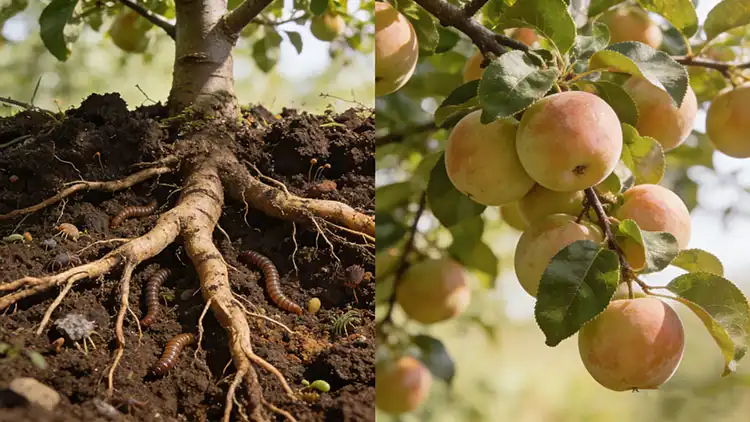
Organic Fertilizer vs. Chemical Fertilizer: What Is the Difference?
Which organic or chemical fertilizer to use relies on your gardening goals, the land, and the needs of your crops. Knowing what makes them different helps growers choose the best solution.
Comparison: Organic Fertilizer vs. Chemical Fertilizer Nutrient Release: Slow and gradual Fast and concentrated Soil Impact: Improves organic matter and soil structure May affect soil balance if overused Microbial Activity: Supports beneficial microorganisms Provides nutrients but limited organic support Long-Term Use Focuses on sustainable soil management Requires careful nutrient management
If they are used the right way, chemical fertilizers can still be useful in farming. But a lot of farmers use both organic fertilizers and modern farming techniques together to get better results with their land and crops that last longer.
In the long run, it may be better for fruit trees to use a fertilizer that is good for both the plants and the soil.
How to Apply Fruit Tree Organic Fertilizer for Better Fruit Production?
You have to use organic fertilizer the right way if you want to see regular results. For each tree, the land, the weather, and the stage of growth, it should be used in a different way.
Recommended Application Timing
Fruit trees need different nutrients at different stages of their growth. It helps trees use nutrients better when you use organic fertilizer at the right time.
Here are some possible times to apply:
-
This helps new roots grow and gets trees ready for the growing season. Do it early in the spring, before the buds open.
-
Given to the plant while it blooms and while the fruit is developing: helps it grow and produce fruit.
-
It gets trees ready for the next growth cycle and fills up their food stores after harvest.
It's best to feed fruit trees two to three times a year, but the exact plan should be changed based on how the trees grow in your area and the results of soil tests.
Choosing the Right Fertilizer Formula
Fruits of different kinds need different amounts of food. Orange, apple, pear, peach, and other fruit trees may need different amounts of nutrients at different stages of growth.
This is what a good organic tree-fruit- food for fruit trees should have:
-
Organic minerals that are in the right amounts
-
Nutritional supply that is stable
-
A lot of living things
-
germs that are good for you
-
Being able to use various ways to grow things
Some possible ways to apply are
-
The organic fertilizer here is solid:
-
Spread it out around the tree's roots and press it into the ground a little. This is a common way to grow food and make the land better over time.
Organic feed that comes in liquid form:
Applied directly to the roots or through irrigation systems to make it easier to handle and get nutrients to them faster.
Farmers can get the most out of Fruit Tree Organic Fertilizer and keep nutrients from going to waste if they use it in the right way and follow the right plan.
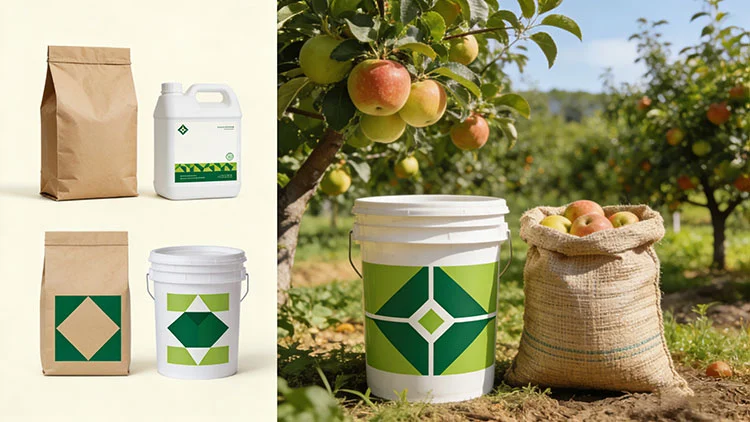
How to Choose a Reliable Organic Fertilizer Supplier?
It is just as important to pick the right fertilizer mix as it is to find a shop you can trust. Farming results can be affected by the quality of the product, how it is grown, and whether or not it gets skilled help.
Quality Control and Product Testing
Aggregate suppliers that you can rely on should have strict quality control measures in place to make sure their goods are always the same.
These are some important things:
-
looked at materials for things
-
Stable ways to make things
-
Reports on the study of nutrients
-
Making sure microbes are safe
-
Keep data that can be tracked.
Businesses that grow, distribute, or work with agriculture can trust providers more if they have skilled labs and quality control processes in place.
It's very important for people who buy a lot of fertilizer that all of the different kinds work the same way.
Technical Support and Customized Solutions
There are different kinds of growing problems in different places and with different kinds of food. Professional manure sellers shouldn't just sell goods; they should also give expert advice.
Here are a few examples of technical skills:
-
How to Pick the Right Fertilizer
-
Help with how to apply
-
Advice on how to feed crops
-
formulas that are made to work with specific fruit crops
Farmers and retailers can work together for a long time if they have a lot of supply options, can customize goods, and can count on reliable transportation.
Our Expertise in Fruit Tree Organic Fertilizer Production
The main goal of Hanzhong Shanrangde Agricultural Technology Co., Ltd. is to make farming solutions that help farmers make better use of their land and work for longer periods of time. Fruit growers can get balanced nutrition from our Fruit Tree Organic Fertilizer, which is made with microbial fermentation technology and new research in agriculture.
The company built a 6,000-square-meter plant in Chenggu County in 2023 so that it could focus on making specialty fertilizers. Why we make the things we do is based on what farms need. They work the land to make it better and keep the fruit level steady.
Microbial Fermentation Technology and Agricultural Research
Our Fruit Tree Organic Fertilizer is made with cutting-edge microbial fermentation techniques. Organic waste can be turned into fertilizers that are full of nutrients and help plants grow with this technology.
Scientists from the Northwest Academy of Agricultural Sciences are in charge of the study. Professor Liang Dejun is one of these experts. He has been studying organic fertilizer for more than 20 years.
We study all the time and work to make our products better so that we can:
-
Putting more biological stuff into the dirt
-
Helping good bacteria do their job
-
increasing the amount of calories available
-
Making fertilizers that can be used on a variety of fruit trees
The way we make our fertilizers is based on science, so they work with current trees and help farmers use eco-friendly growing methods.
Global Supply Capability and Customer Support
Our goods are made for different parts of fruit tree farming, from planting new trees to taking care of a field full of fruit trees that are already there.
Here are some things we can help you with:
-
Selling at the farmers' market
-
People who run farms for profit
-
Business that farms
-
Different needs for fertilizer
As a professional company, we make sure that our customers always have access to stable sources of Fruit Tree Organic Fertilizer and high-quality products.
Our technical team not only sells things but also gives advice on how to use fertilizer and grow plants. We want to help farmers get long-term rewards from farming and make better use of the land.
Conclusion
It's very important to choose the right fertilizer plan for fruit plants and fields that produce lots of fruit. The nutrients in chemical fertilizers can be used quickly, but using them too much could upset the soil's balance and make it less healthy in the long run.
Fruit Tree Organic Fertilizer is better for the environment because it makes the soil stronger, boosts bacteria activity, and releases nutrients slowly over time. As long as growers follow the right steps, organic fertilizers can help their plants stay healthy and keep making fruit.
People who want to improve their land over time, use reliable fertilizer, and grow in a way that doesn't hurt the environment should choose organic fertilizer. When you work with a provider that has been around for a while, you can be sure that you will get regular goods that work better for different fruit-growing uses and better expert support.
FAQ
1. What about chemical fertilizers? Can organic fertilizers be used instead to grow fruit?
Organic fertilizers can work just as well as chemical ones if they are used correctly and based on what a soil test says. Many times, it takes two to three years for soil microbes to come together and for the nitrogen cycle to stabilize during the changeover phase. There may be small drops in yields before biological systems reach their full output potential.
2. How often should organic matter be added to the soil around fruit trees?
Based on the stage of growth and the weather in the area, most fruit trees do better when organic fertilizer is used twice or three times a year. It helps the plant meet different needs when used before the buds open in the spring, during the growing season while the fruit is forming, and after the harvest.
3. What are the signs of not getting enough micronutrients that need certain biological inputs?
If you don't have enough iron, your leaves will turn yellow with green lines. If you don't have enough potassium, your leaves will turn brown, and if you don't have enough nitrogen, your plants will grow less. Soil testing gives a correct diagnosis and helps with plans for corrective fertilization using certain organic mixtures.
Why Choose Sciground?
Our microbial fermentation fertilizers combine traditional agricultural knowledge with advanced nanotechnology. Developed with guidance from Professor Liang Dejun of the Northwest Academy of Agricultural Sciences, our products improve soil structure, enhance root growth, and strengthen disease resistance.
Services:
- Customized formulas for different Fruit Tree Organic Fertilizer
- Technical guidance and application advice
- Global shipping and consistent supply
- Sample testing and bulk purchasing options
Contact: [email protected] – Request a sample or consultation to see results firsthand.
References
1. Smith, J.R., Agricultural Soil Management and Organic Fertility Systems, Journal of Sustainable Agriculture, 2023.
2. Thompson, M.L., Microbial Activity in Organic vs. Chemical Fertilizer Systems, Soil Science Research Quarterly, 2024.
3. Rodriguez, A.P., Economic Analysis of Organic Fertilizer Adoption in Commercial Orchards, Agricultural Economics Review, 2023.
4. Chen, W.H., Nutrient Release Patterns in Organic Fertilizer Applications, Plant Nutrition Science, 2024.
5. Williams, K.T., Environmental Impact Assessment of Fertilizer Systems in Fruit Production, Environmental Agriculture Journal, 2023.
6. Davis, R.S., Fruit Quality Improvements through Organic Fertilization Programs, Horticultural Science Advances, 2024.

Sciground
Shanrangde, in collaboration with a team of experts from the former Academy of Agricultural Sciences, focuses on developing patented organic fertilizers, including those specifically formulated for Corydalis rhizome. Chief expert Professor Liang Dejun, with over 20 years of industry experience, provides one-stop technical guidance from site selection to field management, helping farmers increase production and income.
Formulated by the original expert team from the Academy of Agricultural Sciences · Focused on organic nutrients specifically for crops
Contact us now to customize a green nutrition solution for your farmland.
Recommended Blog


How Do Organic Fertilizers Benefit Soil Health and Plant Growth?

How Does Balanced Liquid Fertilizer Help Plants Resist Disease?

Why Should You Use Balanced Liquid Fertilizer for Your Plants?
_1767870624598.webp)

