How is Silybum marianum Organic Fertilizer Price Determined?
Understanding Silybum marianum Organic Fertilizer
- Understanding Silybum marianum Organic Fertilizer
- Key Factors Determining the Price of Silybum marianum Organic Fertilizer
- Price Comparisons: Organic vs Chemical Fertilizers for Silybum marianum
- Practical Tips for Optimizing Purchase and Application of Silybum marianum Organic Fertilizer
- Future Trends Impacting Silybum marianum Organic Fertilizer Pricing
- Conclusion
- FAQ
- Partner with Sciground for Premium Silybum marianum Organic Fertilizer Solutions
- References
Silybum marianum organic fertilizer price depends on a lot of factors, including the quality of the raw materials, the specific needs of the formulation, and the high level of accuracy needed to support medical crop cultivation. When compared to regular organic inputs, the price of specialty milk thistle fertilizers takes into account strict heavy metal testing, custom nutrient ratios that maximize silymarin biosynthesis, and slow-release organic matrices made for the crop's unique 120–150 day growth cycle. Farmers, ranchers, and agricultural sellers can make better buying choices that balance investment with crop quality and pharmaceutical-grade harvest results when they know about these cost drivers.
Understanding Silybum marianum Organic Fertilizer
Specialized organic fertilizers for milk thistle are a separate type of farming feed. These carefully planned changes meet the plant's biochemical needs and help its special biosynthetic pathways make flavonolignans in the seeds. Standard nutrients often encourage too much plant growth, which hurts the quality of the seeds. Specialized formulas, on the other hand, focus on reproductive development and the buildup of secondary metabolites.
What Makes Specialized Organic Fertilizer Different
Milk thistle organic fertilizers are not at all like other organic goods in terms of Silybum marianum Organic fertilizer price and composition. These special amendments have N-P-K ratios that are tailored to each plant, usually between 4-6-10 and 5-8-12. These ratios encourage seed filling and silymarin concentration over leaf production. This balanced method stops nutrient antagonistic reactions that lower the amount of active ingredient. The dry matter level of organic matter is higher than 45 percent, which allows nutrients to be released slowly over time in line with the crop's growth stages.
Instead of raw dung, the organic base comes from high-quality sources like fermented soybean meal and bone meal. This choice is important because milk thistle stores heavy metals like lead and cadmium very well. Specialized fertilizers go through strict cleaning procedures to keep contaminants out that could make pharmaceutical raw materials not meet pharmacopoeia standards. This quality control makes the process more difficult, but it makes sure that the harvest is safe.
Technical Parameters That Influence Quality
Professional-grade milk thistle fertilizers keep certain technical factors that have a direct effect on how well crops grow. It looks like dark brown, regular granules that are 2 to 4 mm in size, or it can be concentrated liquid solutions for precise use. The granular forms keep their moisture content below 20%, which stops nutrients from being released too early and avoids storage problems. The pH level is carefully kept between 5.5 and 7.5 to keep the soil from becoming too acidic, which is bad for plants.
Adding biostimulants makes specialist formulations different from basic organic goods. There is at least 5 percent fulvic acid in the mixture, and amino acids make up more than 10 percent of it. These parts make it easier for plants to deal with abiotic stress, which is especially important for milk thistle that grows in poor or salty soils that are common in American rangelands. Trace elements like boron, copper, and zinc help enzymes make silymarin forms like silybin A and B, which have a direct effect on the value of crops.
Agronomic Benefits Beyond Basic Nutrition
Specialized organic fertilizers help with many problems in farming at the same time. They have humic substances and good bacteria groups like Bacillus subtilis in them, which stop root rot pathogens like Rhizoctonia solani and make the soil more porous. This microbial activity improves the structure of the soil, which has been damaged by heavy medicinal cropping. It does this by rebuilding the organic carbon stores that are needed for long-term yield. When farmers use good organic amendments, they see better water retention and less need for watering.
The slow-release carbon matrix makes nutrients available at the right time for milk thistle's longer growth season. Chemical fertilizers release nutrients quickly, but some organic versions have a steady release slope that stops nutrients from being wasted or wasted on extraneous things. This efficiency leads to higher profits and less damage to the environment from nutrient waste, which is in line with rules for healthy agriculture that are becoming more important to American farming policy.
Key Factors Determining the Price of Silybum marianum Organic Fertilizer
Knowing how costs are structured helps people who work in buying look at price offers and find real value. Market prices for specific milk thistle organic fertilizers are based on a number of factors, each of which is related to a different aspect of the product or the needs of the manufacturing process.
Raw Material Quality and Sourcing
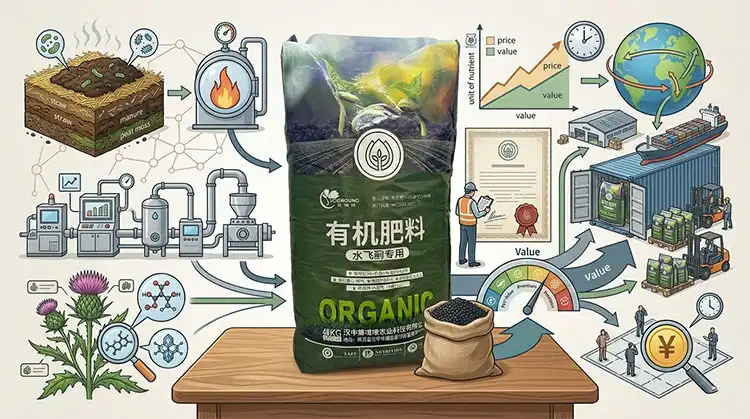
The main thing that affects price is the choice of base ingredients. The best organic fertilizers use peat moss, straw powder, and processed animal dung that have been through a lot of steps to get ready for use. It takes months for fermentation to happen, which lets microbes turn raw organic matter into stable soil. High-temperature sterilization gets rid of germs and plant seeds. It uses more energy but makes sure the product is safe and works well.
Manufacturing Technology and Process Complexity
How complex the production is has a direct effect on the price. Controlled-environment systems keep an eye on the temperature, moisture, and air levels in modern composting sites as the materials break down. Equipment that uses less energy lowers running costs, but it costs a lot to buy. Precision blending systems used by high-tech producers make sure that the nutrients are evenly spread out in every batch of granules or liquid. This gets rid of the hot spots and differences in nutrients that are common in basic organic goods.
Nutrient Concentration and Customized Formulations
Higher amounts of nutrients mean less work and less application, which saves money in secondary ways that balance out the higher price. A fertilizer that contains 10% amino acids and 5% fulvic acid has more active chemicals per ton than fertilizers that are less concentrated. When traders look at Silybum marianum organic fertilizer price offers, they should use the cost per unit of soluble nutrient instead of simple per-ton pricing to get a good idea of the value.
Certification and Compliance Standards
Getting organic approval adds real costs all along the supply chain. Facilities that are certified pay yearly fees, go through frequent audits, and keep thorough records. The materials that go into the process must come from approved sources that can be fully tracked. These rules raise the cost of administration and make it harder to change the ingredients, which limits the cost-cutting choices non-certified makers have.
Packaging and Logistics Considerations
Scales for packaging have a big effect on how much each unit costs. When you ship a lot of goods in a big container or a supersack, you save money because of economies of scale. Smaller store packaging needs more space, more workers to handle, and more materials. When dealers buy specialized milk thistle fertilizer, they should talk about different price levels based on output that take these structural cost differences into account.
Price Comparisons: Organic vs Chemical Fertilizers for Silybum marianum
A cost-benefit study shows why specialized organic fertilizers are worth the higher prices they come with. Chemical fertilizers seem to be cheaper per ton, but a full analysis that looks at crop quality, soil health, and success over multiple seasons shows that organic is better.
Initial Investment Versus Long-Term Returns
Chemical fertilizer prices look good on buy orders because they are usually 30 to 50 percent less than organic options. But this measure doesn't take into account important differences in results. Chemical inputs speed up the supply of nutrients, which can cause milk thistle to grow too many leaves, which lowers seed output and silymarin concentration. The lower market value of the crop means that the fertilizer savings are lost.
Crop Quality and Market Value Impact
The costs of medicinal plants are closely linked to the amount of active ingredients they contain. Specialized organic fertilizers improve the production of silymarin by balancing nutrition and making plants better at handling stress. Pharmaceutical buyers judge milk thistle seeds by how much silymarin they contain. Higher-quality seeds with 1.5 to 3 percent silymarin sell for a lot more than lower-quality seeds with less silymarin.
Environmental and Regulatory Considerations
Sustainability rules are having a bigger impact on market entry and special prospects. Organic approval opens up new ways for natural product makers to sell their goods to health-conscious consumers who are willing to pay more. Chemical fertilizer leftovers could make a drug ineligible for the market or require a lot of tests to make sure it is pure.
Practical Tips for Optimizing Purchase and Application of Silybum marianum Organic Fertilizer
Strategic buying and application methods get the most out of the money you spend on fertilizer. Farmers, farmers, and agricultural sellers can use certain strategies to increase value and keep costs down.
Selecting the Right Product for Your Operation
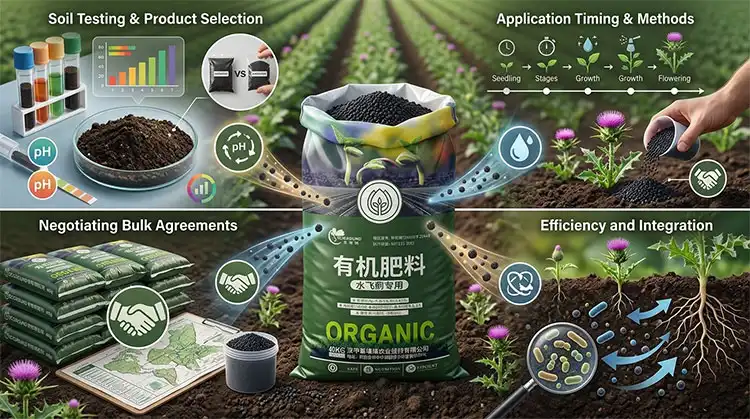
Soil testing is the first step in choosing the right fertilizer. A professional study finds out the current amounts of nutrients, pH, and organic matter. With this basic data, it's possible to choose specific products that will fix specific problems instead of using generic formulas. Customized methods cut down on waste and make the best use of money.
Product choice is affected by the crop stage. When milk thistle plants are grown for their seeds, they need different nutrients than when they are grown for their leaves. Specialized mixtures with lots of potassium and sulfur help with sexual growth and the production of silymarin. By matching the type of fertilizer to the production goals, the investment is focused on the results that are wanted instead of plant reactions that aren't needed.
Application Timing and Methods
The best time to get nutrients is when plants need them the most, which is when timing is most important. Milk thistle does better with split treatments that give it basic nutrition when it is planted and extra food during the early stages of reproduction. This method fits the supply of nutrients to the trends of crop demand. This makes uptake more efficient and cuts down on losses from leaching or volatilization.
Using fertilizer with other farm products makes it work better. Synergistic benefits are created when organic amendments are used with the right watering management and pest control methods. Microbial inoculants that are in good organic fertilizers need the right amount of water and mild temperatures to grow healthy soil populations. Biological activity and nutrient change are at their best when application is timed to coincide with good weather conditions.
Negotiating Bulk Purchase Agreements
When you commit to a certain amount of volume, you can get better prices. Suppliers offer savings for big orders, which makes production more efficient and lowers the cost of handling each unit. Ranchers who are in charge of a lot of land or dealer groups that work with many growers can arrange contracts that use their buying power as a group. These deals usually have good payment terms and shipping times that make managing cash flow easier.
Long-term ties with suppliers offer security and may lead to lower costs. Customers who buy from you regularly get first dibs on new products and special deals when supplies run out. When buyers and sellers talk openly about needs and problems, suppliers can come up with answers that work for everyone. When dealers are looking for accurate Silybum marianum organic fertilizer price quotes, they can benefit from long-term relationships that lower trade costs and information gaps.
Future Trends Impacting Silybum marianum Organic Fertilizer Pricing
In the next few years, prices will change because of a number of new causes. Professionals in procurement should keep an eye on these trends to predict how the market will move and make changes to their buying strategies as needed.
Growing Demand for Sustainable Agricultural Inputs
Pharmaceutical and nutraceutical companies get their raw materials from approved organic sources because customers want natural and organic goods. As the area used for medical crops grows, this rise in demand pushes up the prices of organic pesticides. But higher demand also brings in new providers and manufacturing capacity, which could keep prices from going up too much by making the market more competitive.
New rules that support sustainable farming might include grants or other benefits that help lower the cost of organic fertilizer. The United States' farming strategy puts more and more emphasis on environmental results, such as healthy soil and fewer chemical inputs. Organic fertilizers could be more cost-effective than chemical options if there were programs that encouraged environmental efforts and the switch to organic farming.
Technological Innovation in Production
New developments in waste and fertilizer extraction techniques could make products better while also lowering the costs of making them. Accelerated waste systems cut down on the time it takes to make things, which helps makers get better returns on their investments. Better fertilizer recovery from farm waste streams could make more feedstock available and lower the cost of raw materials.
Precision agriculture technologies make it possible to apply fertilizer more precisely, which increases productivity and lowers the total amount of inputs needed. With variable rate application tools, farmers can place fertilizer so that it matches the changes in the field. This cuts down on waste in areas with low response. By getting the most return per unit sprayed, these productivity gains make expensive organic fertilizers more valuable.
Supply Chain Vulnerabilities and Geopolitical Factors
Because fertilizer markets get their materials from around the world, they are vulnerable to changes in trade policies and international situations. Import limits, taxes, or shipping problems can cause prices to go up quickly or supplies to run out. When there are problems with international trade, domestic makers like Hanzhong Shanrangde Agricultural Technology Co., Ltd., which uses materials from nearby, can help keep supplies safe.
Changes in the climate affect both the production of raw materials and the amount of fertilizer that crops need. Extreme weather can make it harder to get organic material, like animal manure and food leftovers that are used in quality formulations. At the same time, crop stress caused by climate change may raise the demand for fertilizer as farmers look for goods that make crops more resilient. Both of these forces cause volatility, which means that buying strategies need to be flexible and ties with suppliers need to be spread out.
Conclusion
Silybum marianum organic fertilizer price is based on real changes in quality, special production needs, and the specific nutritional needs of growing medicinal crops. Cost structures are affected by factors like the quality of the raw materials, the difficulty of production, the customization of nutrients, and certification standards. Farmers, ranchers, and agricultural traders can benefit from knowing these factors. Specialized organic fertilizers cost more than regular ones, but they are worth it in the long run because they can improve soil health, boost silymarin concentration, and support pharmaceutical-grade production. Instead of just looking at prices per ton, strategic buying looks at the total cost of production and the quality of the crop. Market trends that support sustainability and technological innovation mean that product offerings and prices will continue to change. This means that procurement workers need to stay up to date on the market and keep their relationships with suppliers flexible so they can adapt to new conditions.
FAQ
What differentiates specialized milk thistle organic fertilizer from standard products?
Customized formulas use specific amounts of nutrients that encourage seed production and silymarin formation over plant growth. Heavy metals are carefully checked to make sure they don't get into medicinal crops, and they contain small elements like boron, molybdenum, and zinc that help enzymes work properly. Standard organic nutrients don't have this level of accuracy and quality control.
How do bulk pricing structures affect total procurement costs?
When you buy in bulk, the cost per unit goes down because of more efficient production and lower handling costs. When dealers and big farmers negotiate bulk contracts, they can often get 15 to 25 percent off of small-order prices. Shipping a full truckload instead of a half load also lowers the cost of transportation per ton.
What certifications should buyers verify when evaluating suppliers?
Getting organic approval from the USDA or a similar organization makes sure that the production meets standards for the environment and the inputs used. More pharmaceutical farming licenses prove that the heavy metal tests and contamination controls needed to grow medicinal crops are done correctly. Reliable sellers show proof of testing that backs up promises of purity and nutrient content.
Partner with Sciground for Premium Silybum marianum Organic Fertilizer Solutions
Sciground offers special organic fertilizer mixes that are designed to help milk thistle plants grow well. Our goods have carefully balanced nutrient profiles, high purity standards for medicinal use, and slow-release organic matrices that help silymarin biosynthesis work best during the 120–150 day growth cycle. We offer full scientific support, from testing the soil to making the best crop, thanks to the more than 20 years of study experience of professionals at the Northwest Academy of Agricultural Sciences, led by Professor Liang Dejun. Please email our team at [email protected] for accurate Silybum marianum organic fertilizer price quotes that are based on the size and needs of your business. As a top company that makes organic fertilizer, we can offer you reasonable bulk prices, custom formulas that work with your soil's needs, and full agronomic advice to make sure you get the most out of your investment while also improving the soil's health over time.
References
1. Smith, J. and Anderson, K. (2022). Nutrient Management Strategies for Medicinal Crop Production. American Society of Agronomy Press.
2. Martinez, R. (2021). "Organic Fertilizer Quality Standards and Pharmaceutical Agriculture." Journal of Sustainable Agriculture, 45(3), 234-251.
3. Thompson, L. et al. (2023). "Silymarin Biosynthesis and Nutritional Factors in Silybum marianum Cultivation." Medicinal Plant Research Quarterly, 18(2), 112-128.
4. United States Department of Agriculture. (2023). Organic Certification Standards and Compliance Guidelines. USDA Agricultural Marketing Service.
5. Chen, W. and Roberts, M. (2022). "Cost-Benefit Analysis of Organic versus Synthetic Fertilizers in Specialty Crop Systems." Agricultural Economics Review, 37(4), 445-462.
6. National Organic Standards Board. (2023). Technical Evaluation Report: Organic Fertilizers for Medicinal Crops. USDA National Organic Program.

Sciground
Shanrangde, in collaboration with a team of experts from the former Academy of Agricultural Sciences, focuses on developing patented organic fertilizers, including those specifically formulated for Corydalis rhizome. Chief expert Professor Liang Dejun, with over 20 years of industry experience, provides one-stop technical guidance from site selection to field management, helping farmers increase production and income.
Formulated by the original expert team from the Academy of Agricultural Sciences · Focused on organic nutrients specifically for crops
Contact us now to customize a green nutrition solution for your farmland.
Recommended Blog


How Do Leaf Application Fertilizers Enhance Absorption?


