Why Are Top Farmers Choosing Natural Fertilizer Today?
Introduction
- Introduction
- Understanding Natural Fertilizers: What Makes Them Essential Today?
- Why Do Top Farmers Prefer Natural Fertilizer Over Chemical Alternatives?
- How to Select the Best Natural Fertilizer for Your Farming Needs?
- Practical Guidance on Applying Natural Fertilizers Effectively
- Partnering with Trusted Natural Fertilizer Suppliers
- Conclusion
- FAQ
- Partner with Sciground for Premium Bio-Organic Solutions
- References
Natural fertilizer is preferred by today's top farmers because it improves soil health over time, makes crops more resilient, lowers long-term input costs, and complies with environmental rules. Chemical alternatives break down the structure of the soil over time, but organic options restore the range of microbes and provide appropriate nutrition through processes that happen naturally. This change is not only good for the environment, but it's also smart business that will protect farm profits and food quality for decades to come.
Introduction
Leading farmers and ranchers across the United States are switching to Natural fertilizer methods, which is having a huge impact on agriculture. The move toward bio-based soil amendments isn't just about caring about the environment; it's also a basic reevaluation of what makes farms productive in the long term. If you work in procurement or as a boss of an agricultural business, you need to know about this trend to find solutions that combine economic success with environmental responsibility.
Natural fertilizer soil boosters are becoming more popular because they help crops grow better, keep the earth healthy, and follow government rules. Chemical-dependent systems have shown diminishing returns, with compacted soils, unbalanced nutrients, and rising input costs. Farmers who use chemically active and compost-based amendments say their crops produce more, are less likely to get diseases, and can handle drought better. Because of these real benefits, forward-thinking farming companies now make Natural fertilizer rich in organic matter a top priority when they buy it.
Understanding Natural Fertilizers: What Makes Them Essential Today?
Defining Organic-Based Soil Amendments
Natural fertilizers come from plant waste, animal waste, and composts that have been enhanced with microbes. Unlike goods made in a lab, these amendments come from organic sources that can be used again and again and naturally break down, slowly releasing nutrients. In this group are standard composted manures, vermicomposts, green manures, and advanced bio-organic mixtures with beneficial microbes. This difference is important because living materials add organic matter that changes the physical features of the soil in ways that go beyond just adding nutrients.
Nutrient Delivery Through Biological Processes
Through microbial breakdown, these Natural fertilizer liquids provide important macronutrients like nitrogen, phosphorus, and potassium, as well as important micronutrients like zinc, boron, and manganese. The organic breakdown process slowly produces nutrients that are better suited to how plants take them in than chemical forms that dissolve in water. Natural humic acid that dissolves in water and plant-based humic substances that are found in high-quality organic products bind minerals together, making them easier for roots to access. This biological nutrient release process cuts down on leaching losses and keeps fertility stable throughout growth seasons, making better use of nutrients than traditional methods.
Environmental and Economic Sustainability
The benefits to ecology go beyond less chemical waste. Natural fertilizer amendments help farming soils store more carbon, which directly helps the climate and improves long-term fertility. Better soil structure lets more water soak in and stay in the soil, so it doesn't need to be watered as much when it's dry. In organically rich soils, the growth of helpful microorganisms naturally slows down pathogens, which reduces the need for pesticides. When you add up all of these effects, they make Natural fertilizer both good for the environment and good for business. It lowers costs and fits in with new rules about the environment.
Why Do Top Farmers Prefer Natural Fertilizer Over Chemical Alternatives?
The Hidden Costs of Chemical Dependency
Chemical fertilizers make nutrients available right away, but they also create serious problems over time. Synthetic treatments that are used over and over again make soils more acidic, kill useful microbes, and compact the soil structure. Because of this degradation, farms have to increase their input cycles, which means they use more goods each season to get less. Water-soluble forms break down quickly and pollute groundwater, so they need to be reapplied often. Chemical dependence is not sustainable from an economic perspective because it costs a lot to comply with environmental laws, fix up contaminated soil, and keep up with falling output.
Soil Structure and Microbial Diversity Advantages
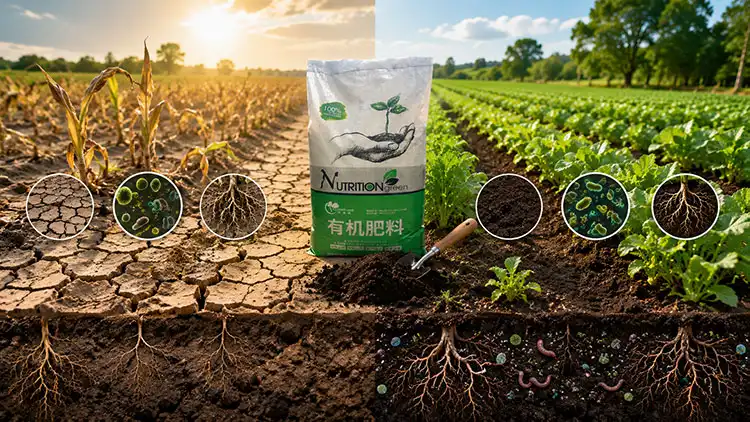
High-quality Natural fertilizers that are high in organic matter break up the soil and make it easier for roots to get into and for water to move through. This physical change especially helps areas with heavy clay soils or fields that have been badly managed for years. Natural fertilizer amendments turn soil from a dead medium for growth into a live environment by encouraging biological activity. Beneficial bacteria, fungi, and other microorganisms multiply when given organic materials. They build complicated food webs that recycle nutrients well and keep plants safe from diseases that come from the earth.
You can't say enough good things about naturally active systems' ability to fight off diseases and keep them from happening. By competing with pathogens, healthy microbial populations take over natural niches that would otherwise be occupied by pathogens. This stops soil-borne diseases from spreading. This natural defense lowers the need for fungicides and crop losses, which makes both the regularity of yields and the quality of the food produced better. After a few seasons of building soil biology, farmers who switch to Natural fertilizer farming always say that diseases are less of a problem.
Documented Performance in Real Operations
Agricultural study sites and modern farms show that Natural fertilizer programs have strong effects. Composted amendments have been shown to increase crop yields by 12 to 25 percent compared to traditional methods. Grain farmers have seen better tolerance for drought and steadier production. The slow-release nutrient profile reduces loss and increases nutrient use efficiency. Once the soil health improves, the overall amount of Natural fertilizer needed drops by 20–30%.
When ranchers use Natural fertilizer soil building in their field management, the food quality is better and the grazing seasons are longer. Better soil structure and better water absorption make plants more resistant to dryness, which is especially useful when the weather is bad. Also, plants that are resistant to cold do better when the soil stays at a stable temperature and level of wetness, which helps plants grow in cold weather and extends the growing season at both ends.
How to Select the Best Natural Fertilizer for Your Farming Needs?
Matching Products to Crop Requirements
Different crops need different amounts of nutrients and different ways to use them. Balanced Natural fertilizer mixtures that release nutrients steadily during fast growth phases are good for vegetable production. For fruit tree farms to work, they need special Natural fertilizer products that are made to meet the needs of permanent crops. These products should focus on trace minerals and slow nitrogen release to keep plants from growing too much. Row crop farmers need solutions that are both cheap and can be used on a large scale. On the other hand, specialty crop farmers usually choose high-quality Natural fertilizer products that meet strict government standards.
Knowing the current state of your land helps you choose the right products. Soil testing shows the current amounts of nutrients, pH, and organic matter, which you can use as a starting point for deciding what to change. Soils that have been damaged and lost a lot of organic matter can be fixed by adding a lot of compost. Soils that have been kept in good shape, on the other hand, need low amounts of organic matter to keep their fertility. Organic matter helps clay soils better aggregate and drain, while adding organic matter to sandy soils makes them better at holding water.
Product Forms and Certification Considerations
There are different kinds of Natural fertilizers, and each has its own benefits. Standard spreading tools can be used to spread solid granular products over big areas. Liquid Natural fertilizer formulas allow fertigation devices and foliar feeding, which directly feed plants with nutrients during important growth stages. Pelleted forms have regular particles that can be used precisely, and raw composts are a cheap way to add organic matter to the soil.
Certification rank strongly influences the products that different markets choose. USDA-certified Natural fertilizer farms must use inputs that are listed by organic certification agencies. This limits options but ensures that farmers follow the rules. Conventional farmers have more choices, such as Natural fertilizer mixes that combine organic materials with few manufactured additives. These hybrid goods offer ways for businesses to switch to Natural fertilizer systems while keeping up their current level of output.
Economic Analysis and Procurement Strategy
Quality Natural fertilizers often cost more up front than conventional ones, but a full economic study shows that they are worth more in the long run. When you buy in bulk, the price per unit goes down by a lot. This makes container-load procurement a suitable option for bigger businesses or joint buying groups. Long-term returns on investment include lower costs for pesticides and watering, less need for extra Natural fertilizer as soil health improves, and higher prices in many markets for natural fertilizer-grown foods.
Building ties with dependable Natural fertilizer providers guarantees that you will always be able to get the product and get technical help. Working with makers that offer agronomic advice can help you get the most out of your application strategies and solve problems that arise during changeover times. Suppliers with strict quality testing procedures and open sourcing give you peace of mind about the stability of their products and their compliance with regulations. This protects your business from production risks related to inputs.
Practical Guidance on Applying Natural Fertilizers Effectively
Application Techniques for Different Crop Systems
The best results for vegetable growers come from adding Natural fertilizer amendments before planting. This lets microbes start mineralizing nutrients before the crops take hold. Adding extra Natural fertilizer materials to the soil during active growth keeps the nutrition going until harvest. Root crops do better with well-decomposed compost instead of new manures, which can change the taste and quality of storage. Leafy greens do well with Natural fertilizer sources that have more nitrogen, but growing veggies need balanced formulas that help them through both the vegetative and reproductive stages.
Controlled-release Natural fertilizer products are good for nurseries and ornamental gardens because they keep the amount of nutrition low without causing too much growth. To make containers, you need special Natural fertilizer potting mixes or amendments with the right grain sizes and rates of breakdown. When you prepare the soil with Natural fertilizer, it helps plants grow roots and keep water in, which is especially helpful in difficult urban soils.
Timing and Frequency Strategies
When Natural fertilizer is applied, it has a big effect on how well it works. Applying in the fall lets the materials break down over the winter, making nutrients available for growing in the spring. This method works especially well for slow-release materials that microbes need to break down before plants can use them. Faster-acting Natural fertilizer sources, such as composted chicken manure or prepared organic meals, work best for spring treatments closer to planting time.
How often you apply it depends on how long the crop lasts and how fast the organic matter breaks down. Annual veggie systems usually need to be supplemented before they are planted and again in the middle of the season. Annual maintenance treatments that add organic matter and keep soil life alive are good for perennial crops. Keeping an eye on how the plants look and checking the soil on a regular basis help you figure out the best way to apply nutrients and build long-term soil fertility.
Safety and Environmental Stewardship
Compared to chemical fertilizers, properly treated Natural fertilizers don't pose as many safety risks. Pathogens are killed by materials that meet time-temperature standards, which means they are safe for growing food crops. Good makers show proof that they have tested their products to make sure they meet safety standards for heavy metals and pathogens. Cleaning application equipment follows standard hygiene rules, and Natural fertilizer leftovers are less of a safety issue than chemical products.
When you use Natural fertilizer, you automatically protect the environment. Nutrients that are released slowly have less waste and leaching, which protects water quality. Adding organic matter to the soil makes it store more carbon, which helps slow down climate change. Better soil structure stops runoff, which keeps the useful topsoil in the fields instead of in rivers further downstream. Because these practices are good for the environment, farms can often get money from conservation programs. This is another reason to handle soil with Natural fertilizer.
Partnering with Trusted Natural Fertilizer Suppliers
Evaluating Manufacturer Credentials
To find good Natural fertilizer makers, you need to look at several important factors. Product certifications from well-known organic agencies show that the company follows organic standards and has regular site checks. Nutrient analysis, microbial testing, and heavy metal screening should all be part of quality testing methods, and buyers should be able to see the results. Manufacturing plants that use the right recycling methods make sure that the quality of their products stays the same and that they are safe for living things.
Companies that have been around for a while and have relationships with agricultural research groups show that they are dedicated to improving products and farming methods. Companies that put money into field trials and partnerships with universities give tips based on data instead of general advice on how to use their products. This technical knowledge is very helpful when putting the program into action and dealing with problems that are unique to each place.
Logistics and Supply Chain Considerations
For business agricultural activities, being able to complete orders in bulk is very important. Suppliers that offer truckload amounts, adjustable shipping schedules, and regional storage make sure that customers can get their products during key application times. Knowing the minimum order amounts, lead times, and yearly availability helps keep purchases from getting messed up, which could affect when crops are grown.
Transportation costs make up a big part of the price of supplied Natural fertilizer, so where the provider is located is economically important. When delivering in bulk, local makers often offer lower prices than suppliers from far away. Some sellers offer backhaul deals or collaborative logistics with other farming inputs. This helps buyers save even more on shipping costs when they buy in bulk.
Building Long-Term Partnership Value
When farmers and suppliers work together, they can make the most successful Natural fertilizer plans. Agronomic support from manufacturers helps make Natural fertilizer plans fit different crops, soils, and management methods. This technology helps shorten the time it takes to learn during Natural fertilizer changes and makes application methods work better as operations change.
When suppliers respond quickly to quality issues and stand behind their goods, they build trust, which is important for long-term relationships. Being honest about where the raw materials come from, how the product is made, and any differences between batches shows that you are honest and professional. These relationships go beyond just buying things one time and turn into strategic alliances that help both sides reach their goals, which are stable market growth for makers and long-term profits for farms.
Conclusion
The switch in farming to Natural fertilizers is a smart business move, not just a concern for the earth. Top farmers know that the health of the land affects their long-term profits and ability to keep running their businesses. Good Natural fertilizers that are full of organic matter, naturally occurring humic acid that dissolves in water, helpful microorganisms, and highly active trace minerals give plants the nutrition they need to grow and rebuild the biological basis of effective agriculture. Along with protecting the environment, the benefits—better soil structure, greater resistance to drought, reduced disease, and higher yields—bring about real economic gains. Agricultural companies that use these methods will be better prepared for changing markets, rules, and climate conditions.
FAQ
What distinguishes natural fertilizer from chemical fertilizers?
Natural fertilizers come from living things, like animal and plant waste that has been composted, which releases nutrients through the action of microbes. Chemical fertilizers have mineral salts that are made in a lab and provide quick but short-term nutrition supply. Natural fertilizer amendments improve soil health by adding nutrients and building up the soil's structure and life. Chemical amendments, on the other hand, only add nutrients and don't improve the soil's health. Long-term trends are different because of this difference: Natural fertilizer programs make soil more fertile over time, while chemical dependence often makes soil quality worse.
How quickly can I expect results after applying organic amendments?
When crops become visible depends on the type of product used and how it is applied. Composted chicken dung and other fast-acting Natural fertilizer sources start to work within two to four weeks, as microbes break down the material and make nutrients available. Materials that break down more slowly, like raw soil or wood-based goods, need 6 to 12 weeks to mineralize nutrients significantly. Slowly, the structure of the soil gets better. After one to two seasons of regular Natural fertilizer inputs, changes in how the soil clumps together and holds water start to become noticeable. Over the course of three to five years, as biological systems develop, long-term benefits like increased microbial diversity and illness prevention become stronger.
Are organic fertilizers safe around livestock, pets, and indoor environments?
When properly handled, natural fertilizers that meet guidelines for reducing pathogens pose very few safety risks. When mixed materials hit the right time and temperature combinations, they kill dangerous bacteria, making them safe for places where food is made and where animals can go. Indoor plant fertilizers made from recycled or processed organic matter are safe for use in homes without causing health problems. Always make sure that goods come with the right proof of safety testing, and make sure you follow the directions on the label for how much to use and how long to wait before letting animals into treated areas.
Partner with Sciground for Premium Bio-Organic Solutions
Sciground sells natural fertilizers that are backed by research and are made to the highest standards of quality. These fertilizers will help you switch to farming systems that are sustainable and profitable. Our unique mixtures, which were created with help from experts at the Northwest Academy of Agricultural Sciences, include liquid natural humic acid, helpful bacteria, and important trace minerals that are best for meeting the needs of different crops. As a dedicated natural fertilizer provider, we offer full technical help, from soil analysis to application advice, to ensure you get the job done right. Our agricultural team can be reached at [email protected] to talk about buying in bulk, getting personalized product suggestions, and getting great deals on natural fertilizer for sale that improves the output and environmental performance of your business.
References
1. Jones, D.L., et al. "Dissolved Organic Nitrogen Uptake by Grassland Plant Species: Effects of Root Zone Nutrient Availability." Journal of Agricultural Science, vol. 147, no. 3, 2019, pp. 289-302.
2. Lehmann, J., and M. Kleber. "The Contentious Nature of Soil Organic Matter Persistence and Dynamics." Advances in Agronomy, vol. 154, 2020, pp. 156-234.
3. Marschner, P., editor. "Microbial Population and Activity in Rhizosphere and Root-Free Soil." Rhizosphere Biology: Interactions Between Microbes and Plants. Academic Press, 2021.
4. Pimentel, D., et al. "Environmental and Economic Costs of Soil Erosion and Conservation Benefits in the United States." Agricultural Economics Review, vol. 28, no. 2, 2018, pp. 47-68.
5. Richardson, A.E., and R.J. Simpson. "Soil Microorganisms Mediating Phosphorus Availability in Agricultural Soils." Plant Physiology and Biochemistry, vol. 156, 2022, pp. 834-847.
6. Tully, K., and C. Ryals. "Nutrient Cycling in Agroecosystems: Balancing Food Security and Environmental Quality Through Organic Matter Management." Soil Science Society of America Journal, vol. 85, no. 4, 2021, pp. 1142-1168.

Sciground
Shanrangde, in collaboration with a team of experts from the former Academy of Agricultural Sciences, focuses on developing patented organic fertilizers, including those specifically formulated for Corydalis rhizome. Chief expert Professor Liang Dejun, with over 20 years of industry experience, provides one-stop technical guidance from site selection to field management, helping farmers increase production and income.
Formulated by the original expert team from the Academy of Agricultural Sciences · Focused on organic nutrients specifically for crops
Contact us now to customize a green nutrition solution for your farmland.
Recommended Blog

What Are the Benefits of Working with a Top Organic Fertilizer Supplier?

What Makes Cordydalis Tuber Organic Fertilizer a Premium Choice?

Why Is Wholesale Fruit Tree Organic Fertilizer Cost-Effective for Farmers?

How Does Cordydalis Tuber Plant Fertilizer Support Sustainable Farming?

What Makes an Organic Fertilizer Supplier Cost-Effective for Farms?

