How to Partner with a Leading Organic Fertilizer Supplier?
Understanding the Role of Organic Fertilizer Suppliers
- Understanding the Role of Organic Fertilizer Suppliers
- How to Choose the Right Organic Fertilizer Supplier for Your Business
- The Procurement Process: Steps to Successfully Partner with an Organic Fertilizer Supplier
- Leveraging Industry Trends and Certifications for Long-Term Partnership Success
- Building a Trusted Partnership: Practical Tips and Real-World Examples
- Conclusion
- FAQ
- Partner with Sciground: Your Trusted Organic Fertilizer Supplier for Sustainable Agriculture
- References
Partnering with a top Organic fertilizer supplier requires assessing certifications, manufacturing capacity, product customisation, and dependability. The proper supplier should have bio-organic formulation competence, transparent pricing, and sustainable agriculture methods. You build mutual development by matching your operational demands with an Organic fertilizer supplier's skills, such as crop-specific mixes, quality assurance, and flexible purchase periods. Beyond transactional exchanges, this relationship fosters collaborative innovation that improves soil health, yields, and corporate goals in an eco-conscious market.
Understanding the Role of Organic Fertilizer Suppliers
What Sets a Leading Supplier Apart
A top organic fertiliser provider has rigorous certifications, sustainable sourcing, and wide product ranges. Organic fertiliser companies prioritise soil regeneration and ecological balance over chemical fertilisers. Research-driven formulations with beneficial microbes, humic acids, and trace minerals for particular crops are funded. Sciground works with agricultural research universities to create mixes for high-value crops including Corydalis yanhusuo and fruit trees. Quality standards are crucial to this industry's credibility. USDA Organic and OMRI designations indicate strict production methods, lowering commercial buyer risk. Examine possible partners' fermentation, sterilisation, and nutrition stabilisation procedures. Large-scale agricultural enterprises depend on product uniformity and shelf durability.
Types of Organic Fertilizers and Their Applications
Organic fertilisers come in wide varieties for different agricultural uses. Biofertilizers with nitrogen-fixing bacteria and compost-based solutions provide slow-release nutrients for soil conditioning. Precision agricultural solutions with high ROI use custom mixes to solve soil testing inadequacies. Sciground's medicinal herb, tree crop, and water-soluble multi-element organic fertilisers demonstrate this versatility. Based on animal dung, peat moss, and straw powder, these products include microbial inoculants to increase soil structure and biological activity. Farmers may overcome agricultural challenges and naturally decrease pest burdens using customised formulations.
Environmental and Economic Benefits
Organic inputs provide benefits beyond regulatory compliance. Soil organic matter improves water retention and nutrient cycling, lowering input costs across several growing seasons. Enhanced microbial diversity reduces chemical use by suppressing soil-borne diseases. Economic advantages from ecological benefits include greater yields, crop quality, and access to premium organic markets, which is why partnering with an Organic fertilizer supplier is important. According to research, farmers switching to organic fertilisers saw productivity increases of 10-15% within three years and lower operating expenses. Long-term benefits are especially obvious in perennial agricultural systems where soil health directly affects productivity. Agronomic assistance and field trials turn procurement into strategic collaboration by showing commitment to customer success.
How to Choose the Right Organic Fertilizer Supplier for Your Business
Assessing Your Procurement Requirements
An internal review leads to supplier selection success. Set volume, budget, and delivery dates before contacting. Medical plants need different nutrients than rows or orchards. Which providers can meet your operational demands depends on whether you need conventional or bespoke blends. Check storage and application equipment compatibility. Organic items may need particular handling or equipment. Operations moving from synthetic inputs need technical advice on application rates and timing.
Key Selection Criteria for Supplier Evaluation
Quality checks are essential while evaluating partners. Get independent lab tests for nutrients, pathogens, and heavy metals. Suppliers that are transparent disclose batch-specific test findings and supply chain traceability. Understanding freight, minimum purchase thresholds, and payment arrangements that match your cash flow cycles is crucial to pricing transparency. Industry leaders have custom formulation capabilities. Sciground's patent-authorized formulations for specialised crops were developed with Northwest Academy of Agricultural Sciences. Innovation collaborations provide cutting-edge agriculture solutions. Determine if potential suppliers invest in R&D or distribute commodity items.
Local Versus International Supplier Considerations
Geography impacts logistics, response, and compliance. Domestic vendors have faster lead times and easier paperwork, but overseas suppliers may provide bulk pricing benefits. Hanzhong Shanrangde Agricultural Technology Co., Ltd. is a regional provider with national reach, integrating local agronomic expertise with scalable production facilities on 6,000 square meters. Supplier stability is measured by financial health, manufacturing capacity, and client retention. Business with diverse clientele is resilient to market swings. Review case studies or testimonials from comparable agricultural enterprises to evaluate performance beyond marketing promises.
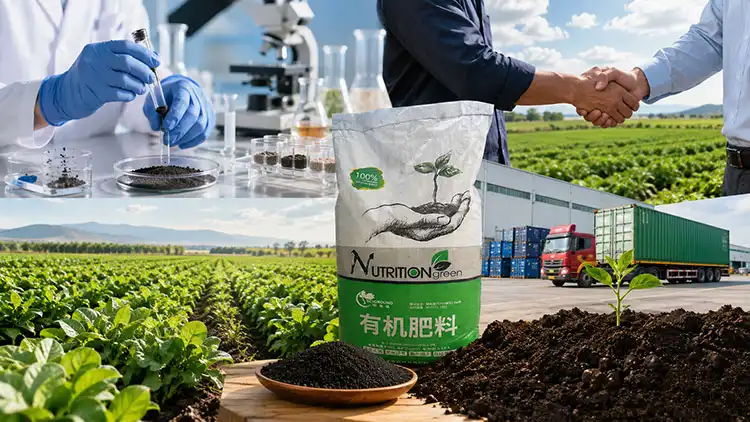
The Procurement Process: Steps to Successfully Partner with an Organic Fertilizer Supplier
Initiating Contact and Information Gathering
Ask about crop kinds, acreage, application methods, and order amounts. Request product specifics with assured analysis, application, and storage recommendations from your Organic fertilizer supplier. Because mass shopping may unlock preferential prices and expert account management, set minimum purchase volumes early. In early negotiations, evaluate supplier responsiveness and technical knowledge. Partnership-oriented suppliers probe soil conditions, fertility programs, and production objectives. Sciground provides technical help from site selection to harvest, going beyond product sales.
Negotiating Terms and Quality Assurances
Contract guarantees should be negotiated. Set nutritional analysis variance and nonconforming batch handling as product acceptance requirements. Professional suppliers sometimes deliver sample shipments or trial quantities for field confirmation before full-scale purchasing. Clarify logistics. Select whether the supplier ships or you do. Explain international Incoterms, customs documentation, and dispute settlement. Written agreements for long-term partnerships must include quality assurance to safeguard and hold parties accountable.
After-Sales Support and Relationship Maintenance
Service after delivery differentiates excellent suppliers from transactional ones. Quality partners advise on application timing, performance concerns, and crop response-based program adjustments. Sciground's frequent cultivation and field management technical broadcasts demonstrate this dedication to customer success beyond sales. Routinely communicate feedback and program modifications. Collaboration providers utilise performance data to improve formulations and application suggestions. This iterative development strategy improves cooperation and adapts your fertility program to changing agronomic circumstances and corporate goals.
Leveraging Industry Trends and Certifications for Long-Term Partnership Success
Current Market Dynamics and Innovations
The organic fertilizer sector experiences robust growth driven by consumer demand for sustainably produced food and regulatory pressure on synthetic inputs. Microbial-enriched formulations represent a significant innovation frontier, with nitrogen-fixing bacteria and phosphate-solubilizing fungi enhancing nutrient availability. Suppliers investing in biological research position clients at the forefront of regenerative agriculture practices. Just-in-time delivery models gain traction as farmers optimize working capital and storage requirements. Suppliers with distributed warehousing or flexible production scheduling accommodate these evolving procurement strategies. Technology adoption in precision application and soil monitoring creates opportunities for suppliers offering integrated fertility management solutions beyond commodity products.
Importance of Recognized Certifications
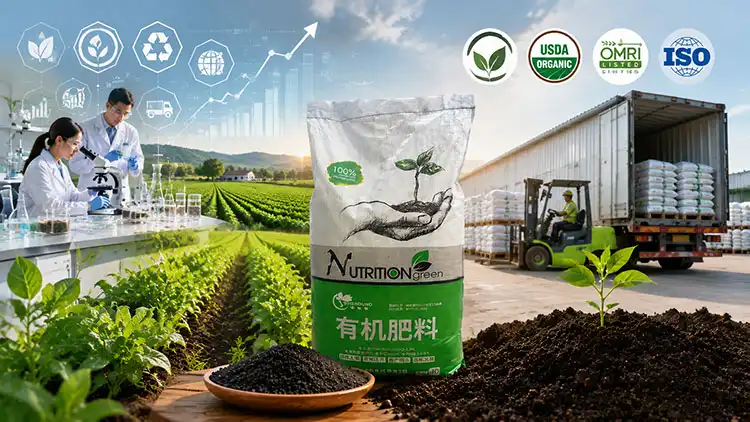
Certifications validate supplier credibility and facilitate market access for buyers serving organic channels. USDA Organic certification confirms compliance with National Organic Program standards, while OMRI listing verifies materials meet organic production requirements. ISO certifications signal quality management systems and process consistency valuable for large-scale operations demanding predictable product performance. Sciground's patent authorization for specialized Corydalis yanhusuo organic fertilizer demonstrates intellectual property development that differentiates premium suppliers. Such credentials indicate substantial investment in research and regulatory compliance, reducing procurement risk for commercial buyers. Verify certification validity through registry databases rather than relying solely on supplier claims.
Future-Facing Partnership Strategies
Enduring procurement success requires alignment on sustainability goals and innovation roadmaps. Suppliers committed to carbon footprint reduction, circular economy principles, and biodiversity enhancement position your operation favorably with environmentally conscious consumers and retailers. Evaluate whether potential partners track and report sustainability metrics, demonstrating accountability beyond regulatory minimums. Regulatory landscapes continue evolving toward stricter input standards and traceability requirements. Suppliers maintaining proactive compliance programs and transparent supply chains mitigate disruption risk. Technology integration in inventory management, application optimization, and performance tracking will increasingly define competitive advantage in supplier relationships.
Building a Trusted Partnership: Practical Tips and Real-World Examples
Establishing Communication and Transparency
Communicating and being accountable build lasting connections. Regular company reviews with your Organic fertilizer supplier should evaluate performance against KPIs, analyse market changes, and explore seasonal needs. Sharing production or supply issues with your Organic fertilizer supplier allows collaborative problem-solving rather than reactive crisis management. Feedback systems enable ongoing development. Sharing field performance, crop response, and economic data helps providers improve formulations and suggestions. Progressive suppliers see this input as product development intelligence rather than criticism, enabling mutually beneficial innovation.
Customization Capabilities and Agronomic Support
Custom fertiliser mixes for particular soil and crop circumstances outperform generics. Customisation suppliers are technically advanced and client-focused. Sciground's agricultural research-based medicinal herb and fruit tree products demonstrate this. Product value increases with agronomic help. After 20 years of organic fertiliser research at Sciground, Professor Liang Dejun advises customers throughout production cycles. This collaborative strategy turns suppliers into strategic consultants, improving operational efficiency and profitability beyond fertiliser performance.
Success Stories and Measurable Outcomes
Actual examples demonstrate supplier strengths and relationship prospects. Farmers working with research-backed providers like Sciground report better soil structure, insect pressure, and crop quality. These results lead to higher pricing and lower input costs, proving ROI. Commercial operations benefit from reliable supply and predictable product performance. Suppliers that maintain quality control throughout seasonal demand swings allow precise production planning and risk management. Product quality and operational reliability generate sustained competitive advantages throughout numerous growth seasons.
Conclusion
Working with a top organic fertiliser provider needs careful consideration of certifications, manufacturing capacity, and sustainability. Through openness, technical assistance, and shared success indicators, procurement becomes a collaborative effort. Your farm will be more productive and sustainable if you choose suppliers that invest in research, uphold quality standards, and provide agronomic advice. New organic inputs markets reward partnerships that innovate, comply with regulations, and care for the environment.
FAQ
1. How do I verify an organic fertilizer supplier's certifications?
Request copies of current USDA Organic certificates, OMRI listings, or ISO certifications directly from the supplier. Verify authenticity through official databases maintained by certifying organizations. Legitimate suppliers provide batch-specific test results and maintain transparent documentation of their production processes and raw material sourcing.
2. What are typical lead times for bulk organic fertilizer deliveries?
Lead times vary based on order volume, customization requirements, and shipping distances. Standard formulations typically ship within 2-3 weeks domestically, while custom blends may require 4-6 weeks for production and testing. International shipments add 3-4 weeks for logistics and customs clearance. Discussing seasonal demand patterns during initial negotiations helps suppliers allocate production capacity appropriately.
3. Can suppliers create custom-formulated organic fertilizers for specific crops?
Reputable suppliers with in-house research capabilities or academic partnerships offer custom formulation services. This process involves soil testing, crop requirement analysis, and trial production before commercial-scale manufacturing. Sciground's specialized formulations for medicinal herbs demonstrate this capability, having developed patent-authorized products through collaboration with agricultural research experts.
Partner with Sciground: Your Trusted Organic Fertilizer Supplier for Sustainable Agriculture
Sciground combines cutting-edge agricultural research with proven manufacturing expertise to deliver specialized Organic fertilizer supplier solutions tailored to your operational needs. Our collaboration with the Northwest Academy of Agricultural Sciences and over 20 years of development experience under Professor Liang Dejun ensure you receive scientifically validated formulations that enhance soil health and maximize yields. We offer comprehensive technical support from site selection through harvest, including live training sessions and ongoing agronomic guidance from your Organic fertilizer supplier. consultation. Whether you need specialized blends for high-value medicinal herbs or multi-element solutions for diverse cropping systems, our patent-authorized products meet rigorous quality standards while supporting sustainable farming practices. Contact us at [email protected] to discuss custom formulations, request product samples, or schedule a consultation. As a dedicated organic fertilizer manufacturer committed to ecological agriculture, we help farmers and commercial operations achieve consistent production excellence through innovative bio-organic solutions.
References
1. Smith, J.L., and Doran, J.W. (2020). Organic Fertilizers and Soil Quality: Principles and Practices. Agricultural Research Institute Press.
2. Chen, M., et al. (2021). "Economic and Environmental Benefits of Organic Fertilizer Adoption in Commercial Agriculture." Journal of Sustainable Agriculture, 45(3), 287-304.
3. United States Department of Agriculture (2022). National Organic Program: Certification and Compliance Guidelines. USDA Agricultural Marketing Service.
4. Martinez, R., and Thompson, K. (2019). Microbial Innovations in Organic Fertilizer Technology. International Society of Agricultural Sciences.
5. Wang, H., et al. (2023). "Customized Organic Fertilizer Formulations for Medicinal Herb Cultivation: A Case Study Approach." Agricultural Technology Review, 58(2), 112-128.
6. Organic Materials Review Institute (2022). OMRI Product Listing Standards and Verification Protocols. OMRI Publications Division.

Sciground
Shanrangde, in collaboration with a team of experts from the former Academy of Agricultural Sciences, focuses on developing patented organic fertilizers, including those specifically formulated for Corydalis rhizome. Chief expert Professor Liang Dejun, with over 20 years of industry experience, provides one-stop technical guidance from site selection to field management, helping farmers increase production and income.
Formulated by the original expert team from the Academy of Agricultural Sciences · Focused on organic nutrients specifically for crops
Contact us now to customize a green nutrition solution for your farmland.
Recommended Blog

What Makes Cordydalis Tuber Plant Fertilizer a Premium Choice?

What Factors Affect Silybum marianum Organic Fertilizer Price?

How Does Cordydalis Tuber Organic Fertilizer Improve Plant Resistance?

Why Is Wholesale Fruit Tree Organic Fertilizer Ideal for Tuber Crops?

How Should Cordydalis Tuber Organic Fertilizer Be Stored Safely?

