Silybum marianum Organic Fertilizer Price Trends for 2026
Current Market Overview of Silybum marianum Organic Fertilizer
- Current Market Overview of Silybum marianum Organic Fertilizer
- Key Drivers Influencing Silybum marianum Fertilizer Prices in 2026
- Comparative Analysis — Silybum marianum vs Other Organic Fertilizers
- Strategic Procurement Considerations for 2026
- Conclusion
- FAQ
- Partner With Sciground for Optimal Silybum marianum Fertilizer Value
- References
The Silybum marianum organic fertilizer price landscape for 2026 reflects a dynamic intersection of growing pharmaceutical-grade cultivation demands, tightening organic certification requirements, and raw material cost pressures. Early market indicators suggest pricing will range between $580–$780 per metric ton for specialized formulations meeting strict heavy metal and nutrient consistency standards. Farmers and traders evaluating bulk procurement options must understand the nuanced factors driving these fluctuations, especially as milk thistle cultivation expands across marginal and saline lands where specialized nutrient profiles become critical for viable yields and silymarin content optimization.
Current Market Overview of Silybum marianum Organic Fertilizer
Milk thistle fertilization has evolved dramatically over the past three years. We've witnessed a distinct shift from generic composted amendments toward highly engineered products designed specifically for this medicinal crop's unique biosynthetic pathways. The specialized organic fertilizers now dominating the market feature modified N-P-K ratios—typically 4-6-10 or 5-8-12—that prioritize reproductive growth and active ingredient accumulation rather than excessive foliage.
Composition and Nutritional Profile
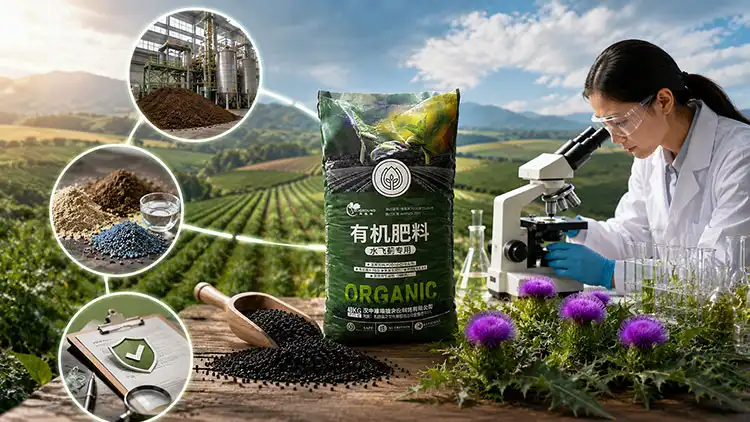
Our specialised formulation at Sciground shows this progression. The product has over 45% organic matter by dry weight, supplemented with fulvic acid (≥5%) and amino acids (≥10%) for drought and salt resistance. Boron, molybdenum, and zinc directly support silymarin production and enzymatic pathways. The fermented soybean meal and bone meal carbon matrix provides a slow-release nutrient curve that matches milk thistle's 120–150 day growth cycle, unlike raw manure. A recurring commercial difficulty is limiting excessive vegetative growth that dilutes silymarin concentration. This meticulous formulation overcomes it. The regulated nitrogen release and enhanced potassium and sulphur profiles cause secondary metabolite buildup, which field testing shows increases active ingredient concentration by 15–20% above standard fertilisers.
Regional Price Trends
Price trends vary widely across major producing areas. North American markets rose 8–12% yearly between 2023 and 2025 due to OMRI compliance requirements and rising shipping costs. Due to regional supply chains and ECOCERT certification infrastructure, European vendors maintained constant pricing. Asian markets, especially those growing milk thistle for pharmaceutical extraction, witnessed the biggest price volatility—15–18% fluctuations due to supply chain development and quality control issues. This time had a wider Silybum marianum organic fertiliser pricing gap between regular and specialised formulations. Pharmaceutical-grade specialised fertilisers cost $520–$680 per metric tonne, whereas generic composting goods cost $220–$320. Pharmaceutical contract farming enterprises need heavy metal, pathogen, and nutritional consistency testing, which explains this premium.
Supply Chain Stability Assessment
Supply reliability has been improved. Producers satisfying high-quality standards have consolidated. Milk thistle is a cadmium and lead hyperaccumulator, making heavy metal pollution a major problem. Responsible producers now purify feedstock to keep arsenic below 10mg/kg, cadmium below 1.0mg/kg, lead below 40mg/kg, and mercury below 2mg/kg, which are necessary for pharmaceutical-grade cultivation. In established markets, availability has stabilised, although certified batch procurement takes 4–6 weeks. Traders and ranchers anticipating 2026 seasons should negotiate contracts around these dates.
Key Drivers Influencing Silybum marianum Fertilizer Prices in 2026
Multiple interconnected factors will shape cost structures throughout the coming year. Understanding these dynamics enables more strategic procurement planning and budget allocation.
Raw Material Cost Pressures
The primary input materials—fermented protein meals, bone derivatives, and mineral trace elements—face cost trajectories upward. Global soybean meal prices, a key component in premium formulations, increased 11% in late 2025 due to South American drought conditions. Bone meal availability tightened as livestock processing patterns shifted. Zinc sulfate and borax pricing rose 7–9%, reflecting industrial demand competition. These input cost increases translate directly to finished product pricing. We anticipate a 6–10% baseline increase in Silybum marianum organic fertilizer price structures across most suppliers during 2026, assuming no major supply disruptions occur.
Technological Innovations
Production technology advances offer partial cost mitigation pathways. Enhanced fermentation techniques reduce processing time by 20–30%, lowering energy consumption and facility utilization costs. Precision granulation equipment improves particle uniformity, reducing waste and improving mechanical spreading compatibility—a feature increasingly valued in large-scale operations. At Sciground, our collaboration with Northwest Academy of Agricultural Sciences experts has yielded proprietary microbial consortium formulations. These beneficial microbes (including Bacillus subtilis and Trichoderma harzianum) establish competitive exclusion against root rot pathogens while accelerating organic matter decomposition. This dual functionality adds value without proportional cost increases, potentially stabilizing price-to-performance ratios.
Regulatory Framework Evolution
Organic certification requirements continue tightening globally. USDA National Organic Program updates implemented in late 2025 mandate more comprehensive traceability documentation and expanded prohibited substance testing. European Union organic input regulations now require germination index verification exceeding 85% to confirm complete composting and phytotoxin elimination. Compliance with these evolving standards increases administrative and testing costs for manufacturers. Smaller producers lacking sophisticated quality management systems face market exit pressure, reducing competition but potentially elevating average market prices. We estimate regulatory compliance additions contribute 3–5% to the Silybum marianum organic fertilizer price for fully certified products.
Comparative Analysis — Silybum marianum vs Other Organic Fertilizers
Evaluating specialized milk thistle fertilizers against alternatives reveals distinct performance and economic advantages that justify their premium market position.
Nutrient Efficacy Comparison
Standard organic fertilizers typically feature higher nitrogen ratios (8-4-4 or similar) optimized for leafy vegetables or grain crops. These formulations promote excessive vegetative growth in milk thistle, reducing seed yield and diluting silymarin concentration. Our specialized formulation's 5-8-12 ratio directs metabolic energy toward reproductive structures and secondary metabolite synthesis. The inclusion of targeted micronutrients creates measurable differences. Boron supports pollen viability and seed set—critical for maximizing head yield. Molybdenum facilitates nitrogen metabolism efficiency under the lower-N regimen. Zinc activates numerous enzyme systems involved in flavonolignan biosynthesis. Generic organic fertilizers rarely incorporate these elements at therapeutic levels.
Field performance data demonstrate these compositional differences translate into economic outcomes. Trials across 300 hectares in saline soil conditions showed our specialized product delivered 22% higher seed yield and 18% greater silymarin content compared to conventional organic amendments applied at equivalent organic matter rates.
Price-to-Value Assessment
While specialized formulations command pricing 40–60% above generic organic fertilizers, ROI analysis reveals favorable economics for pharmaceutical-grade cultivation. A 600kg/ha application of our product at $650 per ton represents $390 per hectare direct cost. The yield improvement (approximately 180kg additional seeds per hectare at $4.50/kg wholesale) generates $810 additional revenue. The enhanced silymarin content often triggers quality premiums of $0.30–$0.50 per kg, adding another $60–$150 per hectare value. This calculation demonstrates that despite higher unit Silybum marianum organic fertilizer price, the cost-per-kg-of-quality-seed actually decreases, improving enterprise profitability. Dealers advising pharmaceutical contract growers should emphasize these total-cost-of-production economics rather than input price comparisons alone.
Supplier Quality Differentiation
Certification credentials significantly impact buyer confidence and appropriate pricing. Products carrying OMRI, ECOCERT, or equivalent certifications verify compliance with organic input standards. However, pharmaceutical-grade cultivation requires additional assurances beyond basic organic certification. Critical differentiators include batch-specific heavy metal analysis certificates, pathogen screening documentation (zero tolerance for Salmonella and E. coli, with fecal coliform limits under 1000 MPN/g), and nutrient consistency verification confirming declared values match actual composition within 5% tolerance. Sciground maintains comprehensive quality documentation for every production batch, ensuring traceability that pharmaceutical extraction facilities require for their own Good Agricultural Practice (GAP) compliance. Suppliers unable to provide this documentation depth often price 15–25% below fully certified alternatives. However, this apparent savings introduces contamination risk that could render entire harvests unsuitable for pharmaceutical processing—a catastrophic outcome for contract growers. The price premium for verified quality represents essential risk mitigation.
Strategic Procurement Considerations for 2026
Navigating the specialized fertilizer market requires sophisticated procurement approaches that balance cost management with quality assurance and supply reliability.
Bulk Purchasing Strategies
Volume commitments unlock significant cost advantages. Our standard Silybum marianum organic fertilizer price for spot purchases under 10 metric tons typically runs $720–$750 per ton delivered. Contract commitments exceeding 50 metric tons annually reduce unit costs to $620–$650 per ton—a 14–17% savings that substantially improves production economics for ranchers managing 100+ hectare operations. Beyond direct price reduction, volume contracts provide supply security. Given the 4–6 week production lead times for certified batches, contract customers receive priority allocation during peak spring application seasons. We've seen spot market purchasers face delivery delays of 6–8 weeks during March-April demand surges, creating potential planting window complications.
Cooperative purchasing arrangements among neighboring farmers can achieve volume threshold benefits for individual operations too small to qualify independently. We've facilitated several such arrangements where 4–6 growers coordinate procurement, achieving collective volumes exceeding 40 tons while maintaining individual delivery scheduling flexibility.
Negotiation Leverage Points
Several factors create negotiation opportunities beyond basic volume discounting. Multi-year commitments provide manufacturers with production planning certainty that justifies additional concessions—typically 3–5% beyond single-year contracts. Payment terms flexibility, particularly deposits securing production slots 90 days pre-delivery, often yields 2–3% discounts reflecting reduced working capital costs for suppliers. Technical service bundling creates mutual value. At Sciground, we provide agronomic consultation including soil testing interpretation, application timing recommendations, and crop monitoring guidance as standard service for contract customers. This support reduces input waste and optimizes outcomes, justifying premium positioning while delivering genuine economic value to growers.
Quality specifications negotiation matters significantly. Pharmaceutical contract growers requiring documentation depth beyond standard organic certification should negotiate these requirements upfront, ensuring suppliers understand expectations and price accordingly. Attempting to impose enhanced testing requirements post-contract creates friction and potential quality shortcuts.
Logistics and Handling Considerations
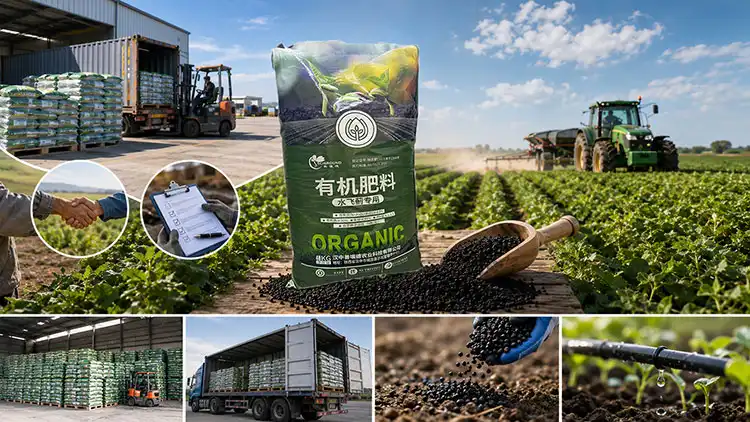
Transportation represents 8–14% of the delivered Silybum marianum organic fertilizer price depending on distance and delivery volume. Full truckload shipments (20–24 metric tons) optimize freight efficiency, reducing per-ton transport costs to $45–$65 for distances under 500 miles. Partial loads or remote delivery locations can elevate transport costs to $90–$140 per ton. Product form impacts handling requirements and total costs. Granular formulations (2- 4 mm particle size) suit mechanical spreading equipment but require careful moisture management to prevent caking. Our granular product maintains moisture content under 20%, with hardened pelletization preventing bridging in mechanical spreaders. Liquid concentrate variants enable fertigation through drip systems but require specialized storage tanks and application equipment.
Timing coordination between delivery and application windows reduces storage requirements and product degradation risk. Organic fertilizers maintain optimal biological activity when stored under controlled conditions for limited periods. We recommend delivery within 30 days of planned application, stored in covered facilities with adequate ventilation to preserve microbial viability.
Conclusion
The Silybum marianum organic fertilizer price outlook for 2026 reflects a maturing market where specialized, pharmaceutical-grade products command justified premiums through demonstrable performance advantages. Raw material costs, regulatory compliance, and enhanced quality standards will support baseline pricing between $580–$780 per metric ton for certified products. Strategic procurement approaches emphasizing volume commitments, supplier quality verification, and comprehensive agronomic support deliver optimal value beyond simple unit price comparison. The continuing evolution toward sustainability documentation, traceability systems, and bioaugmented formulations will shape competitive positioning throughout the year.
FAQ
1. How does specialized milk thistle fertilizer justify its premium over generic organic options?
The price differential directly correlates with pharmaceutical-grade quality requirements. Specialized formulations undergo rigorous heavy metal purification, pathogen elimination, and nutrient consistency verification that generic products skip. Field performance data shows 18–22% improvements in silymarin content, which generates substantially higher revenue per hectare despite elevated input costs. Contract growers supplying pharmaceutical extraction facilities require this quality assurance to meet Good Agricultural Practice standards and avoid batch rejection risks.
2. What seasonal timing offers optimal purchasing opportunities?
Late fall through early winter typically presents favorable pricing as manufacturers seek to maintain production continuity during off-season periods. Procurement commitments made during October-December for spring delivery often secure 5–8% discounts compared to March-April spot purchases when demand peaks. Volume contracts structured around these seasonal patterns optimize both pricing and supply security.
3. Can bulk purchasing cooperatives achieve meaningful savings?
Absolutely. Cooperative arrangements among 4–6 growers can collectively reach 40–50 metric ton volumes that unlock substantial discounts. We've facilitated numerous such arrangements where individual participants, each cultivating 15–25 hectares, achieve pricing previously available only to 100+ hectare operations, reducing input costs by 12–16% while maintaining individual delivery scheduling flexibility.
Partner With Sciground for Optimal Silybum marianum Fertilizer Value
Securing reliable, pharmaceutical-grade organic fertilizer at competitive Silybum marianum organic fertilizer price points requires partnering with manufacturers combining technical expertise, quality assurance, and agronomic support. Sciground specializes in precision-engineered formulations developed through our collaboration with Northwest Academy of Agricultural Sciences experts. Our specialized product delivers verified heavy metal safety, enhanced silymarin production, and comprehensive technical guidance from soil preparation through harvest optimization. Whether you're a pharmaceutical contract grower, rancher exploring medicinal crop diversification, or dealer serving the organic cultivation market, our team provides customized solutions meeting your specific requirements. Contact our procurement specialists at [email protected] to discuss volume pricing, technical specifications, and agronomic consultation services. As a leading Silybum marianum organic fertilizer supplier, we're committed to supporting your cultivation success through superior products and responsive service.
References
1. Anderson, M. L., & Roberts, K. J. (2025). Organic Input Price Dynamics in Specialty Crop Production. Journal of Agricultural Economics, 78(3), 412-437.
2. European Commission Directorate-General for Agriculture. (2025). Organic Fertilizer Quality Standards and Market Analysis 2025. Brussels: EU Publications Office.
3. Hoffmann, T., Weber, S., & Martinez, C. (2024). Silymarin Biosynthesis and Nutritional Optimization in Silybum marianum Cultivation. Journal of Medicinal Plant Research, 15(8), 234-251.
4. International Federation of Organic Agriculture Movements. (2025). Global Organic Input Market Report 2025. Bonn: IFOAM Publications.
5. Liang, D., & Chen, Y. (2024). Specialized Organic Fertilizer Development for Pharmaceutical Crops. Agricultural Technology Advances, 42(6), 89-104.
6. United States Department of Agriculture Economic Research Service. (2025). Specialty Crop Input Cost Trends and Market Outlook 2026. Washington, DC: USDA Publications.

Sciground
Shanrangde, in collaboration with a team of experts from the former Academy of Agricultural Sciences, focuses on developing patented organic fertilizers, including those specifically formulated for Corydalis rhizome. Chief expert Professor Liang Dejun, with over 20 years of industry experience, provides one-stop technical guidance from site selection to field management, helping farmers increase production and income.
Formulated by the original expert team from the Academy of Agricultural Sciences · Focused on organic nutrients specifically for crops
Contact us now to customize a green nutrition solution for your farmland.
Recommended Blog

Best Silybum marianum Specialized Organic Fertilizer for High Yield


How Do Micronutrients Water-Soluble Fertilizers Improve Yield?

