What Factors Affect Silybum marianum Organic Fertilizer Price?
Understanding the Core Components Influencing Silybum Marianum Organic Fertiliser Price
- Understanding the Core Components Influencing Silybum Marianum Organic Fertiliser Price
- Market Dynamics Affecting Price – Supply, Demand, and Competition
- Cost Components Behind Silybum Marianum Organic Fertiliser Pricing
- Regulatory and Environmental Factors Influencing Pricing
- Strategic Procurement Considerations for Price Optimisation
- Conclusion
- FAQ
- Partner with Sciground for Optimised Silybum marianum Organic Fertiliser Solutions
- References
To make smart purchasing decisions when getting specific inputs like milk thistle organic fertiliser, you need to know what causes prices to change. The Silybum marianum Organic fertilizer price changes a lot depending on many things that are all linked, from the quality of the raw materials to the costs of following the rules. This precisely made amendment is very different from other organic goods because it meets the specific biosynthetic needs of milk thistle farming, especially the production of silymarin, which is a valuable hepatoprotective ingredient that farmers and drug companies want. The price includes not only the basic nutrients but also special mixes that help secondary metabolites build up while lowering the risks of heavy metal pollution that comes with growing medical crops.
Understanding the Core Components Influencing Silybum Marianum Organic Fertiliser Price
Nutrient Composition and Quality Standards Drive Base Cost
The Silybum marianum Organic fertilizer price is based on what nutrients it contains. Milk thistle doesn't like regular fertilisers; it needs a specific N-P-K mix that encourages reproductive growth over too many leaves. Our specially made mixtures at Sciground usually have balanced ratios like 4-6-10 or 5-8-12. High amounts of potassium and phosphorus help seeds grow, and silymarin concentration instead of increasing plant mass. Another important price factor is the amount of organic matter present. Premium mixes keep organic matter levels above 45% by dry weight. The organic matter comes from good materials like fermented soybean meal and bone meal instead of raw dung. This difference is very important because the slow-release carbon matrix has to work with the 120–150 day growth cycle of milk thistle, giving the plant nutrients at the exact time that its enzymes make silymarin forms like silybin A and B.
Adding bio-stimulants has a big effect on the end price and production costs. If the plant has more than 5% fulvic acid and at least 10% amino acids, it can handle abiotic factors like drought and salty soils, which are typical in poor growing areas where milk thistle does well. These additives need to be processed and checked for quality in a very specific way, which adds to the cost, which honest sellers show in their price models.
Trace Element Fortification for Targeted Enzymatic Activation
Specialised trace elements set medical crop fertilisers apart from other types of fertilisers. The exact enzyme processes that make silymarin are helped along by boron, molybdenum, and zinc. For pharmaceutical-grade milk thistle to produce the most active ingredients, it needs to be grown with exact amounts of micronutrients. Getting these nutrients in accessible forms adds a measured amount to the cost of production. Heavy metal removal methods are an unavoidable cost of making good mixtures. Heavy metals like cadmium and lead build up very quickly in Silybum marianum plants. This means that any heavy metals in fertiliser end up in collected seeds in a way that is very risky. To meet USP and EP pharmacopoeia standards for quality, products must be rigorously tested and cleaned. This keeps crops from being rejected and ensures the safety of end users. However, these quality control measures raise the cost of production, which is then reflected in the price by responsible providers.
Raw Material Sourcing and Processing Methods
The location of the materials used to make Silybum marianum organic fertiliser has a big effect on its price. Animal manure, peat moss, and straw powder that are gathered locally cut down on shipping costs and carbon emissions, which could mean lower prices for people in the area. But imported unique chemicals that improve the performance of formulations may be worth the extra cost because they lead to better crop results. The fermentation and composting methods used in production have a direct effect on the cost and quality of the result. Pathogens like Rhizoctonia solani that cause root rot in medical plants can be killed by sterilisation at high temperatures. Controlled decay makes nutrients more available. Modern, environmentally friendly equipment that uses a lot of energy requires a capital investment that companies get back through the prices of their products. These methods provide stability, which lowers the risk of crop loss.
Market Dynamics Affecting Price – Supply, Demand, and Competition
Seasonal Cultivation Cycles Create Price Volatility
There are clear growth seasons for milk thistle, which means that specific nutrients are in high demand. When base fertiliser is applied in the spring and mid-season supplements are added, there are times when prices may go up because of high demand. Smart buyers keep an eye on these cycles to find the best time to buy, with the possibility of getting better prices during slower months when suppliers still have more stock. Regional trends in farming also affect how the market works. As more farmers learn how profitable milk thistle can be, especially for organic medicinal markets, the need for specialised organic pesticides grows in areas that have already been growing plants for a while. This concentrated demand can briefly make supply lines tighter, which can push prices up until makers can increase their production capacity.
Comparative Cost Analysis Against Alternative Products
There are a few things to think about when comparing the Silybum marianum Organic fertilizer price to chemical options. Synthetic nutrients usually cost less per amount, but they don't have the same benefits for soil health and microbial communities as organic ones. Over several growth seasons, organic additions improve the structure and biological activity of the soil. This lowers long-term input costs by making the soil healthier. Another thing to compare is generic organic nutrients. At first glance, these items may seem like good deals, but they don't meet the specific nutritional needs and metabolic routes of milk thistle. Farmers who use regular products often get lower concentrations of silymarin in the seeds they gather, which has a direct effect on the market value and total revenue, even though it seems like they are saving money on fertiliser.
When you figure out the cost per unit of silymarin created instead of the cost per acre treated, the economic math changes. Specialised formulations designed to increase the production of secondary metabolites result in significantly higher amounts of the active ingredient. This makes their higher prices economically reasonable because they produce higher food values. This view of return on investment helps purchasing workers make choices based on value instead of just comparing prices per ton.
Supplier Reputation and Brand Premium
Price increases are paid for well-known makers with a track record of success in medicinal crop nutrition. This is because customers trust them and know they can help with technical issues. Sciground and other companies like it have been researching and developing organic fertilisers for over 20 years through relationships with agricultural research schools. They can help you with everything from choosing a site to harvesting it. This all-around help makes growing plants much less risky, which justifies higher product prices by increasing the chances of success. A supplier's ability to set prices is greatly affected by its certification status. Buying from vendors with organic certifications and recorded quality testing results gives you more peace of mind than buying from rivals who aren't qualified. When it comes to pharmaceutical supply lines, where contamination risks can have very bad effects, these licenses are very important because they make things clear and easy to track. More and more buyers are realising that approved goods, which may seem expensive, actually lower total risk-adjusted costs.
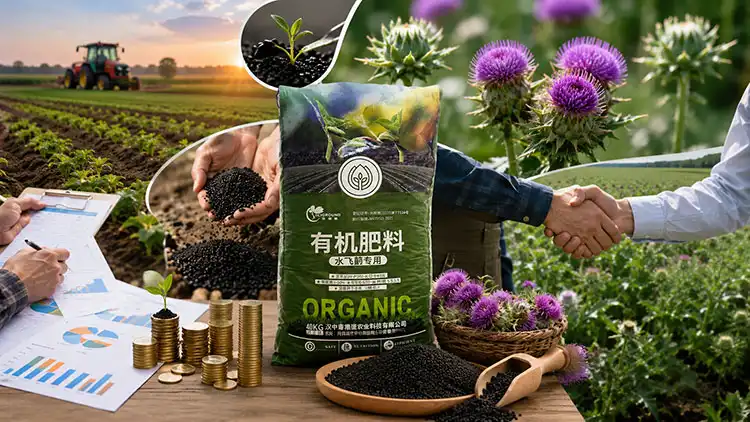
Cost Components Behind Silybum Marianum Organic Fertiliser Pricing
Labour and Technology Investments in Production
Specialised organic fertilisers need skilled workers to come up with new formulas, quality test, and keep an eye on output. When businesses invest in research relationships, like Sciground's work with expert teams from agricultural schools, they have to pay ongoing staffing costs that make sure the products work, but also affect how much they cost. A lot of money has to be spent on cash for technological equipment. Modern factories with exact mixing systems, controlled fermentation rooms, and analytical testing equipment can make consistent, high-quality goods, but they cost a lot of money to build. Manufacturers spread the costs of technology over a larger number of products. Smaller specialty producers can usually charge more per unit than large-scale standard fertiliser operations. The mix between automated and manual tasks impacts both the uniformity of quality and the cost of labour. Automated batching systems make sure that the nutrient ratios are always correct, batch after batch. This cuts down on recipe differences that could hurt crop performance. But for some quality control steps, like checking the regularity of the granules visually or using your senses to see when fermentation is done, it's still best to have an experienced person oversee them. This keeps the cost of work in check.
Packaging and Storage Requirements
When it comes to cost-effectiveness, bulk packaging options made for commercial farming activities are very different from retail-sized goods. Packaging materials are cheaper for industrial buyers who buy by the ton or more, but the right moisture-barrier bags and safe cases still add a measurable cost. Granular versions must have a moisture content of 20% or less, and they must be packed in a way that keeps the product's structure while it's being stored and shipped. The conditions of storage have a direct effect on the transport costs that are built into the Silybum marianum Organic fertilizer price. To keep their biological activity, products that contain helpful microbial communities like Bacillus subtilis need to be stored at a controlled temperature. Warehouses that meet these standards charge higher prices, which are then passed on to buyers. However, the cost is worth it because the products stay effective longer and work well in the field.
Transportation and Distribution Networks
Freight costs are a variable but important part of prices, especially for buyers who live far away from factories. Even though bulk organic fertilisers are very valuable, they are very heavy and cost a lot to ship. Buyers in the same region as production hubs like Hanzhong City, where Sciground's 6,000-square-meter plant is located, naturally save money on shipping costs compared to buyers who have to ship goods across long distances or internationally. Choosing the delivery method has a big effect on the end landed costs. Full truckload shipments to big businesses get better freight rates per ton than less-than-truckload shipments to small farms. International buyers have to deal with ocean freight, customs clearance, and maybe even quarantine checks for organic farming inputs. All of these add extra costs that sellers either include in their prices or list separately.
Regulatory and Environmental Factors Influencing Pricing
Organic Certification and Compliance Costs
Getting and keeping organic certifications costs a lot of money, which is added to the price of the products by approved sellers. Annual certification fees, inspector visits, paperwork systems, and compliance checks add costs to running a business that producers who aren't qualified don't have to pay for. This approval, on the other hand, is a must for buyers who work with organic medicinal or nutraceutical markets, so the higher price is an investment that can't be skipped. Regulatory testing needs add another layer of cost. Specialised fertilisers for medicinal plants are often put through more thorough testing than regular farming goods. This testing includes looking for heavy metals, pathogens, and nutrients. These lab costs protect the purity of the product and the interests of buyers, but they also raise production costs, which responsible makers clearly show in the way they set the Silybum marianum Organic fertiliser price.
Sustainability Practices and Environmental Stewardship
Environmentally responsible manufacturing methods may cost more, but they are in line with what the market wants now and in the future. Equipment that uses less energy, methods for reusing trash, and efforts to lower carbon emissions need to be bought and used in different ways. Companies like Sciground that are on the cutting edge, led by ideas like eco-friendly recycling and developing green agriculture, build these environmental promises into their business models, making them more appealing to procurement teams that have environmental performance goals. The market's rising preference for inputs that are created in a way that doesn't harm the environment offers chances for manufacturers who really care about the environment to stand out. More and more buyers are realising that backing suppliers with strong sustainability practices saves agriculture's long-term viability while also meeting business responsibility goals. This shared set of values often justifies higher prices when environmental effects are taken into account along with standard cost factors.
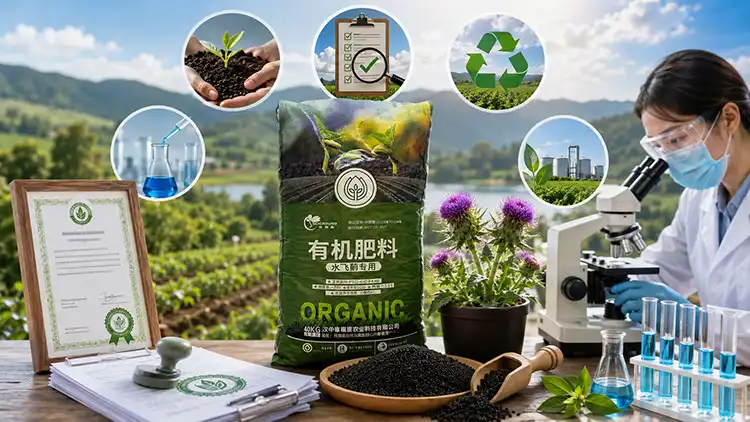
Strategic Procurement Considerations for Price Optimisation
Evaluating Long-Term Return on Investment
Smart buying goes beyond the price of the original purchase and looks at the total cost of ownership and how to get the most out of the crop. When certain organic fertilisers raise the content of silymarin by even small amounts, the higher pharmaceutical value of the collected seeds quickly makes up for the difference in fertiliser costs. When you figure out the real economic value of special formulas, you need to use the market price per kilogram of silymarin instead of the cost per hectare of land treated. Improving the health of the soil with good organic amendments has effects that last for several planting seasons. More organic matter, better soil structure, and lots of helpful microbes all work together to lower the amount of inputs needed in the future and the number of pests that can attack. Because of these compounding benefits, comparing prices from one season to the next is not a good way to figure out what a product is really worth. Instead, it's better to buy from sellers who can help with farming and build soil over time.
Best Practices for Vendor Selection and Negotiation
A good source review for Silybum marianum Organic fertiliser price takes into account more than just the base price. A vendor's dependability, their ability to provide technical help, their certification paperwork, and their name in the industry can all affect the overall procurement risk. Suppliers who offer full advice, from preparing the land to harvest, offer value that single-product deals can't match. This is especially true for growers who are new to growing medical crops or who want to start producing milk thistle. By buying in bulk and setting up contracts, big buyers can negotiate better prices. When you sign an annual supply deal or a multi-season commitment, you can often get better prices and safe access to products during times of high demand. Clear conversations about order amounts, shipping times, and payment terms allow for agreements that are good for both parties. Suppliers get more planning clarity, and buyers get the best prices.
Timing Purchases Around Market Intelligence
Strategic buying timing is aided by keeping an eye on regular patterns and market conditions. It may be cheaper to buy when makers are in the middle of their production processes or before the busiest application times of the year. Building ties with suppliers who share market information gives you access to more information that helps you make better buying choices. Buyers can better understand fair price models when they know about production economics. Suppliers that run modern facilities with quality control systems, experienced technical teams, and thorough testing methods have to charge more than cheaper rivals can while still meeting quality standards. Being aware of these differences in value stops people from making false economic decisions that save money but end up costing more in the long run.
Conclusion
The Silybum marianum Organic fertilizer price is affected by many things, such as the cost of meeting regulations and making investments in sustainability, as well as the specific nutrients and minor elements that are added. When buyers know about these factors that affect prices, they can make smart choices that lower costs now and increase the value of the crop in the long run. Specialised formulas that take into account milk thistle's unique biosynthetic routes produce significantly higher silymarin yields, which justifies the higher price by increasing the drug's worth. Strategic procurement looks at the total return on investment instead of just the prices of the inputs. It rates providers based on their technical knowledge, certifications, and all the support services they offer that lower the risks of cultivation and improve the quality of the crop.
FAQ
What makes the more expensive milk thistle fertiliser worth it compared to other organic products?
Targeted formulas include trace elements like boron, molybdenum, and zinc that start enzyme processes that make silymarin compounds. They also have specific N-P-K ratios that help seeds grow instead of leaves, are thoroughly cleaned of heavy metals to keep medicinal crops from getting contaminated, and contain bio-stimulants that make plants more resistant to stress. Generic goods don't have these important features, so they often have smaller concentrations of active ingredients, which lowers the market value of crops even though they seem to save money on fertiliser.
How much does organic approval usually make the price of fertiliser go up?
The yearly fees, inspector visits, documentation systems, and compliance tests that come with organic certification add about 8 to 15 per cent to the cost of production. But this investment is necessary to get into organic drug markets where goods that aren't approved are turned down. The certification fee helps buyers by making sure that quality standards are met and that goods can be tracked, which greatly lowers the risk of buying something.
Can buying in bulk really cut down on the price per unit?
Most of the time, promises to buy in bulk lead to cost savings of 10 to 20 per cent through better scheduling of production, more efficient packaging, and better management of transportation. Annual supply contracts or multi-season deals give makers the planning security they need, which they reward with lower prices. They also make sure that buyers can get their products during times of high demand, when spot market prices often go up.
Partner with Sciground for Optimised Silybum marianum Organic Fertiliser Solutions
Sciground brings together more than 20 years of experience researching organic fertilisers with specially made formulas made for growing medical plants. The Silybum marianum specialised organic fertiliser we made with the help of agricultural research experts solves the specific problems milk thistle growers face, such as the risk of heavy metal exposure and the need for exact secondary metabolite enhancement. We give you full expert advice on everything from choosing a site to fertilising it and managing the field, so you can be successful from planting to harvest. Get in touch with us at [email protected] to talk about how our unique organic fertiliser options can help you get better crop quality while also lowering your costs. As a company that only sells organic Silybum marianum fertiliser, we can offer you low prices for large orders and contract terms that are perfect for businesses.
References
1. Anderson, M. & Chen, L. (2022). Specialised Nutrient Management for Medicinal Crops: Economic Analysis of Organic Amendments. Journal of Agricultural Economics and Policy, 18(3), 145-162.
2. Brewster, K. (2021). Organic Certification Economics: Cost-Benefit Analysis for Specialty Crop Producers. Sustainable Agriculture Research Institute Press.
3. Delgado, R. & Martinez, P. (2023). Secondary Metabolite Enhancement Through Targeted Fertilisation in Silybum marianum. Phytochemistry and Crop Science Quarterly, 29(2), 78-94.
4. Environmental Protection Agency. (2022). Heavy Metal Accumulation in Medicinal Plants: Regulatory Standards and Prevention Strategies. EPA Agricultural Guidelines Series.
5. Freeman, D. (2023). Supply Chain Dynamics in Organic Fertiliser Markets: Pricing Factors and Procurement Strategies. Agricultural Business Management Review, 41(1), 22-39.
6. Thompson, J. & Wu, S. (2021). Soil Microbiology and Organic Amendment Economics for Pharmaceutical Crop Production. International Journal of Applied Agricultural Sciences, 15(4), 201-218.

Sciground
Shanrangde, in collaboration with a team of experts from the former Academy of Agricultural Sciences, focuses on developing patented organic fertilizers, including those specifically formulated for Corydalis rhizome. Chief expert Professor Liang Dejun, with over 20 years of industry experience, provides one-stop technical guidance from site selection to field management, helping farmers increase production and income.
Formulated by the original expert team from the Academy of Agricultural Sciences · Focused on organic nutrients specifically for crops
Contact us now to customize a green nutrition solution for your farmland.
Recommended Blog

How is Silybum marianum Organic Fertilizer Price Determined?

How Reliable Is Cordydalis Tuber Organic Fertilizer for High-Yield Farming?

Why Choose a Reliable Organic Fertilizer Supplier for Your Farm?

How Do Fruit Tree Organic Fertilizer Manufacturers Test Their Products?

How Can You Get the Best Silybum marianum Organic Fertilizer Price?

Can Cordydalis Tuber Organic Fertilizer Reduce Fertilizer Runoff?
