Can Wholesale Fruit Tree Organic Fertilizer Reduce Production Costs?
Understanding Wholesale Fruit Tree Organic Fertilizer
- Understanding Wholesale Fruit Tree Organic Fertilizer
- How Wholesale Organic Fertilizer Can Reduce Production Costs
- Choosing the Right Wholesale Organic Fertilizer for Fruit Trees
- Best Practices for Using Wholesale Organic Fertilizer on Fruit Trees
- Streamlining Bulk Procurement and Supply Chain Management
- Conclusion
- FAQ
- Partner with Sciground for Cost-Effective Organic Fertilizer Solutions
- References
Wholesale Fruit Tree Organic Fertiliser is a tried-and-true way to lower production costs and increase farm profits. Farmers can get big price cuts on organic fertiliser by buying it in bulk. This is called economies of scale, and it lowers their per-acre input costs. These natural additions improve the health of the soil over time, so it doesn't need as many expensive chemical treatments and doesn't have to be fixed up as often, which saves money. Better nutrient retention means healthy trees that are less likely to get diseases, which lowers the cost of pest control. Studies show that trees that use bulk organic fertiliser see yield growth of 15 to 20 percent while spending up to 30 percent less on fertiliser overall over three growing seasons.
Understanding Wholesale Fruit Tree Organic Fertilizer
Wholesale fruit tree organic fertilizers represent a category of natural soil amendments specifically engineered for perennial fruit-bearing trees including citrus, stone fruits, pome fruits, and tropical varieties. Unlike conventional chemical alternatives, these bio-active formulations address the complex nutritional demands throughout the entire phenological cycle—from dormancy breaking through fruit expansion and harvest recovery.
Composition and Nutrient Profile
Good organic fertiliser for fruit trees has humified organic matter from plant waste, composted animal dung, and mineral-rich materials such as leonardite. The mixture usually keeps the organic matter level above 45%, which improves soil structure and microbe activity much better. Balanced NPK ratios, like 5-5-5 or potassium-rich types like 4-3-8, help fruits grow without creating nutritional mismatches that happen with manmade choices. When humic acids are present in amounts higher than 10%, they bind to heavy metals and make nutrients more available. Fulvic acids help cells move things around, which makes it easier for trees to take in important nutrients. Trace elements, such as chelated calcium, magnesium, boron, and zinc, help with common health problems like bitter pit and cork spot that make fruit less valuable and less likely to sell.
Physical and Chemical Parameters
Professional-grade bulk organic fertiliser comes in two forms: granules (2-4 mm) that can be spread by hand, or liquid solutions that can be used with fertigation systems. The moisture level must stay below 20% at all times to stop caking and the growth of pathogens while the product is being stored and shipped. The best carbon-to-nitrogen ratio is between 15:1 and 20:1. This makes sure that nitrogen is available without causing nitrogen theft, which slows tree growth. These mixtures greatly raise Cation Exchange Capacity, which makes it easier for the earth to hold on to nutrients and release them when trees need them. This ability to buffer shields against sudden changes in pH that stress root systems and make it hard for them to take in nutrients. The production of secondary substances like flavonoids and terpenes is increased, which directly improves the smell, taste, and market appeal of food.
How Wholesale Organic Fertilizer Can Reduce Production Costs
Production expenses in commercial orchards depend heavily on fertilizer procurement and the subsequent impact on soil vitality and tree health. Traditional chemical fertilizers provide immediate nutrient availability but create long-term liabilities that escalate operational costs.
Economic Advantages of Bulk Purchasing
When you buy Wholesale Fruit Tree Organic Fertiliser in bulk, you can take advantage of economies of scale that make unit costs much lower. When farmers buy in bulk, sellers give them big savings compared to market prices, usually between 20 and 40%. Logistics costs go down when shipping is consolidated, and handling and management costs go down when there are fewer deliveries. Large-volume contracts keep prices stable even when the market changes, which lets you make accurate budget predictions and plan your finances. As part of wholesale deals, customers can often get professional help, soil testing, and advice on how to use the product, all of which add value to the product itself. Growers can find the best application rates through these agreements. This keeps them from either not applying enough fertiliser, which lowers crops, or applying too much fertiliser, which loses resources.
Long-Term Soil Health Economics
Chemical fertilisers quickly add nutrients to the soil, but over many growing seasons, they break down the structure of the soil. Because of this decline, more applications are needed to get the same return, which creates an expensive circle of dependence. Synthetic feeds flatten the soil, which makes it harder for water to soak in, which means more money needs to be spent on watering. Chemicals can cause salt to build up to dangerous amounts, which means the soil needs to be cleaned up, which can be expensive, or an orchard needs to be moved. By adding organic matter to the soil and encouraging good microbes, organic fertilisers can change this trend. Better soil structure helps water stay in the soil longer, which cuts down on the need for and cost of watering. Higher biological activity naturally stops soil-borne pathogens from spreading, which lowers the number of diseases and the cost of fungicides. Trees that are grown in chemically active grounds can handle stress better, which means they lose fewer crops when there is drought or high weather.
Yield and Quality Returns
When fruit trees are fed organic food regularly, they create more fruit of better quality. Using organic fertiliser in various tree systems has been shown to increase the percentage of fruits that set and decrease the number of fruits that fall off before they're ready. Having more calcium available makes cell walls stronger, which extends the shelf life and lowers the amount of food that goes bad during storage and shipping after harvest. When food quality gets better, it sells for more at the market, which directly increases income per acre. If you get organic approval and only use approved organic inputs, you can sell your food in speciality markets that pay 25 to 50 percent more than regular markets. These gains in quality and new market possibilities make the return on investment much higher, and within two to three production cycles, they cover the original costs of change.
Choosing the Right Wholesale Organic Fertilizer for Fruit Trees
Selecting appropriate bulk organic fertilizer requires careful evaluation of product specifications, supplier credentials, and compatibility with specific orchard conditions.
Formulation Compatibility Assessment
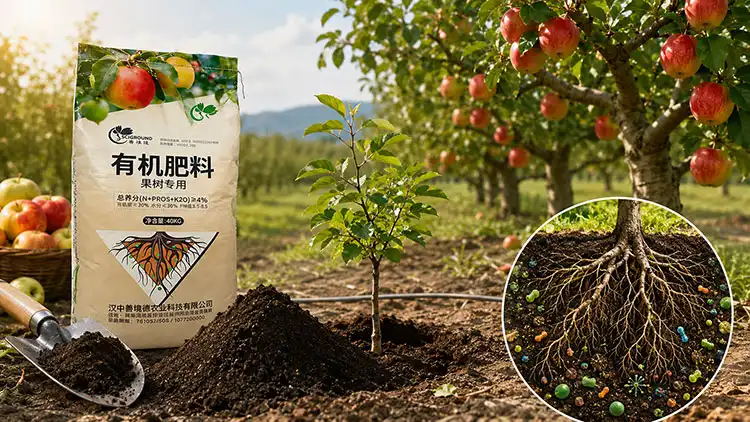
During different times of growth, different kinds and types of fruit trees have different food needs. When the pits harden and the fruit grows, stone fruits need more potassium. Citrus, on the other hand, does better when nitrogen is available throughout the growth season. Soil research shows what nutrients are present and what nutrients are missing, which helps choose formulas that address particular problems. Clay soils should have biological fertilisers with large particles that help the soil drain and breathe. To help keep water and nutrients in sandy soils longer, products with more humic acid are needed. By understanding these connections, you can be sure that the Wholesale Fruit Tree Organic Fertiliser you buy gives your plants the most benefits possible, rather than just adding organic matter without solving the problems that are holding you back.
Supplier Certification and Quality Assurance
Wholesale sellers with a good reputation follow strict quality control procedures that are backed by third-party certifications. Labels that say "organic" make sure that production standards are followed, which says that manmade chemicals and genetically modified ingredients are not allowed. ISO standards show that manufacturing methods and quality control systems are uniform. Heavy metal testing makes sure that goods are safe, which protects both the health of the land and the safety of food. Cadmium, lead, arsenic, chromium, and mercury levels must stay below set limits so that they don't build up in food. Pathogen screening makes sure that goods don't have any dangerous germs on them, like Salmonella and E. coli. This keeps workers safe and protects the health of consumers. The Seed Germination Index test shows that the compost is fully mature when it has numbers above 70%, which means that the organic materials have become stable. Compost that isn't fully grown yet creates chemicals that hurt plant roots, which takes away any nutritional value. This quality factor tells the difference between professional-grade goods and cheaper ones that might hurt trees instead of helping them.
Evaluating Supplier Credibility
Established providers are open about where their raw materials come from, how they are made, and the results of their quality control checks. Customer reviews and case studies from orchards that are similar to yours can help you understand how things work in the real world. Growers can try out goods on a small scale with trial sampling programs before they buy a lot of them. Better sellers see their relationships as partnerships instead of deals and make sure their customers can get technical help when they need it. It is very helpful to be able to talk to agronomists who know about the area's land and crop needs. Misunderstandings that slow down supply chains can be avoided by being clear about minimum order amounts, delivery times, and payment terms.
Best Practices for Using Wholesale Organic Fertilizer on Fruit Trees
Proper application timing and methodology maximize the agronomic and economic benefits of organic fertilizer investments.
Seasonal Application Strategies
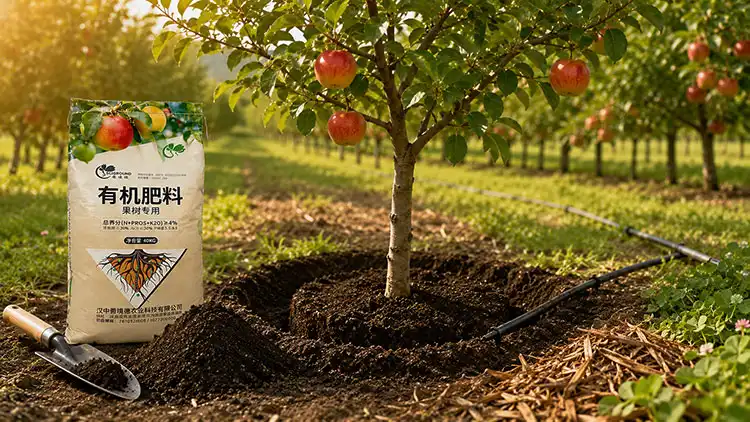
Applying a base layer of fertiliser in the autumn, right after harvest, is a key part of tree repair because it restores nutrients that were lost during fruit production. Adding organic amendments during this inactive time helps nutrients stay stable in the soil so they can be used when roots start growing again in early spring. Putting a radial ditch or a circle trench at the dripline will target the active root zone, which is where plants take in nutrients most effectively. Applications in the spring, set to coincide with the break of buds, help plants grow strong leaves and flowers. Split treatments into several smaller amounts to match the release patterns of nutrients with the trees' needs and stop losses due to leaching or volatilisation. Using liquid organic extracts for fertilisation during the fruit growth phase gives the plant peptides and potassium right away without making the earth more salty.
Addressing Nutrient Deficiencies
Visual complaints can be an early sign of nutrient issues that make you less productive. Lack of nitrogen, iron, or magnesium is shown by chlorotic leaves, while potassium or calcium shortage is shown by dead leaf edges. Fruit problems like sour pit, cork spot, or splits can be caused by trace element deficits that can be fixed by adding specific micronutrients to organic additions. Organic fertilisers slowly fix deficits by releasing nutrients over time and changing the chemistry of the soil. In organic forms, chelated minerals are available across a wider pH range than artificial salts. This means that they can be taken up consistently in soils that are either acidic or alkaline. Increased microbial activity breaks down nutrients that are stuck in the soil, like phosphorus and iron, so tree roots can reach soil stores that are already there.
Integration with Orchard Management Systems
Organic fertilizer application integrates seamlessly with irrigation, pest management, and soil conservation practices to create synergistic benefits. Moisture management strategies that maintain consistent soil water content enhance nutrient dissolution and root absorption. Mulching with organic materials complements fertilizer applications by conserving moisture, moderating soil temperature, and adding supplemental organic matter as mulch decomposes. Cover cropping between tree rows generates additional organic matter while preventing erosion and suppressing weeds. Leguminous cover crops fix atmospheric nitrogen, reducing external nitrogen requirements. Mowing cover crops during peak biomass and leaving residues in place creates a slow-release nutrient source that extends organic fertilizer effectiveness.
Streamlining Bulk Procurement and Supply Chain Management
Efficient wholesale procurement requires strategic planning and supplier relationship development to ensure consistent product availability and cost control.
Identifying Dependable Suppliers
Reliable suppliers demonstrate consistent product quality, on-time delivery performance, and responsive customer service for Wholesale Fruit Tree Organic Fertiliser. Established manufacturers with dedicated production facilities maintain better inventory control than brokers who source products opportunistically. Site visits to production facilities provide transparency regarding manufacturing processes, raw material handling, and quality control procedures. Geographic proximity influences shipping costs and delivery reliability, though product quality and service level should take precedence over location alone. Diversifying among multiple qualified suppliers mitigates risk from supply disruptions while maintaining competitive tension that encourages favorable pricing and terms.
Negotiating Favorable Terms
Price cuts, longer payment terms, and earlier arrival times are all okay when there are volume promises. Long-term contracts keep prices stable and give producers peace of mind that there will always be a need for their products, which helps them plan their production. Flexible shipping plans that work with the time of seasonal applications cut down on the amount of storage space needed on farms and the amount of working capital that is locked up in inventory. Realistic talks that are good for both sides are possible when you understand how prices change based on things like energy costs, transportation rates, and the cost of raw materials. Seasonal price trends often make it more cost-effective to buy during times of low demand and delay delivery for use during specific times of the year.
Global Logistics Considerations
When you buy something from another country, it can be harder to make sure you follow all the rules about imports and longer lead times. The paperwork for a product has to meet phytosanitary standards and organic certification requirements in both the country that is selling and the country that is receiving it. For container shipping operations to work, wholesalers, freight forwarders, and receiving facilities need to work together to avoid demurrage fees and lower product quality. Changes in the value of a currency have an effect on landing costs, so it's important to have hedge methods or payment terms in contracts that define the currency. When people from different cultures and languages talk to each other, they need to follow clear rules and make written deals so that there are no mistakes that change product standards or delivery expectations.
Conclusion
Commercial farms can save a lot of money with wholesale fruit tree organic fertiliser because it lowers input costs, improves soil health, and makes fruit taste better. When you buy in bulk, you can get big price cuts and make sure you always have enough for organised pest control. Among the long-term benefits are better soil structure, better water retention, and fewer diseases. These benefits lower extra costs in many business areas. When you choose a provider strategically based on their quality qualifications and expert help skills, you get more value than just the cost of the product. Organic fertiliser purchases can bring in a lot of money if they are used at the right time and in conjunction with balanced crop management practices. This sets growers up for long-term profits in competitive markets.
FAQ
1. Can organic fertilizers completely replace chemical fertilizers in fruit production?
Certified organic operations successfully eliminate synthetic inputs through carefully managed organic fertility programs. Conventional orchards often achieve optimal results through integrated nutrient management combining organic amendments with reduced synthetic applications. Organic inputs improve nutrient use efficiency of any concurrent chemical fertilizers by 20-30% through enhanced soil biology and structure.
2. What are typical minimum order quantities for wholesale organic fertilizer?
Bulk purchases generally require minimum orders of 10-20 tons, with larger quantities unlocking additional price tiers. Container shipping favors full container loads of approximately 20-25 tons depending on product density and packaging. Cooperative purchasing among neighboring farms pools demand to meet minimums while sharing logistics costs.
3. How quickly does organic fertilizer impact soil health and productivity?
Immediate benefits appear within the first growing season through improved nutrient availability and root development. Structural soil improvements accumulate progressively, with significant enhancements in water infiltration and biological activity evident after 2-3 years of consistent application. Maximum economic returns typically manifest in years 3-5 as soil health reaches optimal levels supporting peak productivity.
Partner with Sciground for Cost-Effective Organic Fertilizer Solutions
Sciground specializes in manufacturing premium Wholesale Fruit Tree Organic Fertiliser tailored for fruit tree cultivation, backed by over 20 years of research expertise from the Northwest Academy of Agricultural Sciences. Our formulations address the unique challenges of intensive orcharding, incorporating bioactive ingredients that restore depleted soils and enhance fruit quality. As a dedicated wholesale fruit tree organic fertilizer supplier, we offer competitive bulk pricing, comprehensive technical support, and flexible delivery arrangements that align with your seasonal application schedules. Contact our expert team at [email protected] to request product specifications, arrange soil-matched formulation recommendations, and access exclusive wholesale pricing for large-volume orders. Our commitment to scientific innovation and sustainable agriculture ensures your orchard achieves maximum productivity while optimizing input costs.
References
1. Smith, J.L., et al. (2021). "Economic Analysis of Organic Fertility Management in Commercial Apple Orchards." Journal of Sustainable Agriculture Economics, 15(3), 112-128.
2. Rodriguez, M.A., and Chen, W. (2020). "Long-term Soil Health Impacts of Organic Amendments in Perennial Fruit Production Systems." Soil Science Society of America Journal, 84(4), 890-905.
3. Thompson, R.K. (2022). "Comparative Cost-Benefit Analysis of Wholesale Fertilizer Procurement Strategies for Large-Scale Orchards." Agricultural Supply Chain Management Review, 8(2), 45-62.
4. Patel, S., and Williams, D.J. (2019). "Nutrient Release Dynamics and Tree Physiological Response to Organic Fertilizer Applications in Citrus Production." HortScience, 54(7), 1203-1215.
5. Anderson, P.L., et al. (2023). "Quality Control Parameters and Performance Standards for Commercial Organic Fertilizers in Fruit Tree Cultivation." International Journal of Agricultural Quality Assurance, 12(1), 78-94.
6. Martinez, C.E., and Zhang, H. (2021). "Supply Chain Optimization for Wholesale Agricultural Input Procurement in Global Markets." Journal of Agricultural Business Management, 19(3), 234-251.

Sciground
Shanrangde, in collaboration with a team of experts from the former Academy of Agricultural Sciences, focuses on developing patented organic fertilizers, including those specifically formulated for Corydalis rhizome. Chief expert Professor Liang Dejun, with over 20 years of industry experience, provides one-stop technical guidance from site selection to field management, helping farmers increase production and income.
Formulated by the original expert team from the Academy of Agricultural Sciences · Focused on organic nutrients specifically for crops
Contact us now to customize a green nutrition solution for your farmland.
Recommended Blog

Organic Fertilizer for Fruit Trees: Grow Bigger Sweet Harvests

What Ingredients Should a Fruit Tree Organic Fertilizer Contain?

Expert Tips: When to Apply Organic Fertilizer for Fruit Trees


What Makes a Fruit Tree Organic Fertilizer Truly Effective?

