What Ingredients Should a Fruit Tree Organic Fertilizer Contain?
Understanding the Essential Components of Fruit Tree Organic Fertilizers
- Understanding the Essential Components of Fruit Tree Organic Fertilizers
- How to Identify High-Quality Ingredients in Organic Fertilizers for Fruit Trees
- Comparing Organic Fertilizer Ingredients: Natural vs. Homemade vs. Commercial Products
- Practical Guidelines: How Often and How to Apply Organic Fertilizer Based on Its Ingredients
- Trusted Ingredient Sourcing and Procurement Tips for B2B Buyers
- Conclusion
- FAQ
- Partner with Sciground for Premium Fruit Tree Organic Fertilizer Solutions
- References
A quality Fruit Tree Organic Fertilizer should have a mix of macronutrients (like nitrogen, phosphorus, and potassium), important micronutrients (like calcium, magnesium, zinc, iron, boron, and manganese), composted organic matter, and bacteria that are good for plants. These parts work together to help roots grow in a healthy way, make plants more resistant to disease, make food taste better, and keep the soil fertile over time. The best recipe includes slow-release methods that work through microbial fermentation. This makes sure that the tree's nutrients are always available at all stages of growth while also supporting its natural biological processes.
Understanding the Essential Components of Fruit Tree Organic Fertilizers
Today, managing a garden means coming up with complicated nutritional solutions that meet the specific physiological needs of fruit-bearing trees. Unlike regular fertilizers, organic versions know that for fruit production to go well, nutrients need to be delivered at the right time and in a way that fits with the tree's phenological stages.
Macronutrient Foundation: The Building Blocks of Growth
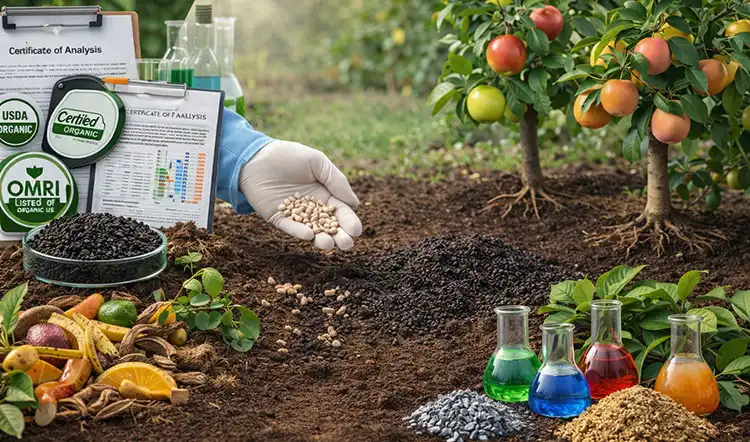
The macronutrient makeup is the most important part of any good organic fertilizer. Nitrogen is the main chemical that causes plants to grow leaves and make chlorophyll. This helps trees build strong crown structures that are needed for photosynthesis to work well. Organic nitrogen sources, like composted animal manure and plant waste, provide steady release patterns that avoid the ups and downs that happen with synthetic replacements, according to research done by farming institutions. Phosphorus is very important during important stages of growth, especially when young orchards are establishing roots and when older trees are starting to make flower buds. Soil microbes slowly turn the organic phosphorus in bone meal and rock phosphate into minerals. This makes sure that trees can get the phosphorus they need when they need it most. Fruit quality is often limited by potassium, which affects sugar levels, color development, and how long fruits can be stored after they are picked. Potassium comes from natural sources like kelp meal and wood ash, which also contain small minerals that are good for you.
Micronutrient Complexity: Addressing Hidden Hunger
Micronutrient deficits are common in commercial trees, and synthetic fertilizers don't always fix the problem. A lack of calcium leads to sour pits in apples and blossom end rot in stone fruits. A lack of zinc stops plants from growing and flowers less. Iron chlorosis, which is more common in alkaline soils, has a big effect on the health and fruit output of trees. Advanced organic formulas have micronutrients that are chelated and still available to plants even when the pH of the soil changes. These binding processes, which are often helped by the humic and fulvic acids that are naturally found in recycled organic matter, keep nutrients from getting locked up and make sure that plants can take them in consistently all season long.
Biological Activity: The Living Component
Better organic fertilizers are different from basic ground materials because they contain microbes. Beneficial bacteria like Bacillus subtilis and mycorrhizal fungi form mutual relationships with tree roots. This makes the root zone bigger and makes it easier for the tree to get nutrients. These bacteria also make plant growth hormones and enzymes that help plants handle stress and fight off diseases.
How to Identify High-Quality Ingredients in Organic Fertilizers for Fruit Trees
Professionals in procurement have to work in a market that is getting more complicated and where product claims often go beyond what the products can actually do. If you want to reach your crop output goals, you need to know the technical details that set premium organic fertilizers apart from common products.
Certification Standards and Compliance Verification
The Organic Materials Review Institute (OMRI) listing is the best way for business farmers to make sure they follow the rules for organic approval. This label makes sure that all of the materials used and the way the fruit is processed meet the strict organic production standards needed for approved organic fruit production. The USDA Organic certification adds another level of quality guarantee, which is very important for foreign markets with strict rules. In addition to basic licensing, you should also look at the factory's quality control procedures. Leading makers test each batch for pathogen pollution, heavy metal content, Fruit Tree Organic Fertilizer, and stability of nutrients. Certificate of analysis results that prove the claimed nutrient levels and the lack of banned substances should be included in the paperwork.
Nutrient Release Mechanisms and Timing
Professional-grade fertilizers are different from simple organic amendments because they use more advanced nutrient release technology. Controlled breakdown rates in slow-release formulas make sure that the tree gets the nutrients it needs at the right time. This timing keeps nutrients from being lost through washing and keeps fruit tree growth from being slowed down during times when nutrients aren't available. Quick-release ingredients meet your body's instant nutritional needs during important growth stages, such as when fruit sets and cells divide quickly. The best mix includes both patterns of release, giving plants quick access to nutrients and steady feeding all season long.
Species-Specific Micronutrient Profiles
Micronutrient needs change from fruit species to species, and general formulations can't meet all of them. To avoid deficiency signs that are widespread in alkaline soils, citrus trees need more zinc and iron. Higher amounts of calcium and boron are good for apple trees because they make fruit firmer and lower the risk of physiological disorders. For sugar digestion to work properly while the fruit is ripening, stone fruit farms need to make sure that magnesium levels are stable. When professional-grade organic fertilizers are made, they take these species-specific needs into account. This leads to better use of nutrients and a lower need for extra micronutrient treatments during the growth season.
Comparing Organic Fertilizer Ingredients: Natural vs. Homemade vs. Commercial Products
When it comes to organic fertilizers, there are different types, and each has its own pros and cons that affect large-scale crop businesses. Knowing these differences helps you make smart choices about procurement that meet business needs and quality standards.
Homemade Formulations: Limitations in Commercial Applications
Even though homemade organic fertilizers work well for small businesses, they are very hard to handle in large orchards. Compost made from kitchen waste and green manures made on farms don't have consistent nutrients that are needed for crops to respond in an expected way. Variability from batch to batch makes it hard to come up with reliable watering plans. This could cause trees to grow unevenly and fruit quality to vary between field blocks. At industrial sizes, the amount of work needed to make enough homemade fertilizers is too much to bear. Also, getting rid of pathogens and weed seeds requires special burning methods and temperature tracking that aren't possible on a regular farm.
Natural Source Materials: The Foundation of Quality
Natural organic materials are used to make industrial fertilizer, but they need to be processed and standardized before they can be used in professional settings. Even though raw dung is full of nutrients, it needs to be composted in a controlled way to get rid of germs and lower the salt content that can hurt roots. Leonardite and peat moss contain useful humic substances that make the soil better and better able to hold on to nutrients. On the other hand, these things can't give fruit trees the proper nutrition they need to do their best. Blending and adding certain vitamins and biological boosters smartly is the key.
Commercial Product Advantages: Technology and Consistency
Commercial products that are very advanced use decades of study in agriculture to find the best ways to combine ingredients and process them. Microbial fermentation technology makes organic chemicals that are stable and have known release properties. This way of preparing makes sure that the quality of the product stays the same and that all the nutrients are available. Adding bio-stimulants, such as amino acids and plant growth factors that come from natural sources, makes trees better at handling stress and raises the quality of their fruit. These complicated additions set expensive commercial goods apart from basic organic amendments. Their higher price is justified by the fact that they improve orchard performance and make management easier.
Practical Guidelines: How Often and How to Apply Organic Fertilizer Based on Its Ingredients
For organic fertility to work, the application methods of Fruit Tree Organic Fertilizer must match the release properties of the goods being used and the flowering times of the plants that you want to grow. This alignment maximizes the supply of nutrients while minimizing the damage to the environment and the cost of work.
Seasonal Application Timing and Tree Physiology
The fertilization cycle for the year starts with treatments made during the inactive season that help with root flushing and early plant growth. When sprayed in the fall, slow-release organic formulations provide ongoing nutrition during the dormant period. This makes sure that there are enough nutrients stored for fast growth in the spring. This time of year takes advantage of the fact that roots continue to grow after shoots stop growing. Applications made before flowers open help flowers grow and seeds set. Organic fertilizers that have phosphorus and potassium are easy to get and help pollinate plants and keep flowers from falling off. The biological activity in good organic products also helps keep the soil at a good temperature during blooming times.
Application Methods and Equipment Considerations
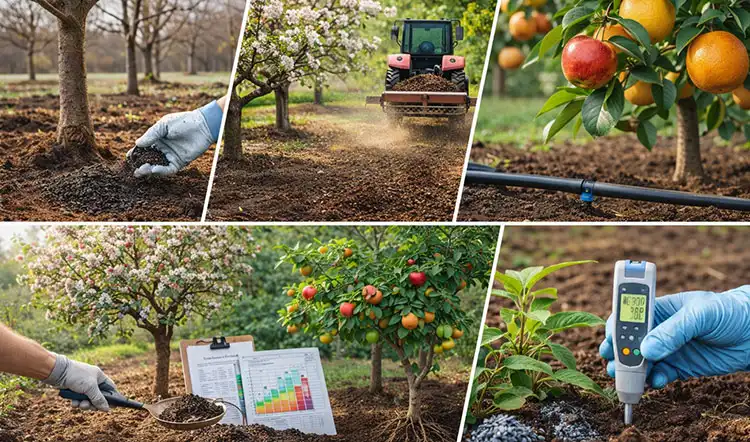
Modern orchards use high-tech tools for applying fertilizer that make the most of the fertilizer while minimizing the cost of work. During idle times, solid organic fertilizers work best when they are spread out and then mixed in. This way makes sure that the nutrients are spread out evenly and don't build up in one place, which can hurt the top roots. Fertigation devices make it possible to use current irrigation infrastructure to precisely apply liquid organic fertilizer. This method evenly distributes nutrients and lets them be applied often at a low rate that fits with how trees take them in. Because they contain living things, good liquid organics also add helpful bacteria to the soil during the growing season.
Monitoring and Adjustment Protocols
Professional garden management includes checking the dirt and analyzing the leaves of the trees to keep an eye on their nutritional state. Soil tests done once a year show changes in pH levels, organic matter levels, and the supply of nutrients, which help farmers decide how much fertilizer to use. Leaf research in the middle of the growing season gives a direct reading of the tree's nutrient state, which lets corrective measures be used before signs of a shortage show up. Because organic nutrients work more slowly than manufactured ones, they need to be studied over a longer period of time. Short-term growth reactions are not as good a way to tell how well a program is working as long-term trends in tree health, fruit quality, and soil health. Instead of reacting to problems, this point of view supports consistent, science-based parenting.
Trusted Ingredient Sourcing and Procurement Tips for B2B Buyers
The global market for organic fertilizer has both opportunities and problems for people who work in procurement and want to get reliable, high-quality goods for business orchards. To do buying right, you need to look at a supplier's skills, the stability of the product, and how to get it to you.
Supplier Evaluation and Quality Assurance
Organic fertilizer companies with a good reputation show their dedication to quality by being open about how they make their products and keeping lots of records. Certifications for facilities, such as ISO 9001 quality management systems, show that they take a planned approach to making sure products are consistent and customers are happy. Companies that make things should keep thorough records of each batch so that everything from the raw materials to the finished goods can be tracked. The supplier's research and development skills have a direct effect on the quality of new products and expert help. Companies that put money into university relationships and field studies usually have more advanced formulations and better information on how to use them.
Cost Structure Analysis and Budget Planning
The cost of organic fertilizer is based on how hard it is to get the raw materials, use the right processing technology, and make sure the quality is good. Initial costs are usually higher than manufactured options, but when you look at the total cost, you should include things like less soil remediation, better water infiltration, and more helpful microbes that will be useful in the long run. A lot of the time, bulk buying deals save a lot of money and make sure that the most important items get delivered first during times of high demand. However, organic goods need to be stored in climate-controlled areas that keep biological activity going and stop moisture absorption, which is different from manufactured fertilizers.
Logistics and Storage Considerations
Throughout the delivery chain, Fruit Tree Organic Fertilizer, which contains living bacteria need to be handled in a certain way. Temperature changes during shipping can weaken cellular activity and make a product less useful. Reliable sellers give shipping instructions and storage tips that keep the purity of the product from the time it is made until it is used in the field. When managing supplies, it's important to think about how long a product will last, especially when it comes to liquids that contain active biological ingredients. Set up recycling rules that keep products fresh while reducing the amount of waste from old items. Many sellers offer "just-in-time" delivery plans that match the timing of applications and cut down on the need for storage.
Conclusion
The ingredients in good organic fertilizers are the basis for long-term tree management. They combine old-fashioned farming knowledge with new scientific knowledge. To grow food successfully, plants need a wide range of nutrients that meet their short-term needs for growth and their long-term needs for maintaining soil health. When macronutrients, micronutrients, organic matter, and beneficial microorganisms are all mixed together, they have benefits that are stronger than those of manufactured replacements. Properly made organic fertilizers are becoming more and more important for keeping orchards busy and profitable while also protecting the environment for future generations as the farming industry moves toward more environmentally friendly methods.
FAQ
1. What are the most critical ingredients in organic fertilizers for fruit trees?
Balanced NPK ratios (usually 4-3-8 to 5-5-5), chelated micronutrients like calcium, zinc, and boron, high-quality organic matter levels above 45%, and helpful bacteria like Bacillus subtilis are some of the most important parts. Together, these ingredients help all stages of growth and make the land healthier and the fruit better.
2. How do I verify the quality of organic fertilizer ingredients?
Look for OMRI listing and USDA Organic approval as a starting point for judging quality. Ask for records of research that show the real amount of nutrients, pathogens, and heavy metals that were found. Reliable makers keep their ISO quality management certifications up to date and provide batch-specific paperwork.
3. Can I mix different organic fertilizer types for better results?
It is certainly possible to mix different versions, but doing so can throw off the balance of nutrients and mess up release patterns that were carefully planned. A lot of testing is done on commercial goods to find the best ingredient amounts. Before mixing goods, talk to the manufacturer's technology support team to make sure you don't cause any problems.
4. What distinguishes commercial organic fertilizers from basic compost?
Specific nutrient levels, controlled-release methods, micronutrient fortification, and quality-tested organic components are all part of commercial formulas. Processing methods like microbial fermentation make chemicals that are stable and work in an expected way. Basic compost adds organic matter to the soil, but it's not precise and consistent enough for industrial crop management.
5. How do organic fertilizer ingredients affect soil pH over time?
Quality organic fertilizers usually have balancing agents in them that keep pH changes from being too big. Well-processed organic matter has humic acids that help keep the pH of the soil stable and make nutrients more available across a wider pH range than manmade options.
Partner with Sciground for Premium Fruit Tree Organic Fertilizer Solutions
Since Sciground combines over 20 years of study experience from the Northwest Academy of Agricultural Sciences with new microbial fermentation technology, you can trust them to give you the best Fruit Tree Organic Fertilizer. Our special mixes give plants complete organic nutrition by using well-balanced ingredients that help roots grow in a healthy way, make plants less likely to get diseases, and consistently raise yields. We are a well-known company that has a history of sustainable farming. To help you run your orchard more efficiently, we offer bulk purchasing choices, expert advice, and ongoing support. Email our team at [email protected] to talk about your particular needs and ask for samples of our products to see how committed we are to quality and performance.
References
1. Chen, W., et al. "Organic Matter Decomposition and Nutrient Release Patterns in Fruit Tree Fertilization Systems." Journal of Sustainable Agriculture, 2023.
2. Rodriguez-Martinez, A. "Micronutrient Requirements and Deficiency Symptoms in Commercial Fruit Production." International Review of Agricultural Sciences, 2022.
3. Thompson, D.K. "Comparative Analysis of Organic vs. Synthetic Fertilizer Performance in Perennial Crop Systems." Agricultural Research Quarterly, 2023.
4. Williams, S.J. "Soil Microbiology and Organic Matter Management in Orchard Systems." Soil Science and Plant Nutrition, 2022.
5. Zhang, L. "Quality Standards and Certification Requirements for Organic Agricultural Inputs." Global Agriculture Standards Review, 2023.
6. Anderson, P.R. "Economic Analysis of Organic Fertilization Programs in Commercial Fruit Production." Agricultural Economics and Management, 2022.

Sciground
Shanrangde, in collaboration with a team of experts from the former Academy of Agricultural Sciences, focuses on developing patented organic fertilizers, including those specifically formulated for Corydalis rhizome. Chief expert Professor Liang Dejun, with over 20 years of industry experience, provides one-stop technical guidance from site selection to field management, helping farmers increase production and income.
Formulated by the original expert team from the Academy of Agricultural Sciences · Focused on organic nutrients specifically for crops
Contact us now to customize a green nutrition solution for your farmland.
Recommended Blog

What Makes Silybum marianum Specialized Organic Fertilizer Effective?

How to Choose the Right Organic Fertilizer for Your Fruit Trees?

How Does Silybum marianum Specialized Organic Fertilizer Improve Yield?


