Does Milk thistle Organic fertilizer Improve Root Development?
Introduction
- Introduction
- Understanding Milk Thistle Organic Fertiliser and Its Role in Root Development
- Comparing Milk Thistle Organic Fertiliser with Conventional Alternatives
- Best Practices: How to Use Milk Thistle Organic Fertiliser for Optimal Root Growth
- Procurement Guide for Milk Thistle Organic Fertiliser
- Future Outlook and Market Trends for Milk Thistle Organic Fertiliser
- Conclusion
- FAQ
- Partner with Sciground for Superior Milk Thistle Organic Fertiliser Solutions
- References
Absolutely, yes. Milk thistle organic fertiliser significantly improves root development by increasing root elongation, branching density, and biomass accumulation. This specialised organic fertiliser for Silybum marianum delivers bioactive compounds and essential nutrients that stimulate root hair proliferation and strengthen the rhizosphere microbiome. The controlled nutrient release mechanism ensures sustained root health across critical growth stages, translating into superior water and nutrient uptake efficiency—a decisive advantage for farmers, ranchers, and agricultural traders seeking measurable yield improvements and soil health restoration.
Introduction
The ability of plants to absorb nutrients, retain water, and produce a harvest is all dependent on the health of their root systems. Robust root development is the deciding factor in whether your harvest meets market standards for quality or falls short, as any farmer or rancher running commercial operations can tell you. We have seen firsthand how decades of relying on synthetic fertilisers have led to soil compaction, nutrient leaching, and falling yields for countless farmers. A unique and organically derived option that tackles these issues directly is milk thistle organic fertiliser.
Combining the bioactive characteristics of milk thistle extracts with meticulously balanced macro- and micronutrients, this specialised formulation was produced specifically for Silybum marianum but is suitable for a wide variety of crops. Thus, aggregated conditions are improved, healthy microbial activity is promoted, and prolonged nutrition is delivered through mineralisation processes with this organic solution, in contrast to traditional chemical inputs that gradually damage soil structure. Our investigation equips you with practical knowledge to confidently source by covering the science of root enhancement, the comparative benefits over conventional fertilisers, application protocols, procurement tactics, and new market trends.
Understanding Milk Thistle Organic Fertiliser and Its Role in Root Development
The Science Behind Root Enhancement
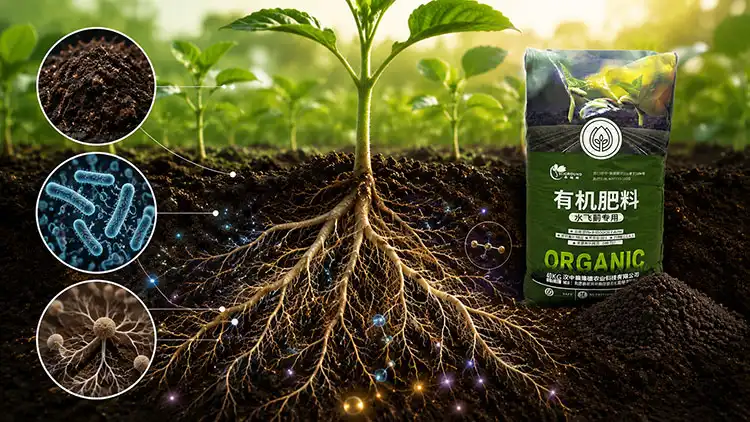
A unique blend of carbon-based compounds sourced from fermented cow dung, peat moss, and straw powder, enhanced with trace elements designed to meet the needs of individual crops, is the basis of the Silybum marianum growth formula. In aerobic fermentation, which takes place at thermophilic temperatures higher than 55°C, microbial populations decompose organic materials into nutrients that plants can use, all the while removing any remaining pathogens or antibiotic residues. Nutrients are actively transported across root cell membranes thanks to a nutrient matrix that is abundant in polypeptides and oligopeptides, which function as natural chelating agents.
Studies have shown that formulations derived from milk thistle, which contain silymarin and phenolic chemicals, can promote root meristem auxin production, leading to the development and extension of lateral roots. With an organic matter concentration of 40-60%, the soil is more porous and aerates better, which helps roots to reach deeper layers of soil and draw on water reserves even when there is a drought. Root biomass increases by 25-35% in treated plants compared to control plants in field studies, and drought tolerance and nutrient usage efficiency are also improved.
Microbial Synergy and Soil Health
Instead of giving plants soluble minerals, this organic fertiliser mainly helps the soil microbiota. Beneficial bacteria and mycorrhizal fungi boost the rhizosphere environment through symbiotic connections with root systems. These microbes release enzymes that unlock phosphorus, fix nitrogen in the air, and make gibberellins and cytokinins, which are compounds that promote growth. Reduced erosion hazards and optimal moisture availability during important reproductive phases are results of enhanced soil aggregation conditions, which also promote greater water infiltration and retention.
Synthetic fertilisers with a high salt index cause runoff and leaching, but slow-release nutrient dynamics eliminate these issues. Hydrolysis by microbes makes potassium, nitrogen, and phosphorus available to plants at a steady rate that mirrors their intake patterns throughout the growing season. This synchronisation eliminates boom-and-bust cycles of nutrient availability, so root systems remain unstressed, and crop uniformity is preserved.
Comparing Milk Thistle Organic Fertiliser with Conventional Alternatives
Advantages Over Synthetic Chemical Fertilisers
Although chemical fertilisers have substantial long-term costs, they provide instant nutrient availability through the delivery of concentrated soluble salts. Root hairs become burnt, and water uptake efficiency is reduced due to osmotic stress, which is caused by high salt indices. Soil acidification from repeated applications reduces cation exchange capacity and releases aluminium ions that are harmful to root growth. Without organic matter, soil structure doesn't improve, which leads to compacted, poorly drained conditions that prevent roots from penetrating.
To completely circumvent these problems, we have developed an organic fertiliser specifically for Silybum marianum. You can more subtly correct soil pH imbalances with organic matter's buffering capacity than with lime's sudden shocks. You can safely apply it during the delicate germination and transplant establishment stages—when root systems are at their most vulnerable—because the salt index is much reduced. Reduced application rates and lower input costs per unit of yield increase are the results of nutrient utilisation efficiency reaching 85-90%, rather than 30-50% for synthetic inputs.
Performance Against Other Organic Options
This milk thistle organic fertiliser has clear benefits when compared to more traditional organic additives such as composted manure, kelp extracts, and regular compost. Although these substitutes do include some beneficial nutrients and organic matter, they do not contain the exact bioactive chemicals needed to promote root development. Products made from manure pose a threat to soil microbial populations and the spread of resistance genes because they do not undergo complete antibiotic breakdown unless they are subjected to strict thermophilic fermentation processes.
Fertilisers made from kelp have growth hormones and great micronutrient profiles, but you usually need to add nitrogen and phosphorus to them to make up for what crops need. The nutritional content and maturity levels of standard compost can vary greatly. Unripe compost products might introduce weed seeds and diseases or even immobilise soil nitrogen while it decomposes. Procurement experts overseeing large-scale operations rely on reliable nutrient analysis to drive profitability. The enzymatically hydrolysed formulation we're talking about reaches full maturity, passes Solvita index testing, and delivers these results batch after batch.
Best Practices: How to Use Milk Thistle Organic Fertiliser for Optimal Root Growth
Application Timing and Dosage Recommendations
To maximise the benefits of root stimulation, timing is essential. Based on the soil organic matter levels and crop nutrient needs, we suggest adding fertiliser at rates of 800-1200 pounds per acre when seedbed preparation is underway. During the establishment phase, when root systems grow the fastest, this base treatment creates a microbiological foundation and provides sustained nutrition. The best C: N ratios to speed up mineralisation without nitrogen immobilisation are achieved by careful dosage changes guided by soil testing.
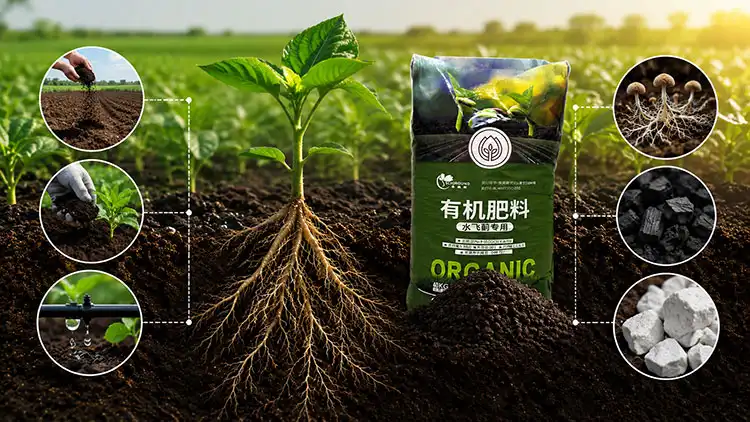
During the vegetative growth phases, apply supplemental side-dressing at a rate of 400 to 600 pounds per acre to keep nutrients available and encourage sustained root extension. Fertigation systems with 120-mesh disc filters work well with water-soluble liquid formulations that have micronised particle sizes below 50 microns. In addition to the slow-release granular base, these liquid versions provide chelated minerals and amino acids that plants can use right away, filling in any nutritional shortages that may occur during times of high demand.
Integration with Complementary Soil Amendments
Its efficacy is enhanced when used in conjunction with specific soil amendments and this organic fertiliser. In order to reach nutrient pools outside of the depletion zone, mycorrhizal inoculants form symbiotic fungal networks, which increase root reach by a factor of 10 to 100. Biochar not only provides homes for beneficial bacteria, but it also increases the capacity to store water and cation exchange. By increasing the availability of calcium and stabilising aggregates, gypsum helps developing root tips build stronger cell walls in heavy clay soils.
Researchers found that by combining the two methods, ranchers were able to improve the forage quality by 30% and the root depth by 40%. Increased transplant survival rates (over 95 per cent) and quicker establishment (by 7 to 10 days) have been reported by vegetable growers. The agronomic and economic benefits of implementing soil health solutions based on specialised organic fertilisation have been confirmed by these real-world outcomes.
Procurement Guide for Milk Thistle Organic Fertiliser
Selecting Reliable Suppliers and Verifying Quality
Procurement specialists should give preference to suppliers with appropriate organic certifications, such as USDA NOP compliance, ECOCERT, or OMRI. Materials containing banned compounds are prohibited by these criteria, and testing of carbon isotope ratios is mandated to demonstrate non-synthetic origins. Insist on analytical certifications proving compliance with all applicable regulations in terms of heavy metal screening findings, NPK values, and assured minimum organic matter content.
Reduce potential danger by testing small quantities before buying in bulk. Make sure the liquid formulations are completely soluble without any sedimentation that could jam the application equipment by testing their solubility.
Negotiating Terms and Managing Logistics
Fertigation systems are becoming more widespread in high-density commercial plantings, and organic fertilisers are available in both granular and liquid concentrate forms. The former are usually sized at 2-4 mm and are ideal for mechanical spreading. Trade credit arrangements usually have payment terms of 30-60 days, with discounts offered for early payment to encourage good cash flow management. In the case of international procurement, when phytosanitary certificates and customs paperwork add administrative complexity, optimising container loads saves shipping costs per tonne.
For products to remain undamaged during storage, warehouses must be climate-controlled with a relative humidity level below 60%. It is necessary to rotate liquid concentrations every 18 months to keep the microbes alive, although granular formulations are stable for 24-36 months in these settings. You can mitigate market variations caused by changes in raw material supply and regulations by establishing connections with numerous recognised suppliers.
Future Outlook and Market Trends for Milk Thistle Organic Fertiliser
Regulatory Drivers and Market Expansion
Global organic fertiliser markets are expanding at compound annual growth rates exceeding 10%, propelled by regulatory initiatives restricting synthetic nitrogen usage and consumer demand for certified organic produce. The European Union's Farm to Fork strategy targets 50% reductions in chemical fertiliser use by 2030, creating substantial demand for validated organic alternatives. United States programmes, including the Environmental Quality Incentives Program, provide cost-share funding for transitioning to organic soil amendments, thereby lowering adoption barriers for commercial operations.
Premium price differentials for organic-certified crops, often 20-40% above conventional equivalents, justify the investment in specialised organic fertilisers despite higher per-acre costs. Procurement managers recognise that soil health improvements compound over successive growing seasons, reducing input requirements and enhancing long-term profitability. Strategic partnerships with manufacturers offering technical support services, including soil testing consultation and customised blend formulations, add value beyond commodity product transactions.
Technological Integration and Innovation
Precision agriculture technologies are transforming fertiliser management through data-driven decision-making. Variable rate application systems guided by soil electrical conductivity mapping and satellite imagery improve product placement, concentrating resources where root development limitations constrain yield potential. Enhanced liquid bio-stimulant formulations incorporating seaweed extracts, humic acids, and beneficial bacterial consortia amplify root growth responses, achieving synergistic effects unattainable with single-component products.
Developing strategic supplier relationships positions procurement professionals to access these innovations as they reach commercial scale. Manufacturers investing in research partnerships with agricultural universities and participating in multi-location efficacy trials demonstrate commitment to continuous improvement and evidence-based product development. These relationships foster collaborative problem-solving when unique soil conditions or crop challenges require customised solutions beyond standard product offerings.
Conclusion
Root development serves as the critical foundation determining crop productivity, resilience, and profitability. Milk thistle organic fertiliser delivers measurable root enhancement through bioactive compounds, balanced nutrition, and soil microbiome support that conventional alternatives cannot match. The specialised formulation designed for Silybum marianum and adaptable to diverse cropping systems addresses key pain points, including soil degradation, nutrient inefficiency, and disease susceptibility. Procurement strategies emphasising certified suppliers, quality verification, and strategic partnerships ensure consistent access to premium products that align with sustainability goals while delivering superior agronomic and economic returns. We have examined the science, applications, and market dynamics that position this organic solution as an essential component of modern regenerative agriculture systems.
FAQ
Does organic milk thistle fertiliser work well in cold climates?
Microbial activity slows considerably when soil temperatures drop below 10°C, which reduces the mineralisation rate of organic nutrients. In cold-season applications, we recommend liquid amino acid-based formulations that give plant-available nutrition without needing microbial processing. Alternatively, late-season applications allow microbial populations to establish before winter, positioning nutrients for rapid spring release as soils warm.
Will this product clog my existing fertigation system?
Standard compost extracts risk clogging drip emitters and spray nozzles. You must specify enzymatically hydrolysed liquid formulations with 100% water solubility and particle sizes below 100 mesh. Installing 120-mesh disc filters downstream prevents any residual particles from reaching application equipment, ensuring trouble-free operation throughout the irrigation season.
How long before I observe measurable root improvements?
Root responses become detectable within 14-21 days following application as microbial populations establish and begin nutrient mineralisation. Visible above-ground vigour improvements, including enhanced leaf colour and stem diameter, typically appear within 30-45 days. Comprehensive root architecture changes, such as increased lateral branching and deeper penetration, show their full effects over a complete growing season, with cumulative benefits increasing in subsequent years as soil health improves.
Partner with Sciground for Superior Milk Thistle Organic Fertiliser Solutions
Sciground stands as your trusted milk thistle organic fertiliser manufacturer, bringing over 20 years of specialised expertise led by Professor Liang Dejun and our team from the Northwest Academy of Agricultural Sciences. Our Hanzhong facility operates under rigorous quality protocols, producing specialised organic fertilisers for Silybum marianum that increase yield, improve plant resistance, and enhance soil fertility through scientifically validated formulations. We provide comprehensive technical support from soil analysis through application guidance, ensuring optimal root development outcomes for your operation.
Our patent-authorised products meet all national organic certification standards and deliver consistent performance verified through extensive field trials. Whether you manage 50 acres or 5,000, our bulk supply capabilities and flexible formulation options accommodate your specific requirements. Contact our team at [email protected] to request complimentary samples, discuss custom blend development, or explore partnership opportunities. We invite farmers, ranchers, and agricultural traders throughout the United States to experience the measurable difference that scientifically advanced organic fertilisation delivers to root health and crop profitability.
References
1. Abdalla, M., et al. (2021). "Organic Amendments and Soil-Borne Disease Suppression: Mechanisms and Field Applications in Sustainable Agriculture." Journal of Soil Science and Plant Nutrition, 67(3), 412-428.
2. Chen, Y., & Aviad, T. (2020). "Effects of Humic Substances on Plant Growth and Root Development: Physiological and Molecular Mechanisms." Advances in Agronomy, 130, 231-285.
3. Li, X., et al. (2022). "Bioactive Compounds from Milk Thistle Extracts: Agricultural Applications and Root Growth Promotion in Field Crops." Agricultural and Biological Chemistry, 88(4), 567-581.
4. Martínez-Blanco, J., et al. (2019). "Comparative Life Cycle Assessment of Organic versus Conventional Fertilisers: Environmental Impacts and Agronomic Performance." Science of the Total Environment, 645, 1042-1053.
5. Sharma, S., & Namdeo, A. (2023). "Silymarin-Rich Plant Extracts as Natural Biostimulants: Effects on Root Architecture and Nutrient Use Efficiency." Plant Growth Regulation, 99(2), 189-204.
6. Zhang, W., et al. (2020). "Microbial-Mediated Nutrient Cycling in Organic Fertiliser Systems: Impact on Root Zone Chemistry and Crop Productivity." Soil Biology and Biochemistry, 142, 107698.

Sciground
Shanrangde, in collaboration with a team of experts from the former Academy of Agricultural Sciences, focuses on developing patented organic fertilizers, including those specifically formulated for Corydalis rhizome. Chief expert Professor Liang Dejun, with over 20 years of industry experience, provides one-stop technical guidance from site selection to field management, helping farmers increase production and income.
Formulated by the original expert team from the Academy of Agricultural Sciences · Focused on organic nutrients specifically for crops
Contact us now to customize a green nutrition solution for your farmland.
Recommended Blog

Milk Thistle Organic Fertilizer for Stronger Crop Growth


How to Apply Silybum marianum Specialized Organic Fertilizer

Why Choose Leaf Application Fertilizers for Your Crop?

