Wholesale Fruit Tree Organic Fertilizer for Higher Yield Fruit Production?
Understanding the Benefits of Organic Fertilizer for Fruit Trees
- Understanding the Benefits of Organic Fertilizer for Fruit Trees
- How to Choose the Best Wholesale Organic Fertilizer for Fruit Trees
- Practical Application Tips for Maximizing Organic Fertilizer Effectiveness
- Bulk Procurement and Logistics: Securing Wholesale Organic Fertilizer for Your Fruit Trees
- Why Wholesale Organic Fertilizer Is the Preferred Choice for Sustainable Fruit Production
- Ready to Transform Your Orchard Productivity with Quality Organic Fertilizer?
- Conclusion
- FAQ
- Contact Sciground for Your Wholesale Organic Fertilizer Needs
- References
When looking at ways to make orchards work better, Wholesale Fruit Tree Organic Fertilizer stands out as a tried-and-true choice that is both cost-effective and good for the plants. This specific approach to nutrition provides long-lasting nutrient release that is suited to the biology of fruit trees, boosts soil microbial activity, and helps trees produce more over multiple seasons. More and more commercial growers are realizing that buying certified organic fertilizers in bulk lowers the cost of inputs per acre while still meeting the standards for sustainability set by modern markets and regulations.
Understanding the Benefits of Organic Fertilizer for Fruit Trees
Over the past 20 years, our team at Sciground has seen amazing changes happen in trees that switched from using chemical fertilizers to using organic ones. The change isn't just a matter of opinion; it's based on real-world economic benefits that have a direct effect on your bottom line.
Enhanced Soil Biology and Structure
Using organic fertilizer changes the environment of the soil under your fruit trees in a big way. Instead of manufactured options that give quick spikes in nutrients and then quickly drop them, organic inputs like peat moss, composted materials, and animal manure slowly release nitrogen, phosphorus, and potassium while feeding good microorganisms at the same time. These microbes turn organic waste into humus, which makes the earth stick together better and hold more water. A commercial apple farm in Washington State saw a 34% increase in the amount of organic matter in the soil within three growing seasons after moving to organic fertilizer. This was linked to the fact that the trees needed less watering during droughts.
Correcting Nutrient Deficiencies Strategically
Smart growers learn to spot the signs that a fruit tree is lacking: chlorotic leaves mean it needs more nitrogen or iron, and bad fruit set usually means it needs more boron or zinc. These problems can be fixed by using good organic nutrients that have proper micronutrient profiles. Sciground's specialized formulas include trace elements that are set for the physiology of fruit trees. This makes sure that trees get not only the main macronutrients they need, but also the secondary and micronutrients they need for enzyme activation and metabolic processes. This all-around nutritional help leads to better fruit color, size regularity, and storage quality, all of which are things that fetch higher prices in bulk markets.
Yield Stability Across Seasons
Commercial trees have to deal with uncertain weather and pests that make it hard to get regular output. Organic fertilizer programs make plants stronger by giving them steady nutrition that doesn't cause the soft, overgrown plant growth that comes with synthetic fertilizers that are high in nitrogen. A study that looked at peach fields in Georgia over several years found that blocks that were fertilized organically had more stable yields during drought years than sections that were handled normally. In those sections, yields changed by only 12%, while they changed by 28% in the synthetic-fertilized controls.
How to Choose the Best Wholesale Organic Fertilizer for Fruit Trees
It takes more than reading product labels to find the right organic soil for growing a lot of food. Your choice affects the health of the trees for several seasons and shows if your investment is paying off.
Fertilizer Forms and Release Characteristics
There are different types of Wholesale Fruit Tree Organic Fertilizer on the market, and each one is best for a certain application. Granular organic fertilizers are easy to spread with standard tools and work best for setting up a base of fertility because they release nutrients slowly. Pelleted versions are easier to handle and make less dust when applied in bulk. Liquid organic fertilizers make exact aerial feeding and fertigation possible, which is especially helpful at key growth stages like flowering and fruiting. From working with industrial growers, we know that using a mix of methods—applying granular products during dormancy and adding liquid formulas during active growth—enhances the availability of nutrients throughout the growing season.
Certification Standards and Quality Indicators
When you buy organic fertilizer in bulk, certification proof keeps your business safe from buying low-quality goods. Check for an OMRI listing or a comparable organic certification that shows the product meets the standards of the National Organic Program. Check the guaranteed analysis for uniformity in nutrient content in addition to approval. Good makers give thorough specs like the percentage of biological matter, the amount of water in the product, and the results of pathogen tests. At Sciground, our goods go through strict testing procedures, and we keep clear records that procurement experts can look over before approving big orders. This level of openness gives you more faith that each shipment meets the needs of your crop.
Cost-Performance Analysis
The price per ton at the start doesn't tell the whole story. A good cost study looks at the amount of nutrients, how often they are applied, and how long the benefits last for the land. If you use a high-quality organic fertilizer at lower rates, it might work better for your cost-per-acre than cheaper options that need to be used in larger amounts. Divide the price by the number of pounds of nitrogen, phosphorus, and potassium supplied to get the real cost of the nutrients. Take into account the costs of labor and tools needed for application; goods that need to be applied less often will lower running costs. When our customers look at the return on investment (ROI) of high-quality organic fertilizers over full growing seasons instead of just one application, they usually find that they are better.
Practical Application Tips for Maximizing Organic Fertilizer Effectiveness
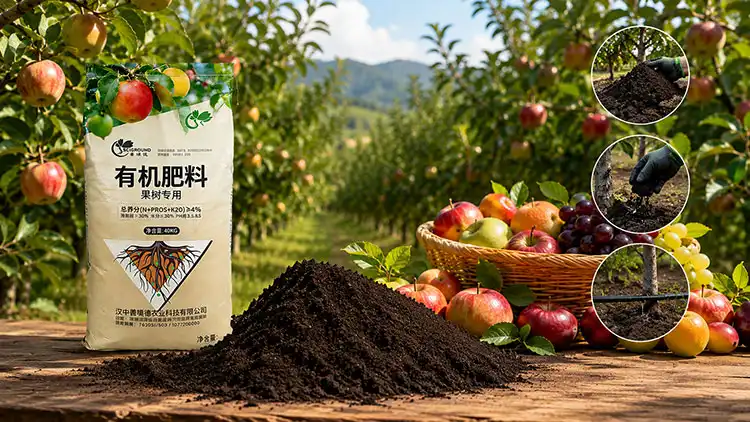
Purchasing good organic soil is only the beginning. Whether you get the yield improvements your business needs depends on when you apply the chemicals, how you apply them, and how well they work with the soil management methods you already use.
Seasonal Application Windows
Different types of fruit trees have different patterns of nutritional needs that are related to their phenological stages. Early spring treatments that help with fast vegetative flush and flowers are good for stone fruits. Extra feeding during pit hardening keeps the fruit from falling off. Pome fruits need a healthy diet during the cell division stages that happen right after bloom, which is when the fruit's size potential is set. Apple and pear farms should focus on potassium-rich treatments late in the season to improve the color and storage qualities of the fruit. Our team at Sciground makes application calendars that are special to your fruit types and the weather patterns in your area. This way, nutrients are available at the best times for trees to use them.
Equipment and Distribution Techniques
Spreading nutrients evenly across your field keeps tree performance constant and stops nutrient hotspots that waste fertilizer and could hurt trees. Spinner spreaders work well for granular organic goods in gardens that are already established and have enough space between trees. Putting banded fertilizer in the root zones of young trees focuses nutrients where growing systems can reach them. Liquid organic fertilizers work perfectly with drip irrigation systems because they give the right amount of nutrients straight to the roots while reducing surface runoff. When you handle packages of organic fertilizer in bulk, make sure that the storage facilities keep the goods dry and away from temperatures that are too high or too low, which can kill biological activity.
Monitoring and Adjustment Protocols
Regular tracking that leads to changes is a key part of Wholesale Fruit Tree Organic Fertilizer programs that work. Before the blooming season every year, test the soil to find out its pH and nutrient levels. Tissue analysis of leaf samples taken in the middle of the growing season shows if trees are successfully getting and using applied nutrients. Visually checking for signs of shortage lets you quickly add extra food when it's needed. We tell growers to keep careful records of when they apply fertilizer, how much they use, and how the trees do afterward. This way, they can build up a body of knowledge that helps them improve their planting plans over time. This method, which is based on facts, helps you get the most out of your organic fertilizer purchase.
Bulk Procurement and Logistics: Securing Wholesale Organic Fertilizer for Your Fruit Trees
For large-scale fruit production, you need fertilizer supply lines that you can count on to deliver regular quality when you need it. The way you buy things has a direct effect on both the economy and the success of the farm.
Economies of Scale in Bulk Ordering
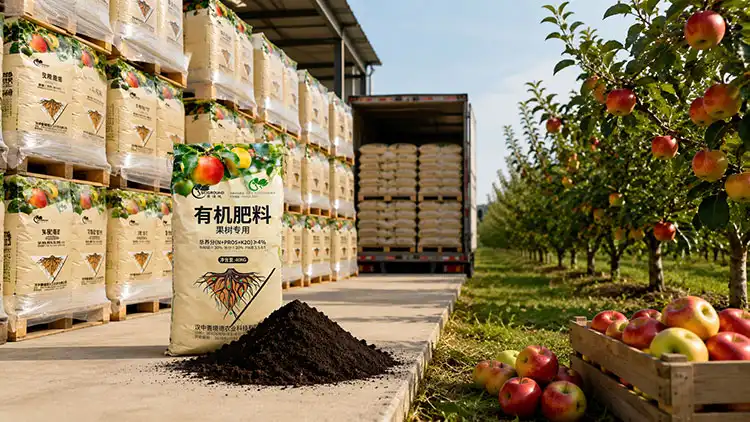
When compared to buying organic fertilizer in stores or in small amounts, buying it in bulk saves you a lot of money. Volume savings usually start at pallet quantities and get a lot bigger when you order truckload amounts. A 500-acre apple farm can save 25–40% on fertilizer costs by buying in bulk instead of in smaller amounts during the growing season. Aside from the price benefits, buying in bulk ensures that there is enough inventory for quick application during optimal times. This means that there are no operational delays caused by supply gaps during critical periods. When clients work with Sciground, they like that our 6,000-square-meter production plant can keep up with big orders and keep wait times constant. This gives businesses that manage large areas of land more confidence in their planning.
Storage and Handling Considerations
For large purchases to work, the right holding facilities are needed. Granular organic fertilizers keep their quality when they are stored in closed areas that keep out moisture while still letting air flow. If you store them properly, most high-quality organic foods will stay good for 12 to 18 months. This means you can buy them strategically during off-peak times when prices may be lower. Make sure you correctly predict your yearly needs to get the most out of your storage space without tying up too much working capital in inventory. When storing liquid organic fertilizers, they need to be kept at a certain temperature so that they don't separate or freeze in cold places.
Building Supplier Partnerships
When you buy things from people in transactional relationships, your supply chain becomes weak. Creating relationships with companies that make organic fertilizer has benefits that go beyond negotiating prices. Committed providers will put your orders at the top of the list during times of high demand. They will also offer expert support to help you get the most out of your applications and may be able to change the formulations to fit the conditions in your crop. At Sciground, we see our agreements with industrial growers as ones in which both parties work together. Our agronomic team, which is led by Professor Liang Dejun and has more than 20 years of experience developing organic fertilizers, helps clients get the most out of their fertilizer plans through ongoing advice. This technical help is a big plus that can't be gotten from a friendship based on transactions alone.
Why Wholesale Organic Fertilizer Is the Preferred Choice for Sustainable Fruit Production
Modern fruit production is moving more and more toward organic methods that balance economic success with caring for the environment and marketplace.
Regulatory Compliance and Market Access
The number of people wanting organic food is still growing faster than the amount that can be produced. This means that approved organic businesses can charge higher prices. Switching to Wholesale Fruit Tree Organic Fertilizer is an important step toward organic approval for businesses that want to get into these more valuable markets. In addition to organic premium markets, traditional farms are also having to deal with stricter rules on the use of toxic fertilizers, especially when it comes to protecting water quality. Organic planting programs make it easier for businesses to follow the rules and put them in a good situation as environmental standards change. Some states, like California and Washington, have rules about managing nutrients that are easier to meet with organic methods than with manmade fertilizer programs.
Environmental Impact and Corporate Responsibility
Commercial agriculture is becoming more and more aware of how environmental performance affects the long-term success of a business. Organic fertilizers lower the risk of nitrates polluting waterways, cut down on the greenhouse gas emissions that come with making synthetic nitrogen, and help wildlife by making the soil more alive with living things. These benefits for the environment are in line with business sustainability efforts that big fruit buyers and stores now demand from their suppliers. Documenting your organic fertilization program gives you measurable sustainability measures that meet customer needs and may help your business become a desired provider for large buyers who put environmental responsibility high on their list of priorities in their supply chains.
Performance Credibility and Industry Recognition
There is less doubt about how well organic fertilizers work now that study papers and real-world experience show that they can get results as good as or better than manmade programs. Tests done by outside groups regularly show that when organic fertilization is handled correctly, it produces results that are similar to synthetic methods while also improving long-term measures of soil health. Our goods at Sciground are well-known because they have been through a lot of field tests and have patents for special formulas. This trust is important when making big choices about purchases that will affect how productive your business is. Quality organic fertilizers like ours are made by combining old farming knowledge with new scientific discoveries. This is the way of the future for professional fruit production.
Ready to Transform Your Orchard Productivity with Quality Organic Fertilizer?
Sciground gives decades of specialized knowledge in developing organic fertilizer right to your business. For fruit trees, our team from the Northwest Academy of Agricultural Sciences has made goods with controlled fermentation and high-temperature sterilization methods that include animal manure, peat moss, and trace elements that are perfectly balanced. As a company that only makes organic fertilizer, we have strict quality control measures in our 3,500-square-meter production center. This makes sure that every shipment gives your business orchard the regular results it needs.
Conclusion
Commercial growers can use Wholesale Fruit Tree Organic Fertilizer as a strategic tool to jointly address several practical objectives. The agricultural benefits include better soil health, a balanced diet, and stable yields. The economic benefits come from buying in bulk, and there are positioning advantages in markets that are changing. For organic fertilizer to work, you need to buy it from reputable sources, plan how it will be used, and think of it as an investment that will last rather than a simple input replacement. Businesses that use this method create productive, hardy trees that can keep doing well through all four seasons. They also meet the environmental standards that are becoming more important for getting into markets and getting higher prices.
FAQ
What quantity of organic fertilizer should I apply per acre in my fruit orchard?
Rates of application depend on the type of tree, its age, and the amount of nutrients in the soil. Organic fertilizer needs vary from 50 to 100 pounds per tree per year for young trees to 150 to 300 pounds per tree per year for older trees that produce crops, based on crop load and vigor. Testing the soil gives us important standard information for setting rates. For established trees, a general rule of thumb is that they should get 800 to 1,200 pounds of high-quality organic fertilizer per acre per year, split between base treatments during the dormant season and extra feeding during the growing season.
How does organic fertilizer compare to synthetic options in terms of nutrient availability?
Unlike manufactured goods, which release nutrients quickly, organic fertilizers release nutrients slowly over a long period of time. This is because the nutrients are broken down by microbes. This slow-release pattern lowers the amount of nutrients that are lost through leaching and better matches how fruit trees take in nutrients. As soon as organic sources are applied, soil microbes start to release nutrients. These nutrients keep coming out throughout the growing season, which helps trees keep performing well without the growth spurts and subsequent nutrient deficiencies that can happen with synthetic fertilizers.
Contact Sciground for Your Wholesale Organic Fertilizer Needs
Sciground is ready to help you grow market fruit with Wholesale Fruit Tree Organic Fertilizer, organic chemicals that were made using scientific methods and have been tested in the field. In the market for organic fertilizer, we stand out because we are dedicated to quality, honesty, and agricultural support. Contact [email protected] right away to get full product details, set up testing of samples, or talk about special formulations that are made to fit your orchard conditions and output goals.
References
1. Brady, N.C., and Weil, R. R. "The Nature and Properties of Soils, 15th Edition." Pearson Education, 2016.
2. Diver, S., Kuepper, G., and Born, H. "Organic Tree Fruit Production Guide." National Center for Appropriate Technology, Appropriate Technology Transfer for Rural Areas, 2018.
3. Glover, J.D., Reganold, J.P., and Andrews, P. K. "Systematic Method for Rating Soil Quality of Conventional, Organic, and Integrated Apple Orchards." Agriculture, Ecosystems & Environment, 2020.
4. Peck, G.M., and Andrews, P. K. "Orchard Nutrition Management and Soil Fertility in Organic Fruit Production." Washington State University Extension Publication, 2019.
5. Sullivan, D.M., Cogger, C.G., and Bary, A. I. "Fertilizing with Organic Materials." Pacific Northwest Extension Publication, Oregon State University, 2021.
6. Watson, M.E., and Mullen, R. W. "Understanding Soil Tests for Plant-Available Nutrients." Ohio State University Extension Bulletin, 2017.

Sciground
Shanrangde, in collaboration with a team of experts from the former Academy of Agricultural Sciences, focuses on developing patented organic fertilizers, including those specifically formulated for Corydalis rhizome. Chief expert Professor Liang Dejun, with over 20 years of industry experience, provides one-stop technical guidance from site selection to field management, helping farmers increase production and income.
Formulated by the original expert team from the Academy of Agricultural Sciences · Focused on organic nutrients specifically for crops
Contact us now to customize a green nutrition solution for your farmland.
Recommended Blog

How Does Balanced Liquid Fertilizer Help Plants Resist Disease?

How to Increase Gastrodia Root Quality with Specialized Fertilizer?
_1767870624598.webp)


