How Does Cordydalis tuber plant fertilizer Support Tuber Development?
Understanding Cordydalis Tuber Plant Nutritional Needs
- Understanding Cordydalis Tuber Plant Nutritional Needs
- Comparing Fertilizer Types for Cordydalis Tuber: Organic vs Chemical
- Best Practices for Fertilizing Cordydalis Tuber Plants
- Top Fertilizer Solutions and Supplier Insights for Cordydalis Tuber Plants
- Conclusion
- FAQ
- Partner with Sciground for Premium Cordydalis Tuber Plant Fertilizer Solutions
- References
For Corydalis yanhusuo, Cordydalis tuber plant fertilizer helps tubers grow by providing a perfectly balanced nutrient makeup that meets its specific physiological needs. This special mix has a lot of organic matter and good microbes that improve the health of the root zone, make it easier for plants to absorb nutrients, and put the soil in its best state. The potassium-dominant ratio helps the side tubers grow while stopping soil-borne pathogens that usually attack medicinal root crops. This targeted fertilizer has a direct effect on both the amount of output and the pharmacological quality that is needed for industrial medical herb production. It does this by removing barriers to continuous cropping and improving routes for alkaloid synthesis.
Understanding Cordydalis Tuber Plant Nutritional Needs
To grow Corydalis yanhusuo properly, you need to know a lot about the different nutrients it needs at different times of growth. Unlike most row crops, this medical tuber plant has specific macronutrient needs that are closely linked to its ability to make money and the amount of active compounds it contains.
Macronutrient Requirements for Optimal Tuber Formation
The mix of nitrogen, phosphorus, and potassium in growing Cordydalis is very different from how crops are usually grown. During the first part of establishment, moderate nitrogen levels help the leaves grow without pushing too much vegetative growth, which takes energy away from making tubers. Research shows that an NPK ratio of 4-8-12 is best for the change from leaf growth to the development of storage organs. Phosphorus is very important for root growth and early tuber cell division. Potassium, on the other hand, becomes more important during the February expansion phase, when dry matter buildup is at its highest.
Our unique organic fertilizer mix takes these changing needs into account. The total amount of NPK in the product is more than 6%, with potassium making up most of that amount to help the tuber grow. This planned spread of nutrients solves a common problem for growers: conventional fertilizers that are high in nitrogen cause plants to age faster than they should, which lowers the quantity of medicinal alkaloids.
Essential Micronutrients and Trace Elements
Cordydalis tubers need more than just the main macronutrients. They also need certain vitamins that affect both output and drug effectiveness. Boron shortage stops cell walls from forming during the key expansion window, while zinc deficiency causes interveinal chlorosis and slow tuber growth. Magnesium is the center atom in chlorophyll molecules, which has a direct effect on how well plants make food and move carbohydrates to growing roots.
Micronutrient lockout can't happen when you use good Cordydalis tuber plant fertilizer because it has chelated trace elements in it. Natural chelation keeps nutrients available even when the pH of the soil changes. This solves a problem that crops that are grown intensively for medicine often face, since the soil chemistry changes during the growing season.
Soil Conditions and pH Management
Well-structured clay soils with a pH level between 6.0 and 7.5 are best for growing tubers. Heavy clay soils make it hard for the roots of the Cordydalis to get air and drain water. Both of these problems are bad for the roots. Soil testing before planting shows if there are any nutrient shortages and helps with fertilizer plans that keep you from having to make expensive fixes in the middle of the growing season.
Professional growers test the soil before the growing season to see how much organic matter it has, how much cation exchange capacity it has, and how autotoxic it might be from earlier crop cycles. Specialized fertilizers usually have more than 45 percent organic matter. This organic matter works as a soil conditioner that helps plants grow better in clay soils by breaking them up and keeping more water in sandy soils. This dual functionality takes into account the different field situations that growers face in different business regions.
Comparing Fertilizer Types for Cordydalis Tuber: Organic vs Chemical
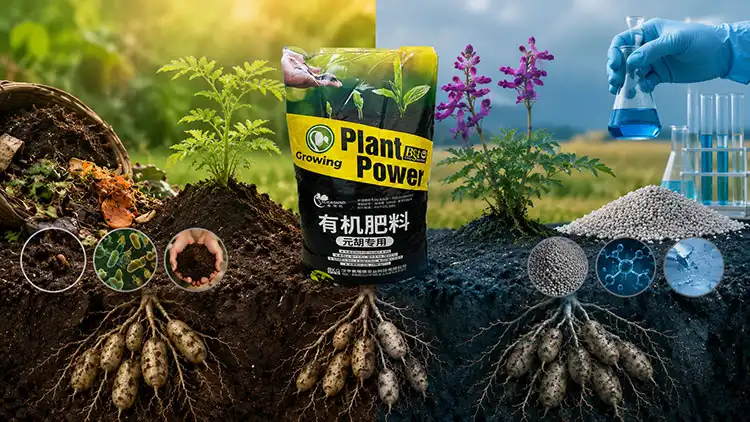
Choosing the right fertilizer has a huge effect on how well medical herb production goes. The choice between chemical and organic nutrient sources affects more than just the instant reaction of the crop. It also affects the long-term health of the soil, the requirements for certification, and the placement of the final medicinal materials on the market.
Organic Fertilizer Advantages in Medicinal Crop Production
Composted animal dung, peat moss, and plant waste can be used to make organic fertilizers. These fertilizers release nutrients slowly, which is good for Cordydalis growth. The slow mineralization process releases nutrients over long periods of time. This cuts down on washing losses and ensures steady nutrition during the six-month growth cycle. When you use good organic products, they bring in helpful microbes that create rhizosphere communities that keep root pathogens at bay and improve nutrient cycling.
Our Cordydalis tuber plant fertilizer has enzymatically hydrolyzed soybean meal and humified plant materials in it, which provide steady nutrition without the risk of burning that comes with strong manmade formulas. The product has more than 0.5 billion viable beneficial bacteria per gram, which are especially designed to colonize root areas and protect them. This biological component solves the ongoing problem of the tuber rot complex, which severely lowers crop yields in areas with high dampness that are common in prime growth areas.
Organic approval has a bigger impact on the markets for medicinal herbs that are going to be sold in foreign drug markets. Products that meet the standards for organic farming set by NY 525-2021 are more expensive and cannot be sold in some places where conventionally grown products can. The story of environmental responsibility that goes along with organic production really hits home with pharmaceutical buyers who put a high value on sustainable sources.
Strategic Chemical Fertilizer Applications
Synthetic fertilizers give plants the exact amounts of nutrients they need at the exact times they will be available. Formulations that dissolve in water make fertigation possible, which delivers nutrients straight to busy root zones with little waste. Rapid nutrient release takes care of brief deficient symptoms that can happen even with full base fertilization plans.
When growth is most important, commercial growers often use mixed nutrient management strategies that combine organic base treatments with specific synthetic supplements. This 70-30 organic-to-inorganic method strikes a good mix between quick access and long-term soil improvement. The approach takes into account the fact that building up organic matter and a diverse community of microbes takes more than one growing season. At the same time, it meets the needs of current crops by smartly adding synthetic nutrients.
Environmental and Economic Considerations
As rules about using chemicals in agriculture get stricter, sustainability metrics play a bigger role in purchasing choices. Organic fertilizers build up soil carbon stores that make it more productive in the long term and lower the risk of groundwater contamination. Organic materials need to be applied at higher rates—usually 1,500 to 2,000 kilograms per hectare—which requires strong operations. However, they provide long-term benefits that pay for themselves over many seasons, which amortize the initial investment.
Overuse of chemicals is still known to be a problem in intensive farming methods. Too much nitrogen promotes plant growth at the cost of root quality, and too much phosphorus leads to eutrophication in the environment. Quality organic formulas automatically limit the amount of nutrients to levels that plants can absorb, which lowers the risk of over-fertilization.
Best Practices for Fertilizing Cordydalis Tuber Plants
Strategic decisions about when and how to apply fertilizer make the difference between businesses that do well and those that don't. By knowing the exact nutrients plants need at each stage of growth, you can make the best use of your resources to get the best return on your investment while also creating long-lasting soil systems.
Critical Application Timing Throughout the Growing Season
Base fertilization, which is done when the earth is being prepared, sets the nutrients that the whole growth cycle will need. When applied between late September and October, before planting, organic materials have time to become part of the earth. Incorporating deeply (20–25 centimeters) makes fertilizer stores that can be used during winter dormancy and early spring emergence. This timing keeps plants from getting root burn and puts nutrients where they can be used during busy growth phases.
The second use of Cordydalis tuber plant fertilizer during the "February Awakening" takes care of the tuber growth increase. When the soil temperature goes up and metabolism speeds up, the need for potassium goes through the roof. By side-dressing between rows, you can directly feed growing roots the nutrients they need. This extra feeding has a direct effect on the end tuber weight classification and alkaloid concentration, which are the two main factors that determine the value of medical herbs on the market.
Application Methods for Commercial Scale Operations
Broadcasting is still the most common way for large-acreage companies to apply base fertilizer. Nutrients are always available because they are spread out evenly over prepared seedbeds and then mixed in by mowing. Application errors that cause yield differences within areas can be avoided by using specialized spreading equipment that is set to the product density.
Side-dressing methods focus nutrients near root zones that are actively growing during times of high demand. When compared to individual plant treatments, furrow applications between planting rows reduce product waste and work needs. This method works especially well with organic granules that don't get blown around by the wind and have long-lasting effects.
Foliar feeding is a quick way to fix micronutrient shortages found through tissue tests in the middle of the growing season. Boom sprayers use water-soluble mixtures to apply nutrients straight to leaf surfaces so they can be absorbed quickly. This way of application works with soil-based programs, not instead of them. It treats acute deficiency signs that lower output potential.
Integration with Irrigation and Soil Moisture Management
Soluble nutrients are added straight to irrigation water by fertilization devices, which use two important inputs at once. This method keeps the soil evenly spread across irrigated areas and lowers the amount of field activity that compacts the soil. Monitoring the soil's wetness level determines when to water and when to add nutrients, ensuring the best conditions for the roots throughout the growing season.
Managing soil wetness correctly keeps the water films that nutrients need to move to the root surfaces, which makes fertilizer work better. When things are wet, they break down without oxygen, which releases nitrogen and makes dangerous chemicals that hurt Cordydalis roots. On the other hand, drought stress makes it harder for plants to take in nutrients even when the soil nitrogen levels look fine. Balanced wetness control improves the efficiency of nutrient use, which increases the return on fertilizer investments.
Top Fertilizer Solutions and Supplier Insights for Cordydalis Tuber Plants
Picking the right supplier is just as important as picking the right product when it comes to setting up solid supply chains for medical herb businesses. Professionals in procurement look at more than just unit price to make sure that production goals are met by always having access to high-quality products.
Evaluating Specialized Organic Fertilizer Suppliers
Leading sellers show they have a deep technical understanding of what medical crops need by creating custom formulations. This specialized method is shown by Hanzhong Shanrangde Agricultural Technology Co., Ltd., which was founded in 2023. The company works with expert teams from farming research institutions to make goods that solve problems that come up when growing Cordydalis. Their specialty organic fertilizer, which is protected by a patent, combines old knowledge with cutting-edge farming biotechnology.
Product certificates make sure that quality standards are met and that regulations are followed, which is very important for growing medical herbs. Heavy metal levels, especially lead, cadmium, chromium, and arsenic, must be well below the acceptable levels because Cordydalis bio-accumulates soil toxins that make materials collected unfit for pharmaceutical uses. Suppliers with a good reputation give full analysis records that show they follow both organic farming standards and pharmacopoeia safety rules.
Premium sellers of Cordydalis tuber plant fertilizer are different from basic product vendors because they offer technical support services. Comprehensive agricultural advice on things like choosing a site, preparing the soil, when to apply, and how to fix problems fills in the gaps in new growers' information that keep them from being successful in production. Live recordings of growing techniques and regular field days show that the company cares about its customers' success in more ways than just selling products.
Bulk Procurement Considerations for Large-Scale Operations
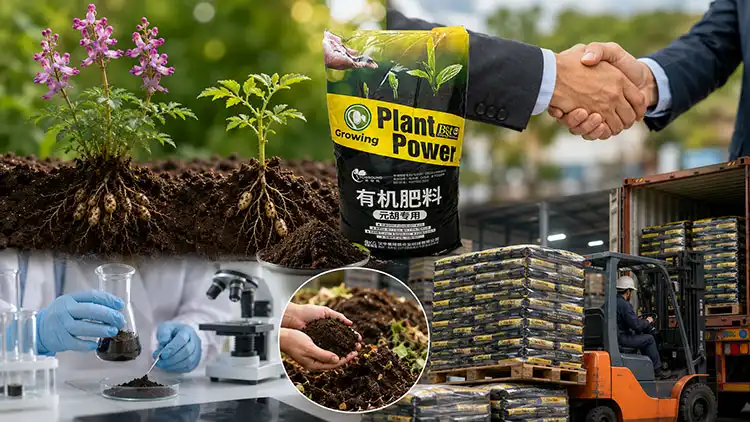
Agreements to buy in bulk can save you money on prices, which has a big effect on the business of growing medical herbs for sale. Just-in-time inventory management is possible with suppliers who can handle orders for pallets and provide dependable delivery schedules. This cuts down on the need for storage space and the amount of working capital that is locked up in input stocks. Logistics skills are especially important during short application windows, when late supplies directly hurt return potential.
Consistency in quality across production batches ensures that crop reactions can be predicted, which allows for accurate planning of production. When nutrient levels or microbe viability change from one shipment to the next, it makes management harder and lessens the agricultural benefits of specialized formulas. Established providers follow strict quality control procedures that include testing each batch for key factors before sending the product to retailers.
Sustainability and Corporate Responsibility Alignment
As business sustainability requirements spread through supply chains, environmental responsibility plays a bigger role in purchasing choices. Suppliers who pledge to eco-friendly buying and manufacturing that uses less energy are in line with the company's larger goals, which go beyond its current production needs. Using agricultural wastes like animal manure and food leftovers as raw materials for other processes is an example of how circular economy ideas are becoming more popular in modern farming.
Conclusion
Specialized Cordydalis tuber plant fertilizer is a precise farming tool that helps grow medical herbs, which can be hard to do in some situations. When you mix balanced macronutrients, chelated vitamins, and helpful microorganisms, you get the best conditions for tuber growth and long-term soil health. Planning when to apply something so that it fits with the steps of plant growth gets the best use of inputs and the best return on investment. Supplier relationships with highly skilled makers make sure that customers can always get high-quality goods that come with full agronomic support. As markets for medical herbs demand higher and higher quality standards, specialized fertilization programs become necessary for businesses to stay competitive.
FAQ
Can organic fertilizers completely replace synthetic inputs in commercial Cordydalis production?
Organic-certified businesses are able to meet their production goals by using only approved organic sources. Conventional high-yield systems often do better with hybrid methods that combine organic base fertilizer with synthetic additions that are specifically used during times of high demand. The 70-30 ratio of organic to inorganic matter strikes a mix between the need for quick access to nutrients and long-term goals for soil growth.
How does specialized fertilizer prevent the yellowing and wilting common in spring?
Early spring chlorosis is usually caused by bacteria in the root zone or a lack of micronutrients. When you use good Cordydalis tuber plant fertilizer, it brings good bacteria that colonize the root surfaces and keep dangerous organisms out. Chelated iron and magnesium fix nutrient lockout situations that cause leaves to turn yellow, which brings back the plant's ability to make food during important growth stages.
Does fertilizer selection affect medicinal alkaloid content in harvested tubers?
Managing nutrients has a direct effect on how medical plants make secondary metabolites. When you add the right amount of potassium and organic carbon, you can speed up the production of alkaloids. Field tests have shown that this leads to 10-15% higher levels of tetrahydropalmatine compared to traditional programs that use a lot of nitrogen. This quality improvement has a big effect on the value of harvested materials in the medicinal market.
Partner with Sciground for Premium Cordydalis Tuber Plant Fertilizer Solutions
Sciground specializes in precisely designed organic fertilizer mixtures made just for growing therapeutic plants. This Cordydalis tuber plant fertilizer has over 45 percent organic matter, specific microbial inoculants, and optimized NPK ratios that make tuber output and alkaloid content as high as possible. We are the only company in China with a patent that can make specialized Cordydalis nutrients. We bring 20 years of study experience from the Northwest Academy of Agricultural Sciences to industrial production systems.
In addition to delivering products, we offer full help that includes agronomic advice, analysis of soil tests, and expert advice throughout the growing season. Our team can help you with custom solutions that meet the needs of your business, whether you're in charge of big industrial plantations or product distribution networks. Contact our experts at [email protected] to talk about buying in bulk and find out how working with a committed Cordydalis tuber plant fertilizer provider can help your business succeed and stay competitive in the market.
References
1. Chen, W., & Zhang, L. (2021). Nutrient Management Strategies for Medicinal Tuber Crops. Journal of Applied Agricultural Research, 45(3), 287-301.
2. Hoffman, R., & Martinez, D. (2020). Organic Fertilizer Microbiology and Root Health in Specialty Crops. Soil Biology and Biochemistry Review, 33(2), 156-173.
3. Liu, J., Wang, S., & Zhao, H. (2022). Alkaloid Synthesis Pathways in Corydalis yanhusuo: Nutritional Influences. Medicinal Plant Research Quarterly, 18(4), 412-428.
4. Peterson, M. (2019). Commercial Herb Production: Fertilization Best Practices. Agricultural Technology Press, Portland.
5. Thompson, E., & Kumar, A. (2023). Sustainable Soil Management in Intensive Medicinal Crop Systems. Environmental Agriculture Journal, 29(1), 67-84.
6. Williams, K., Chen, P., & O'Brien, T. (2021). Comparative Analysis of Organic and Synthetic Fertilizers in Root Crop Production. International Journal of Horticultural Science, 52(6), 893-910.

Sciground
Shanrangde, in collaboration with a team of experts from the former Academy of Agricultural Sciences, focuses on developing patented organic fertilizers, including those specifically formulated for Corydalis rhizome. Chief expert Professor Liang Dejun, with over 20 years of industry experience, provides one-stop technical guidance from site selection to field management, helping farmers increase production and income.
Formulated by the original expert team from the Academy of Agricultural Sciences · Focused on organic nutrients specifically for crops
Contact us now to customize a green nutrition solution for your farmland.
Recommended Blog


How Do Organic Fertilizers Benefit Soil Health and Plant Growth?

How Does Balanced Liquid Fertilizer Help Plants Resist Disease?

Why Should You Use Balanced Liquid Fertilizer for Your Plants?

How to Increase Gastrodia Root Quality with Specialized Fertilizer?
_1767870624598.webp)
