Balanced Liquid Fertilizer for Turf: Best Choices in 2026
Why Professional Turf Managers Prefer Liquid Fertilization
- Why Professional Turf Managers Prefer Liquid Fertilization
- Understanding the Role of Balanced Nutrition in Turf Growth
- How Balanced Liquid Fertilizer Improves Turf Performance?
- Environmental and Management Advantages of Liquid Fertilizer
- How to Choose the Best Balanced Liquid Fertilizer in 2026?
- Application Strategies for Better Turf Results
- Procurement Factors for Large Turf Operations
- Sciground Turf Nutrition Solutions
- Conclusion
- FAQ
- Contact Sciground for Premium Balanced Liquid Fertilizer Solutions
- References
It's harder to choose the right balanced liquid fertilizer for grass in 2026 than it was in the past. You can't just choose a product with the right NPK ratio. Managers of sports fields have to think about how well nutrients are used, how adaptable applications are, what the environment needs, and how much maintenance will cost in the long run.
Many golf courses, sports fields, city lawns, and industrial areas are using liquid fertilizer more and more. This is because it provides nutrients more accurately, helps grass respond faster, and gives you more control over how the needs change with the seasons. Scientists at Sciground make professional yard food that helps keep the grass's colour, density, and ability to handle stress.
Why Professional Turf Managers Prefer Liquid Fertilization
For traditional granular fertilizers to work, it takes a lot of rain, irrigation, and good soil conditions for the nutrients to get to the grass. Poor soil conditions or uneven spread of water can cause nutrients to be released later than expected and growth that isn't steady.
A well-balanced liquid fertilizer gives grass nutrients in a form that they can easily take, making it better able to grow. This makes liquid applications very useful for high-performance turf areas that need to look good, recover quickly, and grow evenly.
Some important benefits are:
-
Greening that can be seen faster
-
More even colour and quantity of the grass
-
More control over the nutrition needs of different seasons
-
Less loss of nutrients due to uneven coating
-
More freedom for low-cost feeding programs that happen often
Maintaining regular grass performance is often more important than spreading big amounts of fertiliser all at once in places that get a lot of use, like football fields, golf greens, and training grounds.
Understanding the Role of Balanced Nutrition in Turf Growth
The right amount of nitrogen, phosphorus, and potassium should be in a balanced liquid fertilizer based on the needs of the grass. That being said, the best formula doesn't stay the same all year.
Nutrient levels are often changed in modern turf care systems based on the time of year.
Adjusting Nutrient Ratios for Different Growth Stages
During times of active growth, nitrogen is often emphasized to help leaves grow, colors get better, and plants recover from being mowed.
During times of worry, potassium becomes more important because it helps with:
-
Better ability to handle drought
-
Better ability to handle weather stress
-
Plant structure that is stronger
-
Usually, phosphorus is carefully controlled to help roots grow while avoiding applying it too much.
A lot of modern turf fertilizers have chelated micronutrients like iron, manganese, and zinc in them along with the major nutrients. These nutrients stay more steady in different types of soil and help keep shortages from happening because of nutrient fixation or pH levels that are too low or too high.
How Balanced Liquid Fertilizer Improves Turf Performance?
By giving plants nutrition when they need them most, a well-run liquid fertiliser program can make the health of the grass much better.
Common ways to improve success are
-
Root growth that is stronger
-
Better healing after heavy use
-
Better resistance to drought
-
More stable color for the grass as the seasons change
-
Better evenness of the surface
Instead of applying fertilizer at random, organized liquid feeding programs help turf managers keep growth patterns that are easier to predict.
This stability, supported by the use of balanced liquid fertilizer, can have a direct effect on the playing conditions, look, and cost-effectiveness of care for sports areas and golf courses.
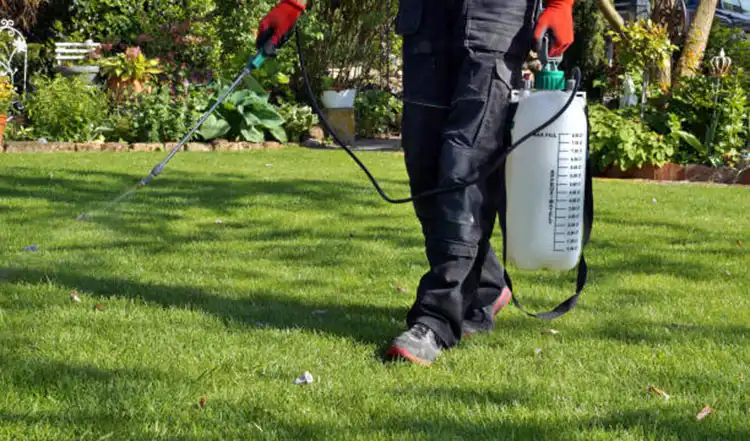
Environmental and Management Advantages of Liquid Fertilizer
A lot of professional sports sites now put a lot of emphasis on sustainable turf care. No longer is growth the only thing that shows how effective a fertilizer is; nutrient use and environmental impact are also taken into account.
A well-balanced liquid fertiliser helps with better lawn care by:
-
Cutting down on the chance of nutrient runoff
-
Allowing accurate rates of application
-
Improving how well nutrients are used
-
Getting rid of needless application passes
-
Bringing down the costs of labor and tools
Liquid fertilizer programs can also help make the soil healthy and boost microbe activity when used with the right soil management techniques and bio-based additives.
These operational benefits can save a lot of money over time for large turf fields.
How to Choose the Best Balanced Liquid Fertilizer in 2026?
More than the amount of nutrients in the fertilizer is needed to choose the right one. Professional buyers should think about the quality of the product, the needs of the application, and the supplier's abilities.
Evaluate Nutrient Stability and Formula Performance
A trustworthy fertilizer should keep working the same way while it's being stored, moved, and used.
Some important factors are:
-
Stability of formula
-
Compatible with mixing in tanks
-
Access to nutrients
-
Life of a storage shelf
Stable formulations make it easier to apply and help keep effects on the turf consistent.
Check Application Compatibility
The fertilizer should work well with current systems for taking care of grass, such as:
-
Sprayers on booms
-
Ways to water crops
-
Equipment for precise applications
Being able to work with existing tools helps boost productivity and cut down on practical changes.
Review Product Documentation and Quality Standards
Professional turf businesses should give more weight to providers who offer full technical documents, which should include:
-
Reports on quality testing
-
Data sheets for safety
-
Details about the product
-
Certifications for the environment when needed
Documentation that can be trusted helps buyers figure out how consistent and legal a balanced liquid fertilizer product is.
Consider Supplier Technical Support
A good fertilizer provider should offer more than just items.
Some examples of professional help are:
-
Advice for using the application
-
Seasonal planning for nutrition
-
Help with fixing problems
-
Customized services for mixture
Technical support is especially helpful when the grass is under a lot of stress or when growing conditions aren't what you expected.
Application Strategies for Better Turf Results
The right way to use even the best fertilizer is important for getting the results you want.
Timing Applications According to Turf Type
Schedules for applications should be based on the type of grass and the weather.
For turf that grows in cool weather:
Usually, spring and autumn are important times for growth.
For grass that grows in warm weather:
Using products in the summer can help with active healing and growth.
Changing the timing based on the conditions in the area helps get the most out of the nutrients.
Apply Under Suitable Weather Conditions
Don't use fertiliser right before it rains a lot, because too much water movement can make nutrients less available and raise the risk of runoff.
Usually, the best conditions are:
-
Moderately wet soil
-
The right temperatures
-
Not much rain is expected after application.
-
Use the Right Calibration Equipment
Use Proper Equipment Calibration
The way fertilizer is spread is directly affected by the tools used for application.
Some suggested actions are:
-
Keeping boom sprayers in balance
-
Choosing the right sizes
-
Checking the spray's coverage
-
Changing the rates of application based on what the turf needs
One of the most common reasons for uneven growth and grass damage is still wrong tuning.
Procurement Factors for Large Turf Operations
When professional turf facilities buy fertiliser, they should look at how reliable it is over the long term rather than how much it costs in the short term.
Some important factors in procurement are:
-
Supply that stays stable during busy times
-
Flexible options for buying in bulk
-
Needs for storing products
-
Quality that stays the same between batches
-
How fast the supplier responds
Unexpected shortages of fertilizer during key growth times can mess up field conditions, planned events, and funds for upkeep.
When turf managers work with a supplier with a lot of experience, they can keep nutrition programs going all year long.
Sciground Turf Nutrition Solutions
Sciground makes professional fertilizer options that meet the needs of current grass care.
Through its formulation and production facility in Hanzhong, China, Sciground helps turf professionals by:
-
Customization of NPK formulation creation
-
Adding micronutrients with chelation
-
Advice on how to use the technology
-
Distributors can get OEM and private label services.
Sciground is different from other providers because it focuses on blending composition knowledge with real application support.
This method helps turf managers set up dependable feeding plans with balanced liquid fertilizer that raise the quality of the turf, make care easier, and support long-term field performance.

Conclusion
In 2026, picking the right balanced liquid fertiliser for turf is a strategic choice that affects how the turf looks, how well it is maintained, and how much it costs to run.
For turf care to work, you need to do the following:
-
Nutrient formulas that are scientifically balanced
-
The right time to apply
-
Correct handling of equipment
-
Support from a reliable source
For professional turf managers, choosing the right fertiliser is no longer just about giving the grass nutrients. It's about making a turf performance system that is stable, effective, and long-lasting so that it gives the same results all year long.
FAQ
1. What makes balanced liquid fertilisers different from balanced solid fertilisers?
Liquid fertilisers make nutrients available right away by making them easier to dissolve and absorb. Granular goods need water in the soil to work, but liquids send nutrients straight to the roots and leaves of plants, so they can respond quickly.
2. How often should equal liquid fertilisers be put on grass?
How often you use it depends on the type of grass, the growing factors, and how the product is made. During busy growth seasons, most programmes need to be applied once a month, with changes made based on soil tests and eye assessment.
3. Are all types of grass safe to use liquid fertilisers on?
If you follow the advice on the package, good liquid fertilisers are made to work with broad grass. The right dilution rates and application times keep turfgrass species from getting hurt and help them grow healthily.
4. What are the rules for storing liquid fertiliser products?
Liquid fertilisers need to be kept in cool, dry places that are out of direct sunlight and away from temperature extremes. Proper keeping keeps the purity of the product, extends its shelf life, and stops it from crystallising or separating.
Contact Sciground for Premium Balanced Liquid Fertilizer Solutions
Sciground blends its science knowledge with top-notch production skills to create the best liquid fertilizer options for professional lawn care. As a reliable and well-balanced liquid fertilizer maker, we can meet your unique balanced liquid fertilizer needs with special formulas, reasonable prices, and full expert support. Our experienced team can help you with applications, yearly planning, and ongoing advice to make sure you get the best results throughout the growing season.
Get in touch with us right away at [email protected] to talk about your balanced liquid fertilizer needs and find out how our new products can help your turf management program. Distributors, purchasing managers, and people who work in lawn care who want to work with a trusted provider and get high-quality products are welcome to contact us.
References
1. Johnson, R.K., "Advanced Liquid Fertilizer Technologies for Professional Turf Management," Journal of Turfgrass Science, Vol. 34, 2024.
2. Martinez, S.L., "Nutrient Uptake Efficiency in Liquid vs. Granular Fertilizer Systems," Agricultural Research Quarterly, Issue 2, 2024.
3. Thompson, D.A., "Environmental Impact Assessment of Modern Liquid Fertilizer Applications," Sustainable Agriculture Review, Vol. 18, 2024.
4. Chen, W.H., "Economic Analysis of Liquid Fertilizer Programs in Commercial Turf Operations," Turf Management Economics, Spring 2024.
5. Anderson, M.P., "Soil Microbiology and Liquid Fertilizer Interactions in Turfgrass Systems," Soil Science International, Vol. 42, 2024.
6. Roberts, K.J., "Quality Standards and Certification Requirements for Professional Liquid Fertilizers," Industry Standards Review, Vol. 15, 2024.

Sciground
Shanrangde, in collaboration with a team of experts from the former Academy of Agricultural Sciences, focuses on developing patented organic fertilizers, including those specifically formulated for Corydalis rhizome. Chief expert Professor Liang Dejun, with over 20 years of industry experience, provides one-stop technical guidance from site selection to field management, helping farmers increase production and income.
Formulated by the original expert team from the Academy of Agricultural Sciences · Focused on organic nutrients specifically for crops
Contact us now to customize a green nutrition solution for your farmland.
Recommended Blog

How Do Organic Fertilizers Benefit Soil Health and Plant Growth?

Why Should You Use Balanced Liquid Fertilizer for Your Plants?
_1767870624598.webp)


