Organic Fertilizer Supplier for Efficient Orchard Management
Understanding Organic Fertilizer and Its Role in Orchard Management
- Understanding Organic Fertilizer and Its Role in Orchard Management
- How to Choose the Right Organic Fertilizer Supplier for Your Orchard
- Comparison of Top Organic Fertilizer Suppliers for Efficient Orchard Management
- Environmental and Economic Impact of Choosing Organic Fertilizer Suppliers
- Practical Steps to Procure Organic Fertilizer for Your Orchard
- Conclusion
- FAQ
- Partner with Sciground: Your Trusted Organic Fertilizer Manufacturer
- References
Finding a reliable organic fertilizer supplier transforms orchard productivity and soil vitality. We understand the challenges farmers and ranchers face when searching for sustainable soil amendments that deliver consistent yields without compromising environmental stewardship. A professional organic fertilizer supplier provides more than products—they offer technical guidance, quality assurance, and partnerships built on agronomic expertise that align with your orchard's unique requirements.
Understanding Organic Fertilizer and Its Role in Orchard Management
What Defines Quality Organic Fertilizer
Organic fertilizer represents carbon-based soil amendments derived from natural sources including animal manure, plant residues, and microbial byproducts. Unlike synthetic formulations that provide immediate nutrient uptake through soluble salts, organic products function through mineralization—a biological process where soil microorganisms gradually release nitrogen, phosphorus, and potassium over extended periods. This slow-release mechanism prevents nutrient leaching into groundwater and reduces the risk of root burn common with high-salt-index chemical alternatives.
Core Product Categories for Orchards
Based on soil and tree type, orchard managers choose from three categories. Composted manure-based formulations with balanced NPK ratios (4-3-3 to 5-5-5) are appropriate for young trees and older orchards. HPLC testing confirms pathogen eradication and antibiotic residue degradation after 15 days of aerobic fermentation at thermophilic temperatures over 55°C. Plant-based composts may restore deteriorated soils with weak structure because they include more organic matter, generally over 45% by dry weight. The 15:1–20:1 C: N ratio optimises mineralisation speed for season-long feeding without nitrogen immobilisation. When filtered via 120-mesh screens, liquid organic formulations, especially enzymatically hydrolysed amino acids, from a reputable organic fertilizer supplier ensure consistent quality and nutrient availability.
Production Standards and Quality Indicators
Good suppliers monitor quality throughout manufacturing. Granular goods are stored below 20% moisture to avoid microbial reactivation and caking. Mercury must be under 2 mg/kg, arsenic under 15 mg/kg, cadmium under 3 mg/kg, and lead under 50 mg/kg. Pathogen screening shows faecal coliforms < 1000 MPN per gram and no Salmonella in 25-gram samples, fulfilling USDA NOP and OMRI guidelines for certified organic operations.
How to Choose the Right Organic Fertilizer Supplier for Your Orchard
Assessing Orchard-Specific Nutritional Requirements
Understanding your soil's baseline conditions helps choose suppliers. Complete soil testing exposes pH, organic matter, and nutritional deficits to help choose products. Soil structure-improving formulas aid clay apple orchards, whereas sandy citrus fields need water-holding solutions. Instead of delivering one-size-fits-all solutions, the ideal provider offers technical consulting to tailor product specifications to these agronomic issues.
Evaluating Certification and Compliance
Professional activities are distinguished from unreliable sources by certification. We suggest checking vendors' OMRI, ECOCERT, or regional organic certificates. C14 study by independent parties confirms non-synthetic carbon isotope ratios. Batch-specific certificates of analysis should include NPK content, organic matter percentages, pH stability, and heavy metal screening findings. For your orchard to keep organic certification, openness shows excellent management systems and regulatory compliance.
Examining Production Capacity and Consistency
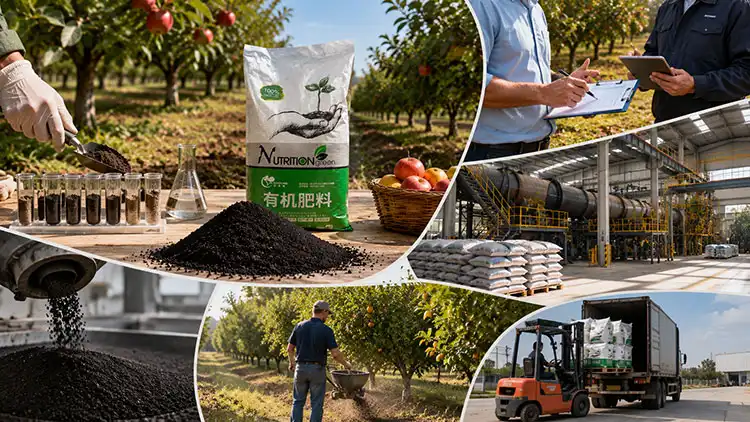
Supply chain dependability relies on supplier manufacturing infrastructure and inventory management. Factory tours demonstrate drum granulation technology, fermentation capacity, and storage conditions that assure product uniformity throughout seasons. Established companies have 3,500-square-meter manufacturing facilities with controlled-environment storage to avoid moisture intrusion and ensure product stability. Financially stable suppliers with registered capital above $1.5 million USD enable reliable raw material procurement and manufacturing schedules.
Analyzing Logistics and Service Infrastructure
Delivery reliability affects planting schedules and orchard management timelines. Evaluate supplier proximity to major transportation hubs, their established carrier relationships, and typical lead times from order placement to on-farm delivery. Minimum order quantities should align with your seasonal application volumes—bulk operators might require 20-ton shipments while smaller orchards need flexible 1-2 ton options. The strongest partnerships include post-delivery support: application rate calculations, timing recommendations based on phenological stages, and troubleshooting assistance when unexpected soil or plant responses occur.
Comparison of Top Organic Fertilizer Suppliers for Efficient Orchard Management
Evaluating Specialized Manufacturers
Large commodities producers and crop-specific manufacturers sell organic fertiliser. Standard NPK mixes from large worldwide organic fertilizer suppliers cost $280 to $420 per metric tonne for bulk shipments. These enterprises provide reliably throughout several growing areas via vast distribution networks. Product customisation is restricted, and technical assistance uses general application guidelines rather than orchard-specific agronomic advice. Scientific product development gives specialised businesses like Sciground an edge. These providers work with agricultural research universities to produce formulations for continuous cropping, fruit production trace element deficits, and soil pH buffering. Pome, stone, and citrus orchard mixes are optimised for specific nutrient absorption and soil amendment demands. Due to increased fruit quality grading and lower input needs, targeted effectiveness frequently yields a larger ROI than commodity goods despite 15-25% higher per-unit expenses.
Comparing Delivery Models and Payment Flexibility
Traditional vendors demand 10%–20 metric tonnes, 50% prepayment, and 90-day delivery. Large-scale enterprises with storage facilities benefit from this paradigm, while mid-sized orchards need seasonal procurement flexibility. Progressive vendors provide tiered pricing to make 2-5 tonne quantities economically possible while retaining quality. Payment periods of net-30 or net-60 optimise cash flow management, especially when synchronised with harvest revenue cycles. Container shipping for foreign purchases adds complications. Twenty-foot containers hold 20 metric tonnes of bagged merchandise, whereas forty-foot ones hold 26-28 tonnes, depending on bulk density. Experienced exporters offer phytosanitary certifications, certificates of origin, and material safety data sheets to speed customs clearance. Domestic vendors simplify imports but may have regional availability issues influencing year-round supply.
Environmental and Economic Impact of Choosing Organic Fertilizer Suppliers
Quantifying Soil Health Improvements
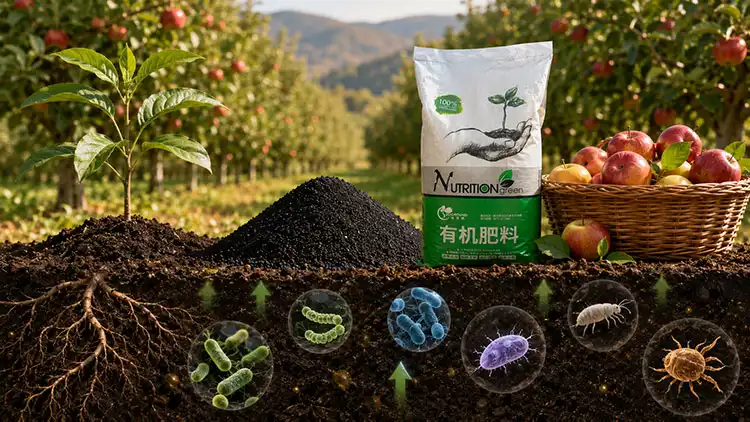
Ecological advantages from organic fertilisation programs increase throughout crop seasons. University study shows persistent organic programs increase orchard organic matter by 0.3-0.5% yearly, whereas synthetic-only regimes stagnate or decline. This organic matter augmentation boosts cation exchange capacity by 15-30%, helping the soil retain and release nutrients for trees. Water-holding capacity increases of 18-22% decrease irrigation frequency, saving water in drought-prone areas. Organic fertilisation boosts microbial diversity. Quality organic products increase beneficial bacteria numbers 4-7 times above chemically maintained orchards, enhancing nutrient cycling and competitively excluding soil-borne diseases. These biological advances minimise chemical fungicide and bactericide use, cutting input costs and groundwater and beneficial insect contamination hazards.
Calculating Return on Investment
Economic research shows long-term benefit despite greater initial expenses. Organic programs increased apple yields by 18% above synthetic controls in a three-year trial on 250 acres. More importantly, fruit quality improvements moved 35% of output into premium grading categories with 40-60% price advantages. Enhancing soil biology lowered micronutrient needs and increased fertiliser usage efficiency, reducing input costs by 12% by year two. ROI goes beyond production measurements. Organic certification premium price contributes $0.15–$0.35 per pound to most fruit categories, boosting income and offsetting transition period production fluctuation. Organic programs prevent acidification and salt buildup from synthetic programs, avoiding costly amendments. Successful implementation rates improve considerably with suppliers that provide complete technical assistance, boosting profitability and avoiding expensive application mistakes that jeopardise outcomes.
Practical Steps to Procure Organic Fertilizer for Your Orchard
Initiating Supplier Engagement
Professional procurement begins with detailed information gathering. Prepare documentation outlining your orchard's total acreage, primary fruit varieties, current soil test results, and existing fertility program details. This information allows potential suppliers to recommend appropriate products and calculate accurate volume requirements. Request product specification sheets detailing guaranteed analysis, organic matter content, C: N ratios, moisture levels, and physical form—granules, pellets, or powder—to assess compatibility with your application equipment. Sample testing represents critical due diligence before committing to bulk purchases. Reputable organic fertilizer suppliers provide 5-10 kilogram samples at nominal cost or complimentary for serious prospects. Apply these samples to representative orchard sections, monitoring tree response over 60-90 days while conducting follow-up soil testing to verify nutrient mineralization rates and pH buffering effects. This trial period reveals product performance under your specific conditions, reducing risk when scaling to full-acreage implementation.
Negotiating Terms and Specifications
Contract discussions should include operational issues beyond unit cost. Compared to spot purchases, volume commitment levels provide 8–12% reductions on yearly quantities between 50–100 tonnes. Delivery timing clauses reduce on-farm storage issues by aligning product arrival with application periods. Split distribution allows several seasonal uses without prior purchase or yearly volume storage. Quality guarantees prevent poor delivery. For guaranteed analysis, contracts should include acceptable variation limits (usually ±0.5% for NPK values) and testing methodologies for discrepancies. Quality failures may be addressed by moisture damage, contamination, or certification return procedures. Performance clauses where providers share liability if goods fail to satisfy reasonable agronomic expectations under suitable application circumstances are the strongest.
Leveraging Technical Support Resources
Comprehensive agronomic services from distinguished providers add value beyond product delivery. Technical teams should calculate application rates based on soil test findings and yield targets to avoid guessing and needless under- or over-application. Seasonal timing advice optimises nutrient availability by timing treatments during bloom, fruit development, and post-harvest recovery, when plants absorb the most. Support is crucial when unforeseen issues develop. When leaf discolouration, diminished vigour, or other fertility concerns occur, suppliers with competent agronomists help quickly. Results, formulas, and lessons gained are reviewed annually to improve strategy for future seasons. This collaborative strategy turns suppliers into partners involved in your orchard's long-term production and profitability.
Conclusion
Organic fertiliser supplier choice affects orchard profitability, environmental responsibility, and soil health. Quality vendors supply certified organic formulas, crop-specific technical knowledge, and dependable logistics to boost operational efficiency. Production capacities, certification validity, and service infrastructure must be evaluated to ensure effective relationships throughout numerous growing seasons. Economic research shows positive ROI from increased yields, fruit quality, and lower inputs. Environmental advantages including restored soil biology, enhanced water retention, and less chemical pollution combine agricultural prosperity with ecological responsibility, providing generations-long productive orchard systems.
FAQ
1. Does organic fertilizer release nutrients too slowly for high-demand orchard crops?
Nutrient release timing depends on the carbon-to-nitrogen ratio and soil temperature conditions. While base mineralization provides season-long feeding, bridge feeding strategies using liquid organic fractions such as amino acids or fish hydrolysate deliver plant-available nutrients immediately during critical fruiting stages. Bio-fortified blends incorporating microbial inoculants accelerate mineralization rates, addressing peak demand periods without compromising the slow-release benefits that prevent leaching and root stress.
2. How do suppliers ensure manure-based products contain no antibiotic residues?
Industry-standard aerobic fermentation at sustained thermophilic temperatures between 55°C and 65°C for a minimum of 15-day periods thermally degrades most veterinary antibiotic compounds. Premium products undergo high-performance liquid chromatography testing certifying antibiotic-free status. Suppliers sourcing from certified organic livestock operations further minimize residue risks, as organic animal husbandry prohibits routine antibiotic administration, ensuring cleaner raw material inputs from production outset.
3. Will organic fertilizer clog fertigation systems in modern orchards?
Unprocessed slurries and incompletely composted materials will obstruct drip lines and emitters. Fertigation applications require enzymatically hydrolyzed liquid organic formulations with 100% water solubility and particle sizes below 100 mesh. Installing 120-mesh disk filters downstream provides additional protection. Properly processed liquid organics integrate seamlessly with modern irrigation systems, combining nutrient delivery efficiency with organic certification compliance.
4. What causes unpleasant odors and how are they controlled?
Foul smells indicate incomplete composting under anaerobic conditions, producing hydrogen sulfide and excess ammonia. Fully matured organic fertilizer completes aerobic fermentation phases, developing earth-like aromas from geosmin compounds. Quality products pass Solvita maturity index testing, confirming stable organic matter that won't generate odor during storage or after field application. Selecting suppliers with controlled aerobic composting infrastructure ensures pleasant-handling products meeting maturity standards.
Partner with Sciground: Your Trusted Organic Fertilizer Manufacturer
Sciground brings over 20 years of research expertise to orchard nutrition through our collaboration with Northwest Academy of Agricultural Sciences experts. Our organic fertilizer supplier's specialized organic fertilizer formulations address the precise challenges orchard managers face—continuous cropping obstacles, trace element deficiencies, and soil structure degradation. Each product undergoes rigorous quality verification, maintaining organic matter content exceeding 45% and strict heavy metal limits verified through independent laboratory testing.
Our 6,000 square meter production facility in Hanzhong delivers consistent product availability with flexible order quantities from 2 to 200 tons. We provide comprehensive technical guidance from soil analysis interpretation through post-application monitoring, ensuring optimal results under your specific growing conditions. Our team regularly conducts on-farm training and offers live technical broadcasts addressing seasonal management challenges. Contact our agronomic specialists at [email protected] to request product samples, discuss customized formulations for your orchard varieties, or obtain detailed quotations aligned with your procurement requirements.
References
1. Brady, N.C., and Weil, R.R. (2016). The Nature and Properties of Soils, 15th Edition. Pearson Education, Upper Saddle River, New Jersey.
2. Gaskell, M., and Smith, R. (2007). Nitrogen Sources for Organic Vegetable Crops. HortTechnology, Volume 17, Issue 4, American Society for Horticultural Science.
3. Stockdale, E.A., Lampkin, N.H., and Hovi, M. (2001). Agronomic and Environmental Implications of Organic Farming Systems. Advances in Agronomy, Volume 70, Academic Press.
4. Sullivan, P. (2003). Applying the Principles of Sustainable Farming. National Sustainable Agriculture Information Service, ATTRA Publication.
5. Watson, C.A., Atkinson, D., and Gosling, P. (2002). Managing Soil Fertility in Organic Farming Systems. Soil Use and Management, Volume 18, British Society of Soil Science.
6. Zhu, Y., Chen, H., and Fan, J. (2011). Genetic Diversity and Disease Control in Rice. Nature, Volume 406, Nature Publishing Group.

Sciground
Shanrangde, in collaboration with a team of experts from the former Academy of Agricultural Sciences, focuses on developing patented organic fertilizers, including those specifically formulated for Corydalis rhizome. Chief expert Professor Liang Dejun, with over 20 years of industry experience, provides one-stop technical guidance from site selection to field management, helping farmers increase production and income.
Formulated by the original expert team from the Academy of Agricultural Sciences · Focused on organic nutrients specifically for crops
Contact us now to customize a green nutrition solution for your farmland.
Recommended Blog


What Makes Cordydalis Tuber Plant Fertilizer a Premium Choice?

What Factors Affect Silybum marianum Organic Fertilizer Price?

How Does Cordydalis Tuber Organic Fertilizer Improve Plant Resistance?

Why Is Wholesale Fruit Tree Organic Fertilizer Ideal for Tuber Crops?

How Should Cordydalis Tuber Organic Fertilizer Be Stored Safely?
