How Often Should You Apply Water‑Soluble Fertilizers?
Understanding Water-Soluble Fertilizers and Their Application Frequency
- Understanding Water-Soluble Fertilizers and Their Application Frequency
- Factors Influencing How Often to Apply Water-Soluble Fertilizers
- Comparing Water-Soluble Fertilizers to Other Fertilizers for Application Frequency
- Best Practices for Applying Water-Soluble Fertilizers for Various Uses
- Optimizing Procurement and Selection for Your Business Needs
- Conclusion
- FAQ
- Partner with Sciground for Superior Water-Soluble Fertilizer Solutions
- References
There are seven to fourteen days during the growth season when water-soluble fertilizers should be used. This depends on the type of food, its stage of development, and the surroundings. High-value plants like vegetables and fruit trees do best when they are fed once a week during their busiest growing times. Plants that come back every year might need to be fed every other week. Making sure that the supply of nutrients matches the demand cycles of plants is important to keep them from getting too many or too few nutrients. Farmers watch things like the health of the plants, the amount of water in the soil, and the regular patterns of the weather to figure out how often to use fertilizer and get the best crop return.
Understanding Water-Soluble Fertilizers and Their Application Frequency
Find out about water-soluble fertilizers and how often you should use them.
Water-soluble fertilizers are a huge step forward in crop nutrition because they give plants important macro- and micronutrients directly to their roots. Unlike other powdered fertilizers, these ones release nutrients right away instead of slowly over time. Because of this, they are great for controlled feeding programs and precision farms.
The Science Behind Nutrient Delivery
Modern fertilizers are made with pure ingredients like potassium nitrate, monoammonium phosphate, and chelated vitamins. These ingredients break down in water 99–100% of the time. As a result, there is no chance of dirt building up, and nutrients are spread out properly throughout the root zone. Researchers have found that fertigation methods that use soluble fertilizers can get over 85% of the nutrients that are used. Regular streaming ways only get 30–40% use, so this is a lot more than that.
Critical Timing for Optimal Results
How well things do and how quickly resources are used are both affected by how often applications are made. Soluble fertilizers take in nutrients quickly, so they need to be put down at the right time to meet plants' needs. If you want the plants to grow leaves and biomass, you should treat them once a week during the vegetative growth phase. People often find that plants do better when they change the way they eat to focus on getting phosphorus and potassium to them so that flowers and veggies grow faster.
Not putting in at the right time has effects besides getting worse results. Too much application can lead to root damage, salt buildup, and loss of nutrients. When you don't apply enough, shortage signs show up, which lowers the quality of the crop and its market value. Farms that make a living use soil tests, plant tissue analysis, and environmental tracking to make sure they use the right chemicals in the right way to boost output and profits.
Factors Influencing How Often to Apply Water-Soluble Fertilizers
There are several things that affect how often you should use water-soluble fertilizers.
There are many things that affect each other and determine the best frequency of application. This means that the management goals, the food traits, and the environmental factors must all be carefully thought through. Growers can make custom food plans that make the most of their resources and keep costs low if they know these things.
Crop-Specific Requirements
When it comes to how often they need to be treated, crops take in nutrients and grow at different rates. Fast-growing vegetables like cabbage, spinach, and plants usually only need to be fed once a week while they are growing. This is because they need to make food quickly. Every two weeks is often best for fruit trees and yearly crops during their spring growth spurts. Applications should be made less often when the system is not active.
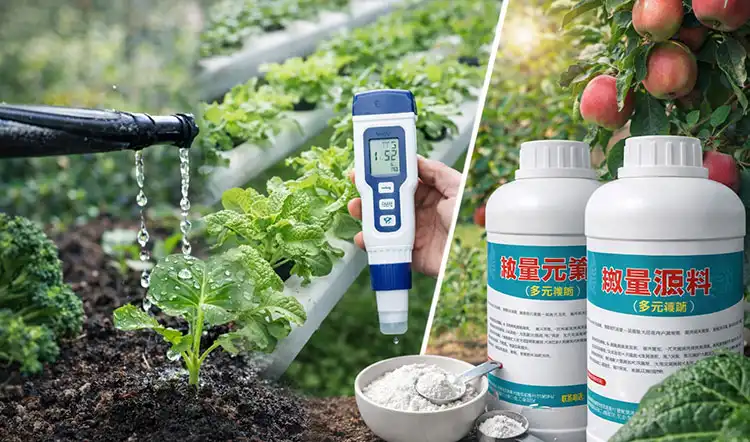
Taking care of nutrient solutions is necessary for plant growth in hydroponic systems, which can be hard to do. In places like these that don't have soil, nutrients need to be supplied constantly or every day through systems that move the nutrients around. It checks the electrical properties to make sure that the right amounts of minerals are present.
Environmental Factors and Soil Conditions
What the earth is made of has a big impact on how well nutrients are stored and made available, which means that you should apply them at different times. It's important to work loose, low-organic matter soils more often because nutrients are washed away fast. Clay-based soils may keep nutrients for longer, but they are harder to spread out properly. Between 6.0 and 7.0 is the best pH level for nutrients. You might have to change how often and how much you apply if the pH is too high or too low.
How quickly plants take in nutrients and when they should be given to them are all affected by temperature, humidity, and the way it rains. To keep plants from getting too stressed by salt when it's hot, you might need to apply less salt and more often. Now and then, when it's cool outside, you can wait longer between treatments.
Application Methods and Equipment Considerations
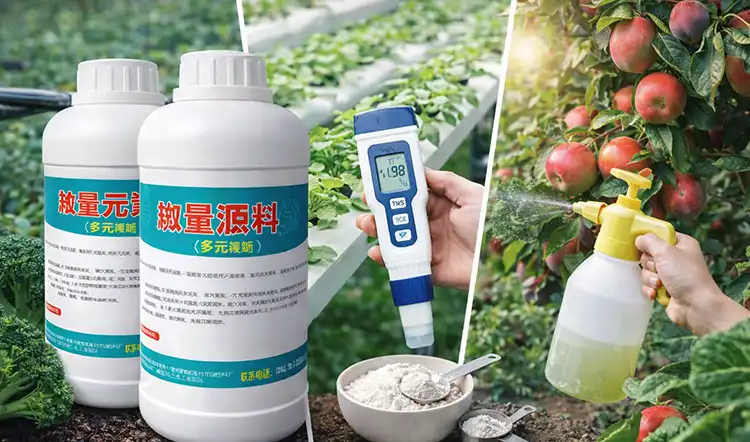
How often it needs to be done and how well the nutrients are supplied depend on how it is applied. With a drip irrigation system, you can water plants accurately and often with little work. This means that feeding them every day or every other day is a cheap choice. During the summer, treatments to the leaves are usually done once a week. This quickly makes up for any missing nutrients and makes the fruit taste better.
When it can be used in real life depends on the powers of the tools used for fertilization. Nutrients can be precisely delivered at the right time for each watering cycle with modern pumping systems that have controlled controls. If you mix by hand, on the other hand, you might need to do treatments less often because they take more time.
Comparing Water-Soluble Fertilizers to Other Fertilizers for Application Frequency
When you compare how often water-soluble fertilizers work to other types of nutrients, in terms of application flexibility and nutrient availability, water-soluble fertilizers are superior to regular fertilizers. Farmers can choose the right things for their output goals and the limits of their activities when they know these differences.
Immediate vs. Gradual Nutrient Release
Over the course of 6 to 12 weeks, granular fertilizers release nutrients as they break down slowly and are broken down by bacteria. You have to use this longer release approach less often, but you can't control when the nutrients are released as well. That way, farms can quickly adapt to changes in the climate and plant needs because water-soluble formulas give plants nutrients right away after they are used.
It is possible to use accurate food plans that match the amount of nutrients to different stages of growth because soluble nutrients are available quickly. People who garden can give plants more phosphorus when they are blooming to help the blooms form. During the growing stages, fruit with higher potassium amounts tastes better and lasts longer.
Cost-Benefit Analysis for Different Systems
Water-soluble fertilizers generally cost more per unit than granular ones, but because they work better and can be used in more ways, the total cost of production per unit can be cheaper. Research shows that when soluble fertilizer is used properly, projects usually get 20–30% more out of the nutrients they use. Overall, this means that less fertilizer is needed, but crops stay the same or go up.
It takes a lot of different kinds of work to make each type of fertilizer. You may need special tools and careful placement for fine uses in order to get a smooth spread. If you already have a way to water your plants, you can use soluble fertilizers instead. People don't have to do two different jobs in the field when fertilization and normal irrigation plans can be used together. This saves money on work.
Sustainability and Environmental Impact
These days, fertilizers that dissolve in water tend to be better for the environment because they lower the amount of nutrients that run off and harm rivers. With precise application, only the right amount of extra nutrients is put on the soil, and plants taking them up right away make it less likely that nutrients will be lost through leaching or volatilization.
Organic water-soluble options made from enzymatic protein breakdown can be used by eco-friendly growers as long as they can do everything that man-made solutions can do. Lots of the time, these items can be labeled as organic and still work just as well as regular ones.
Best Practices for Applying Water-Soluble Fertilizers for Various Uses
For water-soluble fertilizer projects to work, they need to be managed in a way that considers both practical problems and best practices for farming. Growers make thorough plans to make sure that plants always get the food they need to stay healthy and produce fruit.
Vegetable Production Systems
When crops are growing the fastest, large vegetable farms usually use chemicals once a week. However, this can change based on the crops and the weather. In the first three to four days after transplanting, weak solutions should be used to speed up root growth without causing salt stress.
Plans for vegetable fertilization need to do these key things:
• Every three to four days, when the seedlings are young, use weak liquids (0.5 to 1.0 EC) to help the roots get strong.
• Full-strength solutions (1.5–2.0 EC) should be used once a week to help plants grow. The focus should be on nitrogen.
• When the plants are blooming, stick to the weekly schedule but switch to types that have more phosphorus.
• To improve the quality of the fruit, keep using high-potassium treatments once a week.
Through these methods, growers can keep plants at their best nutritional level throughout the production cycle. These methods also let them react to changing food needs and weather conditions.
Hydroponic and Controlled Environment Agriculture
For soilless ways of production to work, nutrients must be carefully managed, and the solution's strength and pH must be checked all the time. Sometimes, nutrient solutions in professional hydroponic systems are kept at 1.2 to 2.5 EC, but this can change based on the type of plant and its growth stage. Every day, the processes are checked and made right.
If you have a recycling system, you need to change the solution every 7–14 days. This keeps the nutrients in balance and the salt from building up. It's easier to work with systems that don't recycle, but you have to keep a close eye on them to make sure they don't lose water or hurt the environment.
Fruit Tree and Orchard Management
For fruit trees that are already established, food plans that work with the trees' natural growth stages are best. Feeding in the spring is mostly about helping leaves and new plants grow. During the summer, eating is mostly about making fruits bigger and better. Based on the weather, treatments are often slowed down or stopped during the quiet season.
To get young trees to grow quickly, you need to feed them more often. For older trees, once a month or every two weeks works well. Putting things on fruit leaves while it's growing can make it taste better, have more sugar, and store better.
Optimizing Procurement and Selection for Your Business Needs
When looking for water-soluble fertilizers, it's important to think about things like quality standards, professional help, and how reliable the supply chain is. Businesses that farm make thorough plans for what they will buy so that they always have what they need at the best price.
Quality Standards and Product Specifications
So that irrigation systems don't get stuck, the best water-soluble fertilizers have to show that they dissolve all the way and have less than 0.5% solid matter. The pH level and electrical conductivity should not change from one batch of output to the next. This will make it easy to manage the plant and make sure it reacts in a predictable way.
Micronutrient goods need chelation technology that uses EDTA, DTPA, or EDDHA chemicals to keep nutrients from settling in soils that are too acidic. Anyone honest will give you an analysis report that tells you everything you need to know about the nutrients, stability, and purity levels of each batch of their product.
Supplier Evaluation and Partnership Development
Suppliers that you can trust have stable product quality, professional know-how, and the speed to help customers. Companies that have been around for a while usually have quality control systems that meet world standards. They do this to make sure their goods are always the same, and they follow all the rules in every market around the world.
Provider ties are much more valuable when they come with technical support services like farming advice, application training, and help with fixing problems. Growers can get the most out of the fertilizer they buy by getting full technical help from companies like Sciground. These companies help growers choose the right product, use it, and keep it running at its best.
Bulk Purchasing and Inventory Management
Deals that let you buy a lot of something usually save you a lot of money and make sure that you can get the item when it's in high demand. Using regular buying strategies can help farming companies better manage their cash flow and make sure they have enough goods for the next crop cycle.
To keep the product's quality while it's being stored, you need to think about things like keeping the right temperature, preventing moisture from getting in, and treating the product in the right way. If you store them correctly, good water-soluble fertilizers will usually stay stable for two to three years. This lets you plan your inventory without thinking about quality loss.
Conclusion
You should think about the crop's needs, the climate, and the operation's skills all at the same time when deciding how often to use water-soluble fertilizers. When plants are growing quickly, once-a-week treatments work well for most of them. On the other hand, based on the situation, some systems may need to be fed every day or more often. To be successful, you need to keep a close eye on the plants, the soil, and other outside factors so you can adjust when you use the chemicals. When professional farms work with experienced suppliers, they can get the most out of their crops and fertilizer programs. These suppliers should be able to offer expert advice, high-quality goods, and dependable service.
FAQ
How often should I use water-soluble fertilizers on my vegetable plants?
During times of high growth, treating veggie plants once a week generally helps them do better. Wet solutions may need to be fed to young seeds every three to four days, but full-strength doses once a week are fine for plants that are already full-grown. Based on the temperature, change the timing. Use it less often when it's cool and more often when it's hot.
Can I use chemicals that dissolve in water every day in hydroponic systems?
Applications are often made every day in hydroponic systems, especially ones that don't move the water around. If you want to protect crops from electricity, keep the conductivity between 1.2 and 2.5 EC. Most of the time, recycling systems only need a full solution change every 7–14 days, instead of adding a new solution every day.
How bad will it be if I use too many pesticides that dissolve in water?
When there is too much of it, salt can build up in the soil or growth medium. This can hurt the roots and make the plant work less well. Some signs are leaves turning yellow around the edges, slow growth, and fruit that isn't as good. If you see signs of salt stress, lower the frequency or amount of the treatment. Keep an eye on the levels of electrical conductivity.
What does it mean when the weather changes how often this is written?
Plants need more water and nutrients when it's hot and dry, so they usually need to be treated more often and with a little less. Food is taken in more slowly when it's cool and wet, so you can go longer without treatments. Don't put anything on the leaves when it's hot outside to keep them from getting burned.
Should the amount of times it's used change as the plant gets bigger?
It's best to give plants the nutrients they need at different stages of their growth at different times. Seedlings need to be fed weak feed often, but once a week of full-strength feed is best for vegetative growth. During the fertile stages, the amount of vitamins may need to be changed, but the number of times they are applied should stay the same.
Partner with Sciground for Superior Water-Soluble Fertilizer Solutions
Scientists at Sciground sell high-tech water-soluble fertilizers that are meant to help plants do their best by giving them the right amount of nutrients and making sure the quality of the crops is great. Some of our plant growth boosts are very useful because they give plants important micronutrients that make them healthier, less likely to get diseases, and better able to receive nutrients quickly. This makes farming more successful. We are one of the best companies that make water-soluble fertilizers. We use cutting-edge research from the Northwest Academy of Agricultural Sciences and real-world field experience to make goods that make leaves bigger, boost flowering and fruiting, and make food taste better and last longer. Our expert team can be reached at [email protected] if you want to talk about custom fertilization plans, get product samples, or look through our full catalog of high-quality farming solutions that will help your business grow.
References
1. Jones, A.L. & Smith, R.K. (2023). "Nutrient Use Efficiency in Modern Agriculture: Comparing Water-Soluble and Granular Fertilizer Systems." Journal of Agricultural Sciences, 45(3), 234-251.
2. Martinez, C.D., Thompson, J.R., & Williams, M.A. (2022). "Application Frequency Optimization for Water-Soluble Fertilizers in Controlled Environment Agriculture." Precision Agriculture Quarterly, 18(2), 112-128.
3. Chen, L.H. & Anderson, P.B. (2023). "Micronutrient Delivery Systems: Chelation Technology and Plant Uptake Mechanisms." Plant Nutrition Review, 29(4), 67-84.
4. Rodriguez, S.M., Johnson, K.L., & Davis, R.A. (2022). "Economic Analysis of Fertigation Systems in Commercial Vegetable Production." Agricultural Economics Journal, 34(1), 89-105.
5. Taylor, N.P., Brown, G.S., & Lee, H.K. (2023). "Environmental Impact Assessment of Water-Soluble Fertilizer Applications in Sustainable Agriculture." Environmental Agriculture Studies, 12(2), 145-162.
6. Wilson, D.R., Garcia, M.F., & Thompson, S.J. (2022). "Seasonal Application Strategies for Water-Soluble Fertilizers in Fruit Tree Production Systems." Horticultural Science International, 41(3), 198-215.

Sciground
Shanrangde, in collaboration with a team of experts from the former Academy of Agricultural Sciences, focuses on developing patented organic fertilizers, including those specifically formulated for Corydalis rhizome. Chief expert Professor Liang Dejun, with over 20 years of industry experience, provides one-stop technical guidance from site selection to field management, helping farmers increase production and income.
Formulated by the original expert team from the Academy of Agricultural Sciences · Focused on organic nutrients specifically for crops
Contact us now to customize a green nutrition solution for your farmland.
Recommended Blog

How Do Multi Element Foliar Fertilizers Boost Crop Yield Fast?

What Are the Best Micronutrients Water-Soluble Fertilizers for Crops?


Certified Organic Silybum marianum Specialized Fertilizer Solution

Best Silybum marianum Specialized Organic Fertilizer for High Yield
