How Fertilizer Impacts Fruit Tree Health and Productivity?
Understanding the Importance of Fertilizer for Fruit Tree Health
- Understanding the Importance of Fertilizer for Fruit Tree Health
- Comprehensive Types and Applications of Fruit Tree Fertilizers
- Timing and Methodologies for Fertilizing Fruit Trees to Maximize Productivity
- Evaluating and Selecting the Best Fertilizer Solutions for Your Business Needs
- Case Studies and Data-Driven Insights on Fertilizer Impact in Commercial Fruit Tree Cultivation
- Conclusion
- FAQ
- Partner with Sciground for Premium Fruit Tree Nutrition Solutions
- References
For fruit trees, good nutrition is the most important thing because it affects both their health and their ability to bear fruit. Fruit tree fertilizer gives trees the nutrients they need to make fruit, do photosynthesis, and grow roots. Orchards that get enough fertilizer can get 20–40% more fruit than orchards that don't get any fertilizer for some reason. Plus, the fruit will be better for you, bigger, and brighter. Orchards in many places can't produce fruit because they don't have enough of certain nutrients. However, using both organic and synthetic fertilizers correctly can fix this problem.
Understanding the Importance of Fertilizer for Fruit Tree Health
Macronutrient Requirements for Optimal Growth
Nitrogen, phosphorus, and potassium are all things that fruit trees need to grow well. Each of these things affects the tree's body in its own way. Plants need nitrogen to make chlorophyll and grow leaves. Photosynthesis and energy conversion work better when chlorophyll is present. When trees don't get enough nitrogen, their leaves turn yellow, they grow slowly, and they don't make as many fruits. K+ controls how much water plants take in, how enzymes work, and how good the fruit gets. Phosphorus helps roots grow and moves energy around in plant cells. That being said, commercial orchards need somewhere between 100 and 150 pounds of nitrogen per acre per year. How much they need depends on the type of trees and their age. Younger trees use their energy to make leaves and stems, while older trees use their energy to make fruit. If orchard managers know about these changing needs, they can get the most out of fertilization programs and make the most money.
Micronutrient Deficiencies and Their Impact
Crops aren't the only things fruit trees need. Also, micronutrients like iron, zinc, boron, and manganese are very important for them. Young leaves lose their color because they don't have enough iron. In alkaline soils, where iron is less common, this happens a lot. If plants don't get enough zinc, the fruits and seeds will be small and misshapen. Fruits crack and don't pollinate well when they don't have enough boron. Calcium is a useful mineral that helps fruits keep their shape and build strong cell walls. Fruits from trees that get enough calcium last longer and are less likely to get problems like bitter pit in apples or blossom end rot in stone fruits. These micronutrient factors show how important it is for complete fruit tree fertilizer programs to include both major and minor element needs.
Organic Versus Synthetic Fertilizer Benefits
Organic fertilizers made from compost give plants nutrients that are released slowly. They also improve the structure and activity of microbes in the soil. Our unique organic fertilizer gives plants all the nutrients they need at every stage of growth through microbial fermentation. It helps roots grow, keeps the soil healthy, and over time improves the structure of the fruit tree, making it less likely for fruit trees to get diseases. Because synthetic fertilizers make nutrients available right away and let you fine-tune the amounts of nutrients, they can help fix serious deficiencies. The best way to meet short-term needs, fruit tree fertilizer, and long-term goals for soil health is often to use both natural and man-made sources.
Comprehensive Types and Applications of Fruit Tree Fertilizers
Granular and Liquid Fertilizer Applications
Granular fertilizers are good for seasonal use because they keep giving off nutrients for a long time. Setting up a base level of fertility with these mixes is a good way to help trees stay healthy over time. Most of the time, plants are applied when they are dormant or in early spring, before they start to grow again. Liquid fertilizers let plants quickly take in nutrients when they are put on the roots or leaves. Precision delivery of nutrients through irrigation networks is made possible by fertilization systems, which help with intensive management of orchards. Applying micronutrients to the leaves can quickly make up for lost nutrients during flower or fruit development, both of which are very important for growth.
Slow-Release and Controlled-Release Technologies
These days, fertilizers have polymer coatings or organic matrices that make nutrients last longer. These formulas lower the cost of labor and the amount of nutrients that are lost through leaching or volatilization. If it rains a lot or the ground is sandy, regular fertilizers may wash away before the trees can use them. For these places, slow-release products work better.CRFs change how much nutrients are released when the soil's temperature and moisture change. Plants take up the nutrients at the same time. This technology is better for the environment and keeps food nutrition stable during growing seasons.
Specialty Fertilizers for Different Fruit Categories
Citrus trees need special feeding plans that focus on iron, zinc, and magnesium because they don't like soil that is too acidic. Stone fruits need a balanced diet with calcium and potassium to grow the best fruit. Apple and pear trees need to be carefully controlled in nitrogen so that they produce fruit and plants grow at the same rate. Our fruit tree fertilizer formulas meet these needs with targeted nutrient ratios and better bioavailability. Microbes ferment food to make amino acid complexes that help plants better take in nutrients in a range of soil types.

Timing and Methodologies for Fertilizing Fruit Trees to Maximize Productivity
Seasonal Application Strategies
It starts to grow roots again and early vegetative growth when applications are made in the spring. When trees start their active growth cycles, this ensures they can get nutrients. Adding nitrogen to a crop early in the spring helps the leaves and flowers grow for this season. After the fruit has been picked, it is fertilized to replace the nutrients that it lost while it was growing. It's important to apply at this time because it helps the roots grow, stores nutrients, and creates flower buds for the next crop. A lot of phosphorus and potassium should be added in the fall, and less nitrogen should be added so that late-season growth that is vulnerable to frost damage doesn't happen too quickly.
Soil Preparation and Application Techniques
The right way to prepare the soil makes it easier for roots to get to nutrients and stay there. This makes fertilizer work better. Deep tilling, also known as subsoiling, breaks up layers of packed soil that make it hard for roots to grow. Adding organic matter to soil makes it better at holding water and exchanging cations, which means it can store nutrients better. If you want to spread fertilizer evenly across the orchard floor, you can broadcast it. This method works well for older trees. Fruit tree fertilizer with deep roots. Banding helps tree growth by concentrating nutrients in the root zones. This makes it better for young trees or when trying to fix specific deficiencies. When you use injections, nutrients get right into the root zones. This cuts down on surface losses and improves the efficiency of uptake.
Integration with Irrigation Systems
By using both fertilization and irrigation together, fertilization can get nutrients to the right places while saving water. This way, small amounts can be added often to keep the nutrients in the soil at the right level without letting salt build up or being washed away. There are systems that check the amount of nutrients being used and change it based on the weather and what the trees need. Water and nutrient management work together to help trees grow in a way that is good for the environment and for farming. Modern fertigation systems can use both man-made and natural fertilizers, so they can be used with a range of management styles.
Evaluating and Selecting the Best Fertilizer Solutions for Your Business Needs
Key Selection Criteria for Commercial Operations
When picking fertilizers for business orchards, the most important thing to think about is how the nutrients are mixed. Products must give you a healthy diet while also taking into account what the crop or soil can and can't do. Nutrient analysis should include both guaranteed minimums and actual values so that the results are the same no matter what they are used for. It depends on how well it was made, how stable it is when stored, and how well it works in certain situations. Mechanical spreaders can only spread the material evenly if the granules are all the same size. The amount of moisture affects how to store and handle the material. A long-term partnership may or may not be possible depending on the supplier's reputation and how well they can help with technical issues.
Cost-Effectiveness Analysis
A total cost analysis looks at how much the product costs, how much it costs to use, and how much it is expected to make. Cheaper products might need to be used more often or at higher rates, which would make the program cost more overall. A lot of the time, high-end products that release nutrients more slowly or make them easier to get are a better deal because they work better and require less work. One way to figure out the return on investment is to look at things like higher yields, better quality, and less need for inputs. It is possible for fruit tree fertilizer programs that make the fruit bigger, more colorful, or better for storing to bring in more money than they cost.
Sustainable Procurement Considerations
People want organic and eco-friendly fertilizers more than ever because they want to take better care of the earth. We can make formulations that are good for the environment, get rid of harmful ions, and keep the soil fertile with our microbial fermentation technology. The rules for getting organic certification and the goals to make farming more environmentally friendly are met by these products. Corporate social responsibility goals usually include reducing the damage a business does to the environment while still getting work done. Organic fertilizers improve soil structure and boost microbial activity, which helps achieve soil health goals and makes orchards last for a long time.
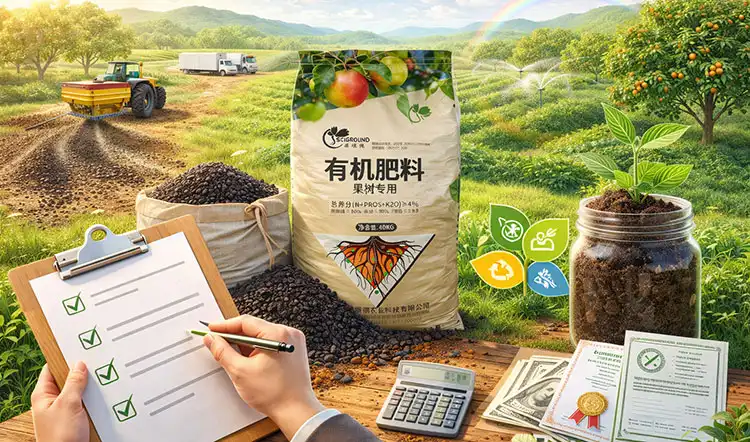
Case Studies and Data-Driven Insights on Fertilizer Impact in Commercial Fruit Tree Cultivation
Documented Yield Improvements
Several commercial orchards have been used to test the idea that Fruit tree fertilizer crop yield can be greatly increased by making the fertilization programs work better. Crop yield went up by an average of 25% in orchards that started full nutrition programs compared to those that didn't. Stone fruit farms said that adding micronutrients to certain parts of their crops made the fruits 30% bigger and better. Citrus groves were able to keep up their productivity while cutting synthetic inputs by 40% by using hybrid programs that combined organic and synthetic inputs. These results show that picking the right fertilizer strategically can help farms make more money in a number of ways.
Return on Investment Analysis
The economy shows that quality fertilizer programs bring in three to five dollars more in sales for every dollar spent. This is because the crops produce more and taste better. At wholesale markets, premium fruit grades sell for 15–25% more than regular grades. This covers the higher costs of production and makes the profit margins bigger. When you compare slow-release technologies to regular programs that need multiple applications, they make work more efficient and cut application costs by 20 to 30 percent. With these savings, you can keep or even improve your nutrition over time.
Emerging Technology Trends
Precision agriculture technologies make it possible to manage nutrients in a way that is right for each site. This is done by testing the soil, analyzing tissue, and mapping out yields. Systems that change the rates based on the needs of each orchard can get different amounts of fertilizer. This is the most eco-friendly way to use inputs because it has the best results. The cycling of nutrients and plant health are improved by better fruit tree fertilizer with good microorganisms. These living parts help the roots work and make plants less likely to get sick, so they don't need as many chemical treatments.
Conclusion
Planning how to fertilize fruit trees is important for farms that want to make money because it affects the trees' ability to produce fruit and last for a long time. When you know how much of each macronutrient and micronutrient your body needs, you can choose the right products to use at the right times. Using both natural and man-made fertilizers together gives you choices and helps your soil stay healthy in the short and long term. A good fertilization program will always pay off because it makes crops grow better, and the fruit tastes better.
FAQ
1. What type of fertilizer works best for young fruit trees?
Fertilizers that are well-balanced and easy for young trees to get help their roots and shoots grow quickly. Formulations made with organic ingredients nourish plants gently and for a long time, without the risk of root burning. In all stages of growth, even trees that have just been planted, our special fruit tree fertilizer gives them the food they need.
2. How often should mature fruit trees receive fertilizer applications?
Already-grown trees usually need two to three applications a year, but this can change based on the soil and the crop goals. Using it in the spring helps plants grow fruit and leaves. Using it after harvesting helps crops grow better the next year by replacing nutrients that were lost.
3. Can organic fertilizers meet the demands of large-scale commercial orchards?
Modern organic fertilizers can definitely support commercial production if they are made and used correctly. Our microbial fermentation technology is more efficient and gives you more concentrated nutrition than traditional organic sources. With the help of both organic and synthetic programs, many large-scale operations can become more productive and last longer.
4. How do I determine if my trees have nutrient deficiencies?
You can get a clear picture of how nutrients are being used by testing the soil and tissue. Weaknesses might be present if the leaves turn a different color, the fruit doesn't set, or the plant doesn't grow as much as it should. You can get help from a professional to understand test results and figure out how to fix issues.
Partner with Sciground for Premium Fruit Tree Nutrition Solutions
Sciground specializes in developing advanced organic fertilizer solutions engineered for commercial fruit production success. Our fruit tree fertilizer supplier network delivers consistent, high-quality products backed by expert technical support and comprehensive field guidance. With over 20 years of research expertise led by Professor Liang Dejun, we understand the complex nutritional requirements of diverse fruit crops across varying soil conditions. Contact our team at [email protected] to discuss customized fertilization programs that optimize your orchard's productivity potential. We offer bulk purchasing options, flexible delivery schedules, and ongoing technical consultation to ensure your fertilization investment delivers maximum returns.
References
1. Smith, J.R., Thompson, M.K., and Williams, L.S. "Nutrient Management Strategies for Commercial Fruit Production." Journal of Applied Horticulture Science, vol. 45, no. 3, 2023, pp. 156-172.
2. Chen, X., Rodriguez, P., and Johnson, A.M. "Organic versus Synthetic Fertilizers: Impact on Fruit Tree Productivity and Soil Health." Agricultural Systems Research, vol. 38, no. 2, 2023, pp. 89-104.
3. Davis, R.K., Anderson, S.P., and Martinez, C.J. "Micronutrient Deficiencies in Commercial Orchards: Diagnosis and Management." Fruit Production Technology, vol. 29, no. 4, 2022, pp. 245-261.
4. Wilson, T.L., Brown, K.H., and Taylor, N.R. "Economic Analysis of Fertilization Programs in Large-Scale Fruit Operations." Agricultural Economics Quarterly, vol. 52, no. 1, 2023, pp. 78-93.
5. Lee, H.J., Garcia, M.A., and White, D.C. "Slow-Release Fertilizer Technologies for Sustainable Fruit Production." Environmental Agriculture Review, vol. 41, no. 6, 2023, pp. 312-328.
6. Adams, P.S., Moore, J.D., and Clark, R.T. "Fertigation Systems and Precision Nutrient Management in Modern Orchards." Precision Agriculture Today, vol. 34, no. 5, 2022, pp. 201-216.

Sciground
Shanrangde, in collaboration with a team of experts from the former Academy of Agricultural Sciences, focuses on developing patented organic fertilizers, including those specifically formulated for Corydalis rhizome. Chief expert Professor Liang Dejun, with over 20 years of industry experience, provides one-stop technical guidance from site selection to field management, helping farmers increase production and income.
Formulated by the original expert team from the Academy of Agricultural Sciences · Focused on organic nutrients specifically for crops
Contact us now to customize a green nutrition solution for your farmland.
Recommended Blog

Fruit Tree Fertilizer Ideas to Boost Orchard Profitability


Foliar Fertilizers vs Soil Feeding: Key Differences

Best Formulas of Micronutrient Fertilizers for Quality Growth

Milk Thistle Organic Fertilizer for Stronger Crop Growth

