Fruit Tree Fertilizer Buying Guide for Growers
Understanding Fruit Tree Fertilizers – Key Concepts for Growers
- Understanding Fruit Tree Fertilizers – Key Concepts for Growers
- How to Choose the Best Fertilizer for Your Fruit Trees
- Application Best Practices for Optimum Fertilizer Performance
- Top Fruit Tree Fertilizer Brands and Procurement Options for B2B Buyers
- Conclusion
- FAQ
- Partner with Sciground for Premium Fruit Tree Nutrition Solutions
- References
It's very important to pick the right fruit tree fertilizer because it can affect how productive and long-lasting an orchard is. Commercial growers today are under more and more stress to get the best yields while also keeping costs low and following rules about the environment. This in-depth buying guide talks about what fruit-bearing trees, like those in apple orchards and citrus groves, need to stay healthy. It tells farmers, ranchers, and agricultural dealers useful things they can use to make their fertilization methods better. Some types of fertilizer are slightly different from each other. Growers can make smart decisions that affect their profits and the quality of their fruit if they know these differences, when to use them, and how to get them.
Understanding Fruit Tree Fertilizers – Key Concepts for Growers
Composition and Nutritional Requirements
When it comes to food, fruit trees need something very different from what annual crops or yard plants need. When perennial fruit trees are dormant, flowering, fruit setting, and harvesting, they need different amounts of food to keep their reproductive system healthy. Premium fruit tree fertilizer carefully balances NPK ratios and adds important micronutrients like calcium, magnesium, boron, zinc, and more to meet these changing needs. Microbial fermentation fertilizers of today are a big step forward in the field of orchard nutrition. These unique items have a lot of organic matter, which helps good microorganisms in the soil and releases nutrients slowly over time. The fermentation process makes it easier for the body to use nutrients and creates chemicals that naturally help roots grow well and fight off disease.
Organic versus Synthetic Fertilizer Options
Picking between synthetic and organic fertilizers can change how well crops grow in the short term and how healthy the soil is in the long term. Organic fertilizers made from animal waste, composted plant matter, and biological fermentation can help commercial orchards grow better. These items improve the structure of the soil, help it hold more water, and encourage good microbes that help nutrients move around the soil. With synthetic fertilizers, you can choose exactly how much to use, and the nutrients will be available right away. A lot of synthetic fertilizer use, on the other hand, can make the soil more acidic, lower its organic matter content, and make it need more outside help. Integrated nutrient management strategies use both natural and man-made sources of nutrients to save money and keep the soil healthy. This helps a lot of businesses do well.
Fertilizer Formats and Delivery Systems
Growers in businesses can use different kinds of fertilizer, such as fruit tree fertilizer, based on their needs and the tools they have. Granular fertilizers are easy to store and use mechanically, which makes them good for large-scale orchard work with spreaders on tractors. These products usually give nutrition slowly over a long period of time. This means they don't have to be used as often, which saves money on labor costs. Liquid fertilizer concentrates let you precisely deliver nutrients to plants through fertigation systems and by putting them on their leaves. With this format, it's easy to quickly make up for missing nutrients and give certain nutrients at key growth stages. It is easy to spread nutrients evenly across whole orchards when water-soluble fertilizers are used with irrigation systems that are already in place.
How to Choose the Best Fertilizer for Your Fruit Trees
Species-Specific Nutritional Requirements
The kind of fertilizer you use depends on the type of fruit tree you have because they all need different amounts of food. When the trees are actively growing, they need more nitrogen. When the fruits are developing, they need more potassium. Getting a lot of calcium in their food is important for apple and pear trees to stay healthy and avoid problems like bitter pit and cork spot. Peaches, plums, cherries, and other stone fruits do well when they get the right amount of phosphorus and nitrogen to grow strong roots. Plants can get leaves from too much nitrogen, but the fruit won't be as good, and the plants are more likely to get bacterial diseases. If growers know about these species-specific needs, they can pick fertilizer mixes that will help them get more fruit and better fruit.
Identifying Nutrient Deficiency Symptoms
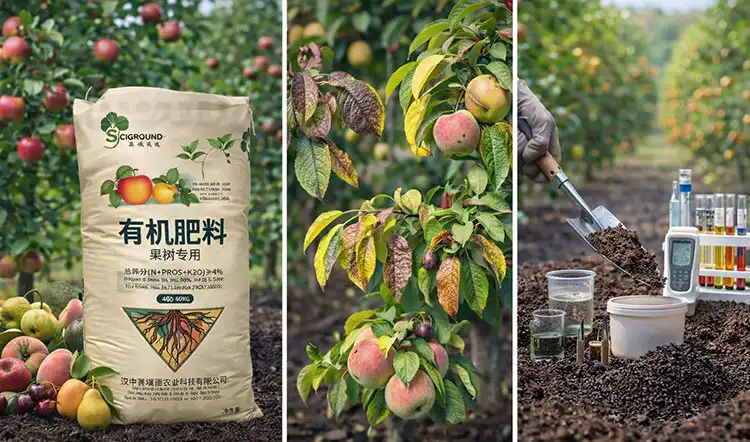
A great way to choose the right fertilizer and figure out when to use it is to look for areas where nutrients are lacking. Leaves get yellow, and shoots don't grow as fast if there isn't enough nitrogen. Flower buds and leaves turn purple and don't open until later if there isn't enough phosphorus. Burning at the edges of leaves and smaller fruits is a sign of not getting enough potassium. This is especially true when plants are stressed by drought. Lack of certain micronutrients can cause specific visual issues that need to be fixed. When plants don't get enough boron, fruits and flowers break down inside and bloom less. When plants don't get enough iron, leaf veins turn yellow, especially in soils that are too acidic. Testing tissue on a regular basis helps with visual diagnosis and gives numbers for making accurate changes to the fertilizer.
Soil Testing and Amendment Strategies
A thorough study of the soil is what makes fertilizer selection programs work. A professional soil test will tell you about your soil's pH level, organic matter content, and concentrations of nutrients that are present. What kind of fertilizer you use and how much you use depend on these things. Most fruit trees do best in slightly acidic to neutral soils that have a pH between 6.0 and 7.0. The amount of organic matter in the soil affects how well nutrients are retained and how easily they can be used. When soils don't have a lot of organic matter, adding organic fertilizer can help make them stronger and more biologically active. The soil stays together better with good microbial fermentation fertilizers, which makes it easier for good microorganisms to live there. This keeps trees healthy, fruit tree fertilizer, and makes them less likely to get diseases.
Application Best Practices for Optimum Fertilizer Performance
Seasonal Timing and Application Windows
During the growing season, good fruit tree fertilizer programs match the nutrients that are available with what the trees need. When applied early in the spring, it helps plants start new growth and flowers. When applied late in the spring, it keeps fruit development going during important stages of cell division. After the harvest, trees need food to make up for the nutrients they lost when they made fruit. Food also helps flower buds grow for the next season. You can keep new growth from coming up if you don't apply nitrogen late in the season. This leaves it open to freeze damage. On the other hand, organic fertilizers are used in the fall. They release nutrients slowly over time, so plants can use them when the roots begin to grow in the spring. It is best to use nutrients at the right time so that they are used most efficiently, and less is lost to the environment through leaching.
Application Methods and Equipment Considerations
Orchards that sell fruit still mostly use broadcast application to spread granular fertilizer. This technique provides uniform coverage across large areas using tractor-mounted spreaders. It's easier for nutrients to get to active root zones when you farm or water the soil with fertilizers. This also lowers the amount of nutrients that are lost through volatilization. Farmers have full control over when and how much nutrients are applied during the irrigation season with fertilization systems. You can use low-concentration applications more often with this method. This works with the way plants take in nutrients and keeps the salt levels in the root zones as low as possible. You can feed plants extra nutrients through the leaves when they need them or when the soil doesn't let the roots take them in.
Safety and Environmental Considerations
Good fertilizer management looks out for both the health and safety of workers and the environment. Keeping things in the right way keeps them from getting contaminated and keeps their quality for a long time. When handling and applying something, the risk of being exposed is lower when you wear gloves, a dust mask, and other personal protective equipment. Runoff of nutrients can make the water quality worse by causing algae blooms. To stop this, there are buffer zones near water sources. Cover crops and mulching help stop soil erosion and keep nutrients in the ground between tree rows. By doing these things, you can show that you care about the environment and get the most out of your fertilizer investments.
Top Fruit Tree Fertilizer Brands and Procurement Options for B2B Buyers
Leading Commercial Fertilizer Manufacturers
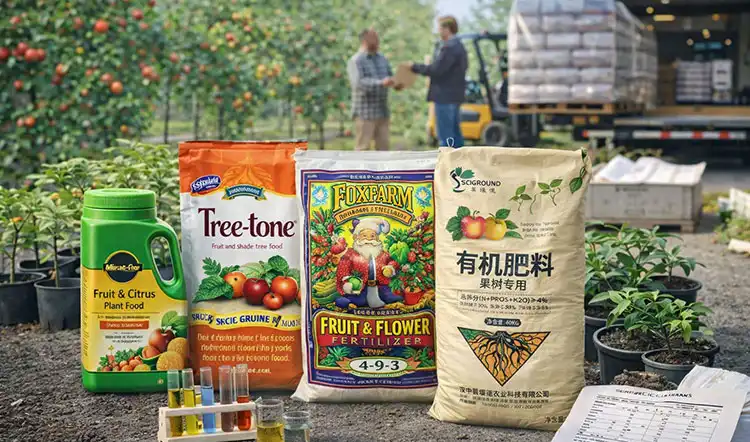
Apple trees have been fed well by Miracle-Gro, Espoma, and FoxFarm, among other well-known fertilizer brands. These companies help commercial growers plan their operations because they offer consistent product quality, technical support, and supply chains that growers can count on. Product certifications and quality assurance programs make sure that the ingredients in fertilizer match what it says on the label and follow the government's rules. New businesses that make biological and organic fertilizers, on the other hand, give businesses that care about the environment creative alternatives. Firms like Sciground use cutting-edge fermentation technology to create unique organic fertilizers that meet the needs of specific crops and help reach goals for soil health. Most of the time, these products are more valuable in the long run because they increase the biological activity of the soil and reduce the need for synthetic inputs.
Procurement Strategies and Supplier Relationships
Businesses that grow plants and are good at fruit tree fertilizer build relationships with fertilizer suppliers that go beyond just comparing prices. Suppliers that you can trust offer technical support, custom mixing, and delivery times that can be changed to fit your business's needs. As a standard part of volume purchasing agreements, prices are often locked in, and supplies are guaranteed during busy application times. Local agricultural dealers know the best ways to grow crops in the area's soil and have lower transportation costs. They can also get products quickly. If you have direct relationships with manufacturers, on the other hand, you might be able to get products and technical support that you can't get through normal retail channels.
Quality Assurance and Product Verification
It's important to pay close attention to the quality and make-up of commercial fertilizer when you buy it. Those who have a good reputation will give you certificates of analysis that show how much of the nutrients, moisture, and harmful contaminants are in the food. Certifications for organic fertilizer make sure that the products meet the needs of growing organic plants. Businesses pick the fertilizer they use based on how simple it is to move and store. Products that last longer and store well make it easier to keep track of inventory and cut down on the amount of trash that comes from old items. Different packaging options, like bulk delivery and custom blending services, can work with a range of operational sizes and types of equipment.
Conclusion
If you want to choose the right fruit tree fertilizer, you need to know a lot about the crop's nutritional needs, the condition of the soil, and the economic factors that affect orchard businesses. These days, microbial fermentation fertilizers are very helpful. They improve the health of the soil, make it less likely that diseases will spread, and release nutrients slowly over time, which helps trees grow at their best throughout all growing seasons. Growers who are good at what they do use a range of fertilizers and ways to apply them to get the best growth in the short and long term. They also make sure their companies are ready for changes in the market and in the rules set by the government.
FAQ
1. What NPK ratio works best for most fruit trees?
Balanced formulations like 10-10-10 or 8-8-8 provide excellent general-purpose nutrition for most fruit trees during active growing seasons. But different species and stages of growth have different needs. Citrus trees often do better with higher nitrogen ratios when they are growing leaves and stems. For stone fruits to grow, they need higher potassium ratios.
2. How often should I apply organic fertilizer to fruit trees?
Organic fertilizers need to be used two to three times a year on average because they release nutrients slowly. Applying in the spring helps the tree grow new leaves, feeding in the middle of the season keeps the fruit growing, and applying after the harvest fills up the tree's stores. Tests of the soil help figure out the best rates and times based on how the trees react and how many nutrients are already there.
3. Can organic fertilizers completely replace synthetic options in commercial orchards?
When used correctly, organic fertilizers can give plants all the nutrients they need to grow fruit for sale. But during times of change, extra food may be needed while the soil's biological activity grows. A lot of businesses that do well use a mix of methods, such as natural-based programs and certain synthetic applications during key growth stages.
4. What storage requirements apply to organic fruit tree fertilizers?
Organic fertilizers need to be kept in a dry, well-ventilated area so that living things can keep working. Making sure the temperature stays just right keeps things from getting too hot, which can hurt good microorganisms. If you store something properly, you can keep it fresh and useful for up to 24 months.
5. How do microbial fermentation fertilizers improve disease resistance?
There are good microorganisms in fermentation fertilizers that live in the root zones and compete with bad bacteria and fungi for food and space. These living things also make chemicals that make plant cells stronger so that diseases can't get inside. These chemicals boost plants' immune systems. When the soil is healthy, many common orchard diseases stay away on their own.
Partner with Sciground for Premium Fruit Tree Nutrition Solutions
Sciground specializes in developing advanced microbial fermentation fertilizers specifically engineered for fruit tree production systems. Our research team, led by experts from the Northwest Academy of Agricultural Sciences, combines over 20 years of organic fertilizer development experience with cutting-edge fermentation technology. As a trusted fruit tree fertilizer manufacturer, we provide comprehensive technical support from initial soil analysis through harvest optimization, ensuring our clients achieve maximum return on their fertilization investments. Contact our procurement specialists at [email protected] to discuss volume pricing and customized nutrition programs tailored to your specific orchard requirements and sustainability objectives.
References
1. Brady, Nyle C., and Ray R. Weil. "The Nature and Properties of Soils: Nutrient Management for Fruit Trees." 15th Edition. Pearson Education, 2017.
2. Fageria, Nand Kumar, et al. "Nutrient Cycling and Bioavailability in Perennial Crop Systems." Journal of Plant Nutrition and Soil Science, Vol. 45, 2019.
3. Johnson, Robert S., and James H. Connell. "Orchard Fertilization Practices and Soil Health Management." University of California Agriculture and Natural Resources Publication, 2020.
4. Martinez, Elena P., and David Chen. "Microbial Fertilizers in Commercial Fruit Production: A Comprehensive Review." Applied Soil Ecology, Vol. 162, 2021.
5. Smith, Michael J., et al. "Economic Analysis of Organic versus Conventional Fertilizer Programs in Commercial Orchards." Agricultural Economics Research Quarterly, Vol. 28, 2022.
6. Thompson, Sarah L., and Robert K. Williams. "Sustainable Fertilization Strategies for Modern Fruit Tree Production." Sustainable Agriculture Practices Journal, Vol. 34, 2023.

Sciground
Shanrangde, in collaboration with a team of experts from the former Academy of Agricultural Sciences, focuses on developing patented organic fertilizers, including those specifically formulated for Corydalis rhizome. Chief expert Professor Liang Dejun, with over 20 years of industry experience, provides one-stop technical guidance from site selection to field management, helping farmers increase production and income.
Formulated by the original expert team from the Academy of Agricultural Sciences · Focused on organic nutrients specifically for crops
Contact us now to customize a green nutrition solution for your farmland.
Recommended Blog

Organic Fertilizer for Fruit Trees: Grow Bigger Sweet Harvests

What Ingredients Should a Fruit Tree Organic Fertilizer Contain?

Expert Tips: When to Apply Organic Fertilizer for Fruit Trees


What Makes a Fruit Tree Organic Fertilizer Truly Effective?

