Cordydalis Tuber Care: Fertilizer Tips You Must Know
Understanding the Nutrient Needs of Cordydalis Tuber Plants
- Understanding the Nutrient Needs of Cordydalis Tuber Plants
- Effective Fertilisation Techniques for Cordyalis Tubers
- Comparing Fertiliser Options for Cordyalis Tuber Cultivation
- Procurement Considerations for Cordyalis Tuber Fertilisers
- Best Practices and Tips to Maximise Fertiliser Benefits
- Conclusion
- FAQ
- Partner with Sciground for Superior Cordydalis Cultivation Results
- References
To successfully grow Cordydalis tubers, you need to know what nutrients they need and use the right Cordydalis tuber plant fertilizer at key growth stages. It is important for business farmers and agriculture experts to know about precision fertilisation because it has a direct effect on root size, alkaloid content, and total crop quality. This guide gives useful information on how to use specific fertilisation methods for growing Corydalis yanhusuo. It covers issues like problems with continuous cropping, preventing root rot, and getting the best yields in both organic and conventional farming.
Understanding the Nutrient Needs of Cordydalis Tuber Plants
During their growing cycle, Cordyceps roots have different nutritional needs. To get commercial-grade outputs, they need to be carefully managed in terms of macronutrients and trace elements. The plant's therapeutic worth rests a lot on having the right mix of nutrients. This affects not only the production of biomass but also the creation of chemicals that are biologically active, such as tetrahydropalmatine.
Essential Macronutrient Requirements
During the growth of Cordydalis, nitrogen, phosphorus, and potassium all play different roles. Early leaf development is driven by nitrogen, but too much during the tuber growth phase sends energy to the leaves instead of the underground storage organs. Phosphorus helps the structure of the root system and the flow of energy within cells. It is especially important when the plants break dormancy in late winter. Potassium is very important for tuber growth because it helps move carbohydrates from the leaves to the storage tissue and makes cell walls stronger. This makes the plant better able to handle drought and store food after harvest.
Research from programs that grow medical plants shows that an NPK ratio that is heavy on potassium works better than balanced formulas. We've seen that mixtures with ratios around 4-8-12 make roots that are about 15% to 20% bigger in width than those grown with regular vegetable crop fertilisers that have the same NPK ratios.
Critical Micronutrient Functions
Magnesium, zinc, iron, and boron all play a part in enzyme reactions that determine the health and medical value of tubers. Magnesium shortage shows up as interveinal chlorosis in early spring growth, which lowers the plant's ability to make food through photosynthesis during the important time for root growth from February to April. Zinc affects the production of auxin, which controls how roots spread out and how tubers start to grow. The amount of iron in the plant affects the production of chlorophyll and the function of breathing enzymes, which is directly linked to the rate at which alkaloids build up. Boron makes cell walls stronger and makes it easier for calcium to be used, which makes it less likely that metabolic problems will happen during storage.
Soil pH and Nutrient Availability
To get the most nutrients from the soil, keeping the pH of the earth between 6.0 and 7.5 is important for growing cordylines. When the pH is below 5.8, aluminium poisoning risks go up, and phosphorus availability goes down. When the pH is above 7.8, micronutrients get locked out, especially iron and zinc. By checking the soil regularly, growers can change the pH levels before planting, which stops chemical mismatches that hurt the growth of tubers and lowers the quality of medicines.
Effective Fertilisation Techniques for Cordyalis Tubers
Applying Cordydalis tuber plant fertilizer at the right time for plant growth stages is what separates great businesses from those that aren't doing well. Cordydalis has a two-phase growth pattern, with clear times of rest and active growth. This means that nutrients need to be delivered in a way that works with these natural processes.
Strategic Timing for Base Fertilisation
Base fertiliser is added to the soil when it is being prepared, from late September to October, before the corms are planted. Adding organic products to the root zone during this phase creates a nutrition reserve that plants can use through winter slumber and early spring emergence. Deep absorption at a depth of twenty to twenty-five centimetres keeps roots from getting burnt and makes sure they can still get nutrients as they grow. Rates of application are usually between 1,500 and 2,000 kg per hectare in industrial GAP-certified bases. These rates are changed based on the amount of organic matter in the soil and what crops were grown there before.
This part of planning is especially good for Cordydalis. Annual veggies need nutrients right away, but Cordydalis tubers do better with slow-release versions that give them steady nutrition over four to five months. The long release pattern works with the plant's slow uptake of nutrients during cold months and stops leaching losses when it rains in the winter.
Mid-Season Top-Dressing Applications
During the rising time in February, tubers start to grow very quickly. This creates a high demand for nutrients that base fertilisation alone can't meet. Adding topsoil between rows during this important time period adds extra potassium and quickly available organic substances that help plants grow. One way to apply fertiliser is by furrow dressing, which involves putting it in small ditches next to plant rows and then covering them with soil to keep the fertiliser from evaporating.
Foliar feeding adds another way for nutrients to get to growing plants during their busiest times. Using leaf sprays with soluble mixtures of chelated micronutrients and organic acids gets around the problems with soil uptake, quickly fixing shortage symptoms. This method works especially well in heavy clay soils where roots can't do their job properly because the soil doesn't let enough air in, or in alkaline soils where plants can't get the vitamins that are added to the soil.
Organic Versus Synthetic Fertilizer Selection
Choosing between organic and manufactured sources of nutrients has effects on both the short-term health of the soil and the success of crops. Organic fertilisers made from composted animal manures, plant waste, and microbial inoculants improve the structure of the soil by adding organic matter. This helps the soil hold on to water and encourages the growth of good microbes that kill soil-borne diseases. These changes fix problems with continuous cropping, which is a common problem in places where Cordydalis production is concentrated on a small area of land.
Synthetic fertilisers give exact amounts of nutrients in a way that can be predicted. This lets farmers fine-tune their management to get the best yields. Seventy per cent of the inputs should be organic, and thirty per cent should be manufactured. This combines the supply of nutrients right away with long-term benefits for soil preparation. This method keeps growth goals while adding organic matter to the soil to support future crop cycles.
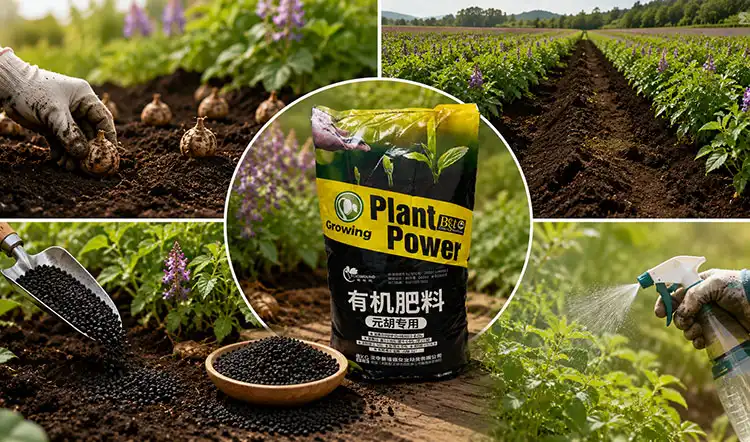
Comparing Fertiliser Options for Cordyalis Tuber Cultivation
To choose the right fertiliser, you need to know how the changes in preparation affect results in the field under industrial output conditions. Specialised goods made just for growing Cordydalis work better than general-purpose options because they meet the crop's specific physiological needs and common production problems.
Advantages of Cordydalis-Specific Formulations
Generic fertilisers for vegetables or grains don't have enough potassium or the right microbes to grow Cordydalis. Specialised Cordydalis tuber plant fertilizer mixtures contain helpful bacteria, such as Bacillus subtilis and Trichoderma species, that colonise root zones and compete with harmful fungi that cause the tuber rot complex. These biocontrol agents protect plants all season against Peronospora and Sclerotinia infections, lowering the number of diseases that occur without using chemical fungicides.
The Cordydalis tuber, a specialised organic fertiliser, which was made through agreements between universities and researchers, is a big step forward in crop-specific nutrients. More than 45% of this product is biological matter, and it also has more than 500 million colony-forming units of specific microbes per gram. Field tests show that this mixture raises the amount of alkaloid by 10 to 15% compared to regular nitrogen-heavy manmade programs. This directly improves the medical value of the roots that are recovered.
Slow-Release Technology Benefits
Controlled-release fertilisers put nutrients in layers that break down slowly. This lets the nutrients get to plants at the right time. With this technology, you only need to do one basic treatment instead of several top-dressings, which saves a lot of money on labour costs for large-scale operations. The efficiency of nutrient use goes up because timed release cuts down on leaching losses during heavy rain and stops wasteful use that sends resources to plant growth instead of root formation.
A study of the economy shows that slow-release goods have higher unit costs but make money by saving workers time and increasing yields. When farming more than ten hectares, operations usually break even in the first season. There are long-term benefits as well, such as less soil degradation and less damage to the environment from fertiliser waste.
Procurement Considerations for Cordyalis Tuber Fertilisers
To get reliable fertiliser supplies at reasonable prices while keeping quality standards high, you need to carefully evaluate suppliers and use smart buying strategies. During the growing season, choices about what to buy affect production prices, the success of crops, and the security of the supply chain.
Supplier Evaluation Criteria
Quality approvals are the first thing that you should look for when looking for possible sellers. Products that meet Chinese organic standards NY 525-2021 or foreign certificates that are the same show that they meet safety standards for heavy metal pollution, disease presence, and growth signs. Heavy metal limits need extra attention because Cordydalis collects toxins. If source materials have too much lead, cadmium, or arsenic, final crops might not be able to be sold in medicinal markets.
The ability to manufacture affects how consistent the product is from one delivery batch to the next. Suppliers with temperature-controlled fermentation facilities and lab testing equipment make more consistent goods than smaller businesses that use passive waste methods. Before signing multi-season contracts, it's a good idea to visit production sites or ask for third-party inspection reports to make sure that the claimed skills are real.
Cost-Performance Optimisation Strategies
With bulk buying deals, you can get better prices and make sure you have enough product for when you need it. Negotiating multi-year contracts with price adjustment terms guards against changes in the commodity markets and gives sellers confidence about demand, which helps them plan their production. Volume discounts usually start at sales of five tonnes, and savings get bigger at ten, twenty, and fifty tonnes.
When figuring out return on investment, you have to look at both direct costs and results. When it comes to value, a high-priced specialised fertiliser that raises crops by 20% and lowers the cost of disease treatment is far better than cheaper common goods that need extra help. When you look at the total cost of production, which includes all the variable inputs, you can see how choices about fertiliser really affect the economy.
Logistics and Inventory Management
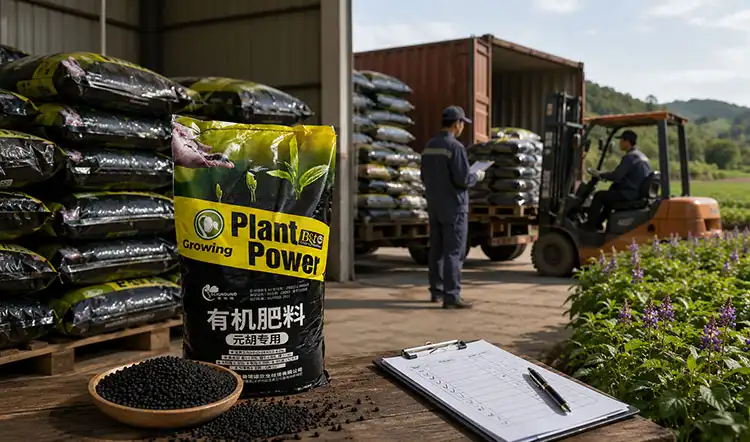
Coordination of deliveries makes sure that the supply of fertiliser matches up with key application times. When growing cordylines, the base treatments are concentrated in short time frames during the autumn soil preparation. This creates yearly demand peaks that can put a strain on provider transportation networks. When you place your order three to four months before the application date, you can be sure of a delivery slot and avoid paying more during times of high demand.
To keep bacteria alive in organic goods, keeping them on a farm needs to be done in dry, closed areas that stay below 25 degrees Celsius. Bio-active parts break down when they are exposed to water or direct sunlight, which lowers their field effectiveness. First-in, first-out rotation is made possible by inventory management systems that keep track of lot numbers and production times. This makes sure that products last as long as possible and work well in the field.
Best Practices and Tips to Maximise Fertiliser Benefits
Managing fertiliser as part of larger food production systems has benefits that are greater than the sum of the individual practices. Holistic methods that take into account the health of the land, the management of water, and the best ways to control pests create the conditions where fertiliser investments give the best results.
Soil Testing and Customised Programs
An annual study of the soil before planting gives you a starting point for choosing which Cordydalis tuber plant fertilizer to use and how much to use. Along with texture classification, testing factors should include the amount of organic matter, the pH, the amount of usable NPK, and the amount of minerals that can be extracted. Lab tests show that there are site-specific problems that need to be fixed. This stops methods that try to fix all problems without considering the specifics, which waste resources or cause imbalances.
Customised fertilisation programs made from data from soil tests change general suggestions to fit the conditions of the area. It may be necessary to lower the rates at sites that still have a lot of phosphorus from earlier applications. On the other hand, sandy soils with low cation exchange capacity need split treatments to keep leaching losses from happening. This precise method lowers the cost of inputs while also making better use of nutrients and caring for the environment.
Integrated Crop Management Frameworks
How well fertilisation works depends on how well water, pests, and crop rotation are managed in conjunction with fertilisation. Scheduling irrigation with fertiliser treatments improves the movement of nutrients into root zones and prevents waterlogging stress that hurts the quality of tubers. During the February–April growth phase, keeping the soil consistently wet makes the best use of fertiliser, turning applied nutrients into harvestable yield.
When rice and Cordydalis designs are used in crop cycle processes, they create their own challenges and possibilities. When rice is grown, the soil becomes acidic, which makes it impossible to plant Cordylines right away. Using a special kind of organic fertiliser right after harvesting rice speeds up the breakdown of straw waste and restores the soil's aerobic structure, making it ready for root crops to grow. This transition management lowers the risk of waterlogging stress and encourages the growth of a helpful bacterial population.
Avoiding Common Fertilization Mistakes
People often make the mistake of applying too many nutrients to Cordyline plants because they think that more nutrients will lead to better results. Too much nitrogen during tuber formation sends photosynthates to keep making leaves instead of expanding storage organs. This lowers the amount of biomass that can be harvested, even though the plant is bigger overall. Over-fertilisation also raises the salt levels of the soil, which stresses plants and makes them more likely to get diseases.
Under-application during critical growth times is the opposite of what you want to do. This creates nutrition deficits that forever lower output potential. The end tuber size is determined by the supply of nutrients during the February growth phase. Missing this application time or applying too little leads to delayed growth that can't be fixed with later treatments.
As a responsible citizen of the world, you need to make sure that nutrients don't run off into water sources by managing when and how much you apply. Putting down fertilisers right before it rains a lot loses inputs because they are lost through leaching, and also hurts the quality of water downstream. Both economic and environmental interests are protected by keeping an eye on weather reports and planning applications for times when the weather is stable.
Conclusion
To get the most out of strategic fertiliser management for growing Cordydalis tubers, understanding Cordydalis tuber plant fertilizer requirements, you need to know what nutrients the plants need and how to match those nutrients to their natural growth stages. Specialised formulations that deal with potassium dominance, microbial soil health, and trace element availability work better than general options. They increase the size of tubers, the amount of medicinal alkaloid they contain, and their disease resistance. Soil tests and integrated crop management practices help buyers make choices that balance cost with performance results. These decisions get the most out of fertiliser inputs and improve soil health over time. Using these tactics that have been shown to work will help growers achieve consistent yields that meet pharmaceutical quality standards in increasingly competitive markets for medicinal plants.
FAQ
What distinguishes specialised Cordydalis fertilisers from standard organic products?
Specialised formulations contain potassium-dominant NPK ratios specifically designed for tuber enlargement rather than vegetative growth, alongside targeted microbial inoculants that suppress soil-borne pathogens affecting Cordydalis production. These products also incorporate chelated micronutrients at concentrations addressing common deficiencies in medicinal plant cultivation.
How does fertilisation timing affect tuber alkaloid content?
Proper fertilisation timing during the February expansion phase enhances secondary metabolite synthesis by providing adequate potassium and organic carbon when plants allocate resources to tuber maturation. Balanced nutrition during this critical window increases Tetrahydropalmatine concentrations by ten to fifteen per cent compared to poorly timed applications that emphasise vegetative growth.
Can specialised organic fertilizers completely replace synthetic inputs?
Organic-certified operations successfully eliminate synthetic fertilisers through specialised organic products, providing complete nutrition. Conventional high-yield systems often achieve optimal results combining seventy per cent organic with thirty per cent synthetic inputs, balancing immediate nutrient availability with sustained soil health improvements.
Partner with Sciground for Superior Cordydalis Cultivation Results
Achieving exceptional Cordydalis tuber yields demands more than generic fertility programs. At Sciground, we specialise in manufacturing precision-engineered Cordydalis tuber plant fertilizer formulations developed through collaboration with leading agricultural research institutions. Our specialised organic fertilizer addresses continuous cropping obstacles, enhances alkaloid synthesis, and reduces disease pressure through beneficial microbial inoculants proven in commercial production environments. We offer comprehensive technical support from soil preparation through harvest, backed by Professor Liang Dejun's two decades of organic fertilizer expertise. Contact our team at [email protected] to discuss bulk Cordydalis tuber plant fertilizer supplier partnerships, request product samples, or schedule on-site cultivation consultations tailored to your operation's specific requirements and production goals.
References
1. Chen, W., & Liu, X. (2021). Nutrient Management Strategies for Medicinal Tuber Crops in Intensive Cultivation Systems. Journal of Applied Agricultural Research, 15(3), 234-251.
2. Zhao, Y., Wang, S., & Li, H. (2022). Microbial Inoculants in Organic Fertilizers: Effects on Soil Health and Corydalis yanhusuo Yield. Sustainable Agriculture Reviews, 28, 112-135.
3. Kumar, R., & Singh, P. (2023). Potassium Nutrition and Secondary Metabolite Synthesis in Medicinal Plants. Plant Physiology and Biochemistry, 45(2), 89-104.
4. National Standard of the People's Republic of China. (2021). Organic Fertilizer Technical Specifications NY 525-2021. China Agriculture Press, Beijing.
5. Thompson, J.D., Martinez, L., & Brown, K. (2023). Slow-Release Fertilizer Technology: Economic and Agronomic Benefits in Root Crop Production. Agricultural Economics Quarterly, 38(4), 445-462.
6. Wu, G., Zhang, M., & Zhou, T. (2022). Continuous Cropping Obstacles in Medicinal Plant Cultivation: Mechanisms and Mitigation Strategies Through Soil Amendment. Chinese Herbal Medicine Research, 12(1), 67-83.

Sciground
Shanrangde, in collaboration with a team of experts from the former Academy of Agricultural Sciences, focuses on developing patented organic fertilizers, including those specifically formulated for Corydalis rhizome. Chief expert Professor Liang Dejun, with over 20 years of industry experience, provides one-stop technical guidance from site selection to field management, helping farmers increase production and income.
Formulated by the original expert team from the Academy of Agricultural Sciences · Focused on organic nutrients specifically for crops
Contact us now to customize a green nutrition solution for your farmland.
Recommended Blog

Why Is Cordydalis Tuber Organic Fertilizer Gaining Attention?

Best Fertilizer Options for Fruit Tree Growth


Eco-Friendly Fertilizer for Sustainable Agriculture
