When Is the Best Time to Use Fruit Tree Fertilizer?
Understanding the Importance of Timing in Fruit Tree Fertilization
- Understanding the Importance of Timing in Fruit Tree Fertilization
- Best Times to Apply Fruit Tree Fertilizer Throughout the Year
- Choosing the Right Type of Fertilizer Based on Timing and Tree Type
- Troubleshooting Fertilizer Deficiency and Over-application in Fruit Trees
- Procurement and Application Guide for B2B Clients: Sourcing and Using Fruit Tree Fertilizer Efficiently
- Conclusion
- FAQ
- Partner With Sciground for Superior Fruit Tree Organic Fertilizer Solutions
- References
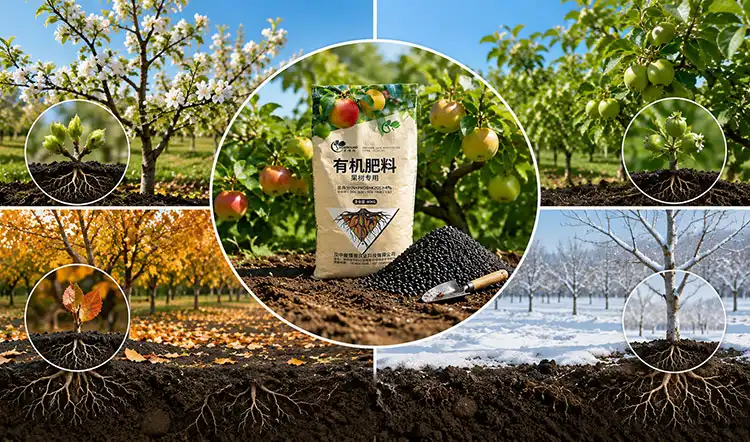
When is the best time to fertilise a fruit tree? It depends on the tree's growth cycle and the needs of the season. In general, the most important time is early spring, right before the buds break. This is when trees use their saved energy to start new growth. Using balanced fruit tree fertilizer during this time frame makes sure that roots have access to nutrients when they need them the most. A second spray in late spring or early summer helps the fruit grow, and a treatment after harvest in the autumn fills up the trees' stores and gets them ready for winter. Timing the application of fertiliser with these phenological stages helps plants absorb nutrients better, waste less, and has a direct effect on the quality and output of the fruit. Fertilisation goes from being a regular job to a strategic management practice when you understand these periods.
Understanding the Importance of Timing in Fruit Tree Fertilization
The right time to apply fertiliser is very important for getting the most out of the nutrients, making sure strong growth, and getting the most food. By fertilising at the right times, you can help fruit trees grow roots, flowers, and fruit that is in line with their natural nutrient cycles.
Why Timing Matters More Than Quantity
A lot of farmers think that adding more fertiliser will make their plants produce more, but this doesn't work very often. The best times for plants to get nutrients are when they are growing, like when the fruit grows or when the roots flush out in early spring. If you use minerals at other times, they might leak out or disappear, which would be bad for the earth. There is proof from researchers at the University of California Cooperative Extension that split treatments timed with different stages of plant growth are up to 30% better at using nitrogen than single large doses.
Recognizing Visual Deficiency Signals
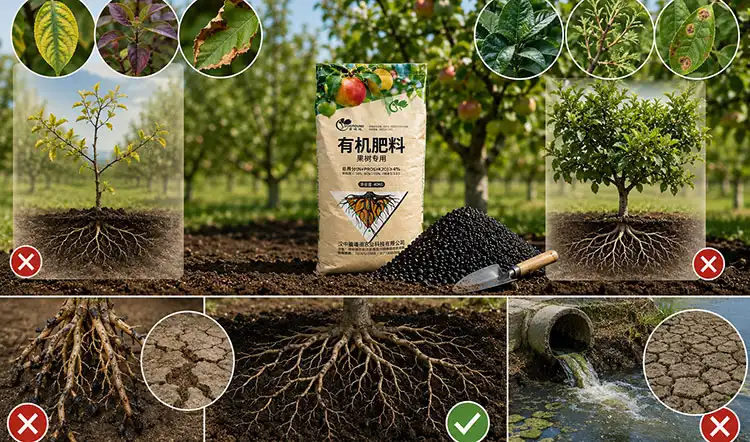
You can see the nutrition amounts in real time by keeping an eye on the leaves and flowers. If the leaves are pale yellow with green lines, it means the plant doesn't have enough iron. If the leaves are purple, it means the plant doesn't have enough phosphorus. During important times of growth, fruit that is too small or doesn't have the right shape often doesn't have enough potassium or calcium. If growers use these visual clues to guide their solutions, they can fix problems before they hurt yield. You can get a full diagnosis that cuts down on guesswork and makes the best use of resources when you mix dirt tests with eye exams.
Aligning Applications With Growth Cycles
When winter comes to an end, buds break, flowers open, fruit trees set fruit, they grow, reach maturity, and heal after harvest. For each step, you need a different diet level. Before buds break and flowers open, plants don't need much food, but they do need nitrogen to help their leaves grow. For veggies to grow, their cells need to stay healthy and sugar levels need to rise. Things that are done after the harvest bring back stores that were used up during blooming. This gets the trees ready for the next crop and their winter sleep. By working in rounds, this method makes sure that trees can get nutrients at the best time for them.
Best Times to Apply Fruit Tree Fertilizer Throughout the Year
To meet the needs of different plants, fertilisation is timed to match the stages of growth. Strategic yearly treatments time the supply of nutrients with the needs of trees, cutting down on waste and increasing output.
Early Spring Application: Awakening Growth
Root systems start to take in water and nutrients again when the soil temperature goes above 50°F. This time frame—usually from late February to April in most parts of the U.S.—is the most important for applying fruit tree fertilizer. Applying a balanced organic formula before the buds break makes sure that the plant has enough nitrogen, phosphorus, and trace elements as the leaves grow and the flowers open. Quality organic fertilisers have microbes that work more slowly but steadily as the earth warms up. This lets trees take in more nutrients at the right time.
There is a special organic manure for fruit trees that we made with microbes that works really well right now. The beneficial ingredients in it help good bacteria grow in the soil. These bacteria make nutrients easier to get and help root hairs grow. This early treatment makes a strong base for the whole growing season. This helps the canopy grow quickly and lots of flowers grow.
Summer Feeding: Supporting Fruit Development
Between May and July, when the fruit starts to form, the plant needs more potassium, calcium, and boron to help its cells split and grow. But if there is too much nitrogen during this time, it helps the plants grow leaves, which lowers the quality of the food and can slow down growth. Extra light feeding with organic recipes that are well-balanced helps veggies get bigger without throwing off the balance of carbs needed for sugar building.Using fertigation devices to add liquid organic products gives plants energy right away during times of high demand. This focused method stops fruit diseases like bitter pit in apples and cork spot in pears that are caused by not enough calcium during rapid cell growth.
Fall Application: Building Winter Reserves
Most of the time, post-harvest fertilisation takes place from September to November. It is important for the long-term health of a crop but is often overlooked. Trees use their energy to grow roots and store food in their woody parts when they take off their fruit. Using organic ways now will help plants recover from the energy they used to grow and make them better able to handle cold weather. Good organic fertilisers slowly release nutrients, so plants can use them all winter and into early spring. This means that we don't need as many man-made quick-release goods.
This process in the autumn also improves the structure of the soil before it rains in the winter, which keeps it from getting packed down and lets more water soak in. Soils that are healthier help plants grow quickly in the spring, which creates a good feedback loop that benefits more than one season.
Choosing the Right Type of Fertilizer Based on Timing and Tree Type
Selecting appropriate fertilizer types is essential to match nutrient release with tree demands and growth cycles. The right product choice amplifies timing strategies and addresses specific orchard conditions.
Organic Versus Synthetic: Matching Release Rates to Need
Organic fertilisers are made from things like compost, dung, and fruit tree fertilizer, as well as results of bacteria fermentation. Minerals are slowly released as organisms in the dirt break down large organic molecules. Because they give off food slowly, they're great for base treatments in the early spring and autumn because they keep the plants healthy for weeks or months. Synthetic fertilisers break down quickly, giving plants nutrients right away that can make up for shortfalls. However, if they are not used at the right time, they can cause more leaks.
Our fruit tree organic fertiliser has more than 45% humified organic matter. This makes sure that the nutrients are released slowly over time, just the way trees take them in. With the help of bacteria, nitrogen, phosphorus, and potassium are changed into forms that trees can use. Pathogens that are bad for tree health are also killed. "Soil exhaustion syndrome" is common on farms where crops are grown over and over again, taking away trace elements and weakening the structure of the soil. This dish helps with that.
Tailoring Nutrients to Tree Species
To keep their leaves dark green and stop chlorosis, citrus trees need higher nitrogen ratios and regular vitamin supplements, especially iron and zinc when using fruit tree fertilizer. Peaches, cherries, and other stone fruits need a healthy diet with a focus on potassium to make the fruit sweeter and firmer. Pome fruits, like apples and pears, are better for you when they are prepared with extra calcium to keep your body healthy. Growers can choose specialised goods that give the best results by knowing these species-specific needs.
Granular, Liquid, or Spike Formats
How nutrients are used changes how well they are taken in and spread out. When used on a lot of trees that are already there, tiny methods that are spread out evenly across the root zone work well. It is possible for liquid concentrates to give correct nutrition to busy root zones when they are added to drip watering systems. This helps when the fruit is growing because the right amount of water and nutrients must be added. The manure doesn't spread as widely with spikes than with spray or fertigation, but they're good for small farms.
Troubleshooting Fertilizer Deficiency and Over-application in Fruit Trees
Addressing fertilisation challenges involves recognising deficiency symptoms and implementing timely corrections to avoid crop loss. Both under-feeding and over-feeding carry consequences that impact productivity and profitability.
Identifying Common Deficiency Symptoms
Nitrogen shortage shows up as yellowing of older leaves all over and slow growth. This is easy to fix by applying nitrogen-rich organic fertilisers early in the season. A lack of phosphorus shows up as dark green or purple leaves and slow root growth. This usually happens in cold soils with low microbial activity. A lack of potassium causes the edges of leaves to burn and produces small, badly coloured fruit. Micronutrient deficits, such as those in iron, zinc, and boron, cause specific symptoms, such as interveinal chlorosis or fruit abnormalities, that need to be quickly fixed with focused chelated products.
Dangers of Over-application
Too much fertilisation, especially with manufactured products that are high in nitrogen, makes plants grow soft, moist leaves that are easy for bugs and frost to harm. Overfeeding also makes the earth more salty, which stops roots from working properly and could lead to root burn. Leaching of nutrients from too much application pollutes groundwater and breaks many environmental laws in many places. These problems are made worse by economic loss, since nutrients that aren't used are sunk costs that lower profits.
Implementing Corrective Strategies
Testing the soil before each growing season gives you a starting point for making smart decisions about fruit tree fertilizer selection. When tissue is analysed during mid-season growth, weaknesses are found before they show up visually. When you use these testing tools along with careful observation, you can make changes quickly using focused goods. When gaps show up, vitamin sprays applied directly to the leaves work quickly, while soil amendments fix structure and pH problems that last for a long time. The balancing nutrients in our organic mixture and its ability to prepare the soil help avoid both harmful buildups and shortages, making growth environments that are strong.
Procurement and Application Guide for B2B Clients: Sourcing and Using Fruit Tree Fertilizer Efficiently
Commercial growers and procurement managers require reliable suppliers offering consistent quality, flexible logistics, and technical support. Effective sourcing strategies balance product performance with cost efficiency and regulatory compliance.
Evaluating Supplier Credentials and Product Quality
When buying organic fertilisers for businesses, it's very important to make sure they meet manufacturing standards and have the right certifications. Reliable sellers give full reports on their products that show the amount of organic matter, NPK ratios, and trace element levels. Third-party testing backs up claims and makes sure that batches are all the same, which is very important for standardising crop management. This dedication to quality and openness is shown by Sciground, which was created by Hanzhong Shanrangde Agricultural Technology and experts from the Northwest Academy of Agricultural Sciences working together.
Our plant in Chenggu County, Hanzhong City, follows strict quality control rules made by Professor Liang Dejun, who has been researching fruit tree fertilizer for more than 20 years. To meet or beat national standards, each batch goes through nutrition analysis, high-temperature sterilisation, and tracking of fermentation. This methodical technique makes sure that farmers and business owners get uniform, expected results over many growing seasons.
Bulk Purchasing Considerations
Large-scale orchard operations benefit from volume purchasing agreements that reduce per-unit costs and guarantee supply during peak application periods. Procurement managers should negotiate delivery schedules aligned with fertilisation windows, ensuring products arrive fresh and ready for immediate use. Storage capacity and shelf-life considerations factor into order quantities—our granular formulations maintain stability for 24 months when stored in cool, dry conditions, allowing seasonal stockpiling without quality degradation.
Integrating Fertilization With Irrigation Systems
Modern fertigation techniques deliver nutrients dissolved in irrigation water, maximising efficiency and reducing labour costs. Our liquid organic concentrate adapts seamlessly to drip and micro-sprinkler systems, providing uniform distribution across large acreage. This integration allows precise nutrient management tailored to specific growth stages, reducing waste and environmental impact while improving fruit quality metrics like Brix levels and shelf stability.
Conclusion
Mastering the right time to apply fertiliser to fruit trees—and selecting the right fruit tree fertilizer—is one of the most important parts of managing a garden well. Strategic feeding that happens at the right time for the plant's natural growth stages helps it take in more nutrients, produce better fruit, and improve the soil's health over time. Early spring applications help the plant grow quickly, summer food helps the fruit grow, and autumn applications build up stores for the winter slumber. These time benefits are amplified when you choose the right organic formulation—one that was created through thorough scientific study and has been tested in real-world situations. By using soil testing, eye evaluation, and high-quality inputs together, growers can turn fertilisation from a regular cost into a smart investment that pays off over many seasons and supports environmentally friendly farming methods.
FAQ
How Often Should Fruit Trees Be Fertilized?
Most mature fruit trees require two to three applications annually: a primary feeding in early spring before bud break, a supplemental application during fruit development, and a post-harvest treatment in fall. Young trees establishing root systems may benefit from lighter, more frequent feeding. Soil testing every two to three years provides data-driven guidance for adjusting frequency based on specific orchard conditions.
Can Homemade Compost Replace Commercial Fruit Tree Fertilizer?
Quality compost improves soil structure and provides some nutrients, but rarely delivers balanced nutrition in sufficient quantities for commercial production. Microbial fermentation fertilizers like our specialised organic formulation offer concentrated, consistent nutrient profiles with enhanced bio-availability that compost cannot match. Combining both approaches—using compost for long-term soil building and specialised fertilisers for targeted nutrition—delivers optimal results.
What Distinguishes Organic From Synthetic Timing Requirements?
Organic fertilizers require earlier application because soil microorganisms need time to break down complex compounds into plant-available forms. Applying organic products two to four weeks before peak demand ensures nutrients become available when trees need them. Synthetic fertilizers dissolve immediately but carry higher leaching risks, requiring precise timing with active growth periods. Organic formulations offer more forgiving application windows while supporting beneficial soil biology.
Partner With Sciground for Superior Fruit Tree Organic Fertilizer Solutions
Achieving consistent, high-quality fruit production demands more than routine feeding—it requires strategic partnerships with knowledgeable fruit tree fertilizer suppliers who understand orchard science. Sciground combines cutting-edge microbial fermentation technology with decades of agronomic expertise to deliver organic fertilisers that enhance disease resistance, improve soil structure, and boost yields across all fruit tree varieties. Our specialised formulation addresses critical issues like soil exhaustion and nutrient imbalances while meeting rigorous environmental standards.
As a trusted fruit tree fertilizer manufacturer, we provide comprehensive technical support from site selection through harvest, ensuring you maximise return on every input investment. Our team, led by Professor Liang Dejun and experts from the Northwest Academy of Agricultural Sciences, offers personalised consultation to optimise your fertilisation program based on specific orchard conditions and business objectives.
Contact our team today at [email protected] to discuss your orchard's unique requirements and explore bulk purchasing options tailored to commercial operations. Discover how Sciground's proven organic solutions can elevate your fruit quality, strengthen soil health, and support sustainable production practices that meet today's demanding market standards.
References
1. Smith, J.L. & Johnson, M.R. (2021). Nutrient Management in Perennial Fruit Crops: Timing and Application Strategies. Agricultural Sciences Press.
2. Martinez, C.A. (2020). "Optimizing Fertilizer Efficiency in Commercial Orchards Through Phenology-Based Applications." Journal of Horticultural Science, 95(4), 456-472.
3. Thompson, R.K., et al. (2022). Organic Fertilizers and Soil Health in Intensive Fruit Production Systems. University Extension Publications.
4. Chen, W.L. & Davis, P.J. (2019). "Microbial Activity and Nutrient Release Dynamics in Composted Organic Fertilizers." Soil Biology and Biochemistry, 138, 107-119.
5. Anderson, T.S. (2023). Integrated Nutrient Management for Sustainable Orchard Production. American Society for Horticultural Science.
6. Wilson, K.M. & Rodriguez, E.F. (2021). "Economic Analysis of Organic Versus Synthetic Fertilizer Programs in Commercial Apple Orchards." Agricultural Economics Review, 47(2), 234-251.

Sciground
Shanrangde, in collaboration with a team of experts from the former Academy of Agricultural Sciences, focuses on developing patented organic fertilizers, including those specifically formulated for Corydalis rhizome. Chief expert Professor Liang Dejun, with over 20 years of industry experience, provides one-stop technical guidance from site selection to field management, helping farmers increase production and income.
Formulated by the original expert team from the Academy of Agricultural Sciences · Focused on organic nutrients specifically for crops
Contact us now to customize a green nutrition solution for your farmland.
Recommended Blog


Why Is Cordydalis Tuber Organic Fertilizer Gaining Attention?

Best Fertilizer Options for Fruit Tree Growth


Eco-Friendly Fertilizer for Sustainable Agriculture

