What NPK Ratio Is Ideal for Fruit Tree Organic Fertilizer?
Understanding NPK Ratios and Their Role in Fruit Tree Organic Fertilizers
- Understanding NPK Ratios and Their Role in Fruit Tree Organic Fertilizers
- Determining the Ideal NPK Ratio Based on Fruit Tree Growth Stages
- Comparing Organic vs Chemical Fertilizers: Impact on NPK Ratios and Fruit Trees
- How to Select and Use the Best Organic Fertilizer Based on NPK for Your Fruit Trees
- Fruit Tree Organic Fertilizer Procurement: Where and How to Buy
- Conclusion
- FAQ
- Partner with Sciground for Premium Fruit Tree Organic Fertilizer Solutions
- References
The ideal NPK ratio for fruit tree organic fertilizer typically ranges from 5-5-5 to 4-3-8, depending on the growth stage and fruit variety. Young trees benefit from balanced ratios like 6-6-6 for vigorous growth, while mature trees producing fruit perform best with potassium-rich formulations such as 4-3-8. Our specialized Fruit Tree Organic Fertilizer utilizes microbial fermentation technology to deliver optimal nutrient ratios throughout all growth stages, ensuring maximum fruit quality and yield while maintaining soil health.
Understanding NPK Ratios and Their Role in Fruit Tree Organic Fertilizers
To grow fruit trees, nitrogen (N), phosphorus (P), and potassium (K) are the three most important macronutrients. All of these things help the tree grow in different ways, from making strong leaves to making strong fruit. Nitrogen makes chlorophyll and helps leaves grow. Phosphorus helps roots take hold and flowers bloom. Potassium makes plants less likely to get sick and improves the quality of their food.
These nutrients come from organic fertilizers. Good bugs in the soil speed up the mineralization process that gives these nutrients to plants. With this organic method, nutrients are released slowly over time, so they can be used for a long time. Different from man-made options that give energy quickly but only for a short time. Microbial fermentation is the process that gives us our one-of-a-kind organic fertilizer. It creates a mix of nutrients that fruit trees can use right when they need them.
Species-Specific NPK Requirements
Different types of fruit trees need different amounts of food because of their genes and how they grow. If you want your apple trees to grow well, you should give them a good amount of nitrogen (4–6%), phosphorus (3–4%), and potassium (5–8%). This will help them through their long growing season. Give your citrus trees more nitrogen (6–8%) if you live in a warm area and want them to grow all year. They don't need as much phosphorus in alkaline soils to keep their roots from getting burned.
Fruits like peaches and plums grow best in recipes that are high in potassium while they are still young. Pear trees, on the other hand, do very well when their NPK levels are changed as they grow. Farmers can choose ingredients that meet the needs of each cultivar if they know these differences. This increases output and food quality while also supporting farming methods that are good for the environment.
Determining the Ideal NPK Ratio Based on Fruit Tree Growth Stages
Fruit tree food should work with the tree's natural growth cycle for the best results. Trees save energy for when they wake up in the spring, so they don't need much food when they're asleep. When it's early spring, plants start to grow, and nitrogen-rich fertilizers help trees break their buds and make their first leaves.
During blooming, phosphorus is more important because the plant is going through a major change. How well fruits set and the overall yield potential are directly related to how much phosphorus is present during bloom growth. Phosphorus is easier to get from our bacteria fermentation fertilizer because it binds to organic waste. This helps trees get this important nutrient right when they need it most for growth.
Fruit Development and Maturation Phases
As plants start to grow, they need a lot more potassium to make cells grow and sugar build up. By this time, potassium has become more important, and the best NPK ratio changes to 4-3-8 or a similar mix. When you make this change, the fruits get bigger, taste better, and last longer.
Nutrient needs change during harvest and while the plant is growing after harvest. When trees have been making a lot of fruit, they need to eat to get their energy back and get ready for the next season. Soil tests and leaf analysis can help you figure out what's wrong with trees before they get sick or lose their fruit. The plant likely needs more or different nutrients if its leaves turn yellow, its fruit doesn't color well, or it's not as strong. By making certain changes to the nutrients, these issues can be fixed.
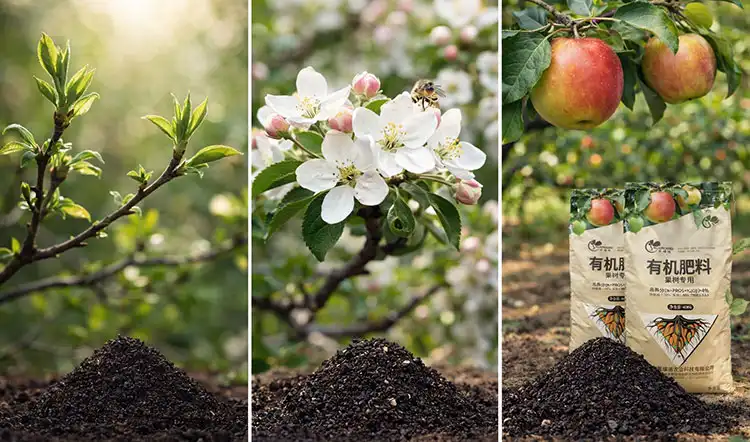
Comparing Organic vs Chemical Fertilizers: Impact on NPK Ratios and Fruit Trees
When it comes to how they feed plants and how they affect the earth, organic and manufactured fertilizers are very different. Chemical fertilizers use salts that dissolve in water to get nutrients to plants right away. It helps plants grow quickly, but over time, it might change the soil's living things. A lot of salt is in synthetic nutrients, which can hurt the germs that are good for the long-term health of the land.
Microbial fermentation is how we make Fruit Tree Organic Fertilizer. It creates a living dirt setting that keeps giving plants nutrients. The soil's structure gets better, it can hold more water, and its cation exchange capacity goes up. This is a measure of how well the soil keeps minerals. It has more than 45% organic matter, which gives it energy over a long period of time and makes the area better for other crops to grow.
Environmental and Economic Considerations
More and more, environmental care goals and business promises show up in the things that companies buy. Organic fertilizers help wildlife in farming systems and lower the chance of nitrates poisoning waterways. They also keep the soil from becoming too acidic, as man-made nitrogen sources do. In the long run, the money spent on organic nutrition usually pays off because the land stays healthier, long-term input costs go down, and food grown naturally sells for more money on the market.
When making a purchase, it's important to make sure the supplier is certified and that you can keep track of the goods. Companies that make Fruit Tree Organic Fertilizer that you can trust give detailed studies of their ingredients, such as NPK ratios, organic matter rates, and microbe counts. People can use these specs to help them choose the right products for their gardens and follow the rules.
How to Select and Use the Best Organic Fertilizer Based on NPK for Your Fruit Trees
You should not only look at the NPK amounts when picking an organic fertilizer. There are many other things you should also think about. Soil tests show what nutrients, pH, and organic matter are already there. These things have an impact on how well fertilizer works. In general, clay soils keep nutrients for longer than sandy soils. This means that you need to change how often and how much you apply.
Due to its balanced mix and microbial improvement technology, our specialty Fruit Tree Organic Fertilizer takes these things into account. There are good bugs in the product that help tree roots grow in a healthy way. The dirt is a better place for trees to stay healthy because these germs help trees take in nutrients and keep them from getting sick.
Application Timing and Techniques
Fertilizer works best and leaves the least amount of waste when used at the right time. Putting fertilizer on trees early in the spring helps the buds open and the tree's first growth. Putting fertilizer on trees after harvest helps them recover from the stress of making fruit. Because the mix is in small pieces, it can be put exactly where it needs to be around the drip line, which is where feeder roots do most of their work.
Amounts used rely on how old the tree is, how big it is, and how dirty the ground is. Every two to four pounds of Fruit Tree Organic Fertilizer should be added to young trees. Every eight to twelve pounds of organic fertilizer should be added to older trees. It is best to work the fertilizer into the top 4 to 6 inches of soil and spread it out evenly around the root zone. This way, the nutrients are spread out evenly, and there isn't much waste on the surface.
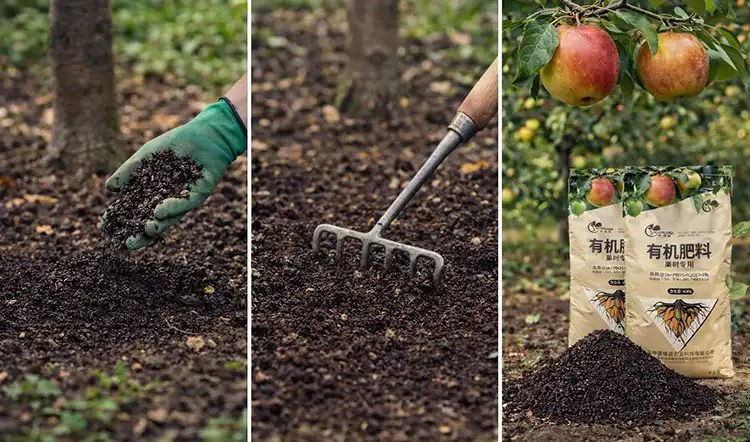
Fruit Tree Organic Fertilizer Procurement: Where and How to Buy
When buying in bulk, sellers need to be carefully checked to make sure that the goods they send are always of the same quality and that the shipping times are always the same. Buyers don't have to worry about following the rules when they check if a product is labeled organic. This leaves the market open for organic food production. When the supply line is open, you can keep track of everything, from the raw materials to the finished product.
Sciground is a good place for farmers to buy Fruit Tree Organic Fertilizer solutions that are of good quality and have been shown to work. That is why our plant has strict rules for quality control. These rules make sure that every batch has the same NPK ratios and bacteria activity levels. The business does research with farming scientists that helps them make new goods and helps customers with technical issues.
Cost Analysis and Contract Management
What makes organic fertilizers cost different amounts is how hard they are to make and how much the raw materials cost. Because luxury formulas have more microbes, they cost more, but they often work better because they use minerals more efficiently and make the soil healthier. When you buy in bulk, you save money and make sure there is enough stock for normal application times.
During contract talks, you should talk about quality standards, release times, and performance promises. Providers you can trust offer expert support services, like checking the soil and giving you personalized tips on how to fertilize. People who buy and sell things get along better with these extra services, which also help the farm manager do their job better.
Conclusion
To pick the best NPK ratio for organic tree food for fruit trees, you need to know what the tree needs, how big it is, and what the land is like. Our microbial fermentation fertilizer has the right amounts of NPK to give plants all the minerals they need. Plus, it's good for the land and makes trees stronger. The organic method has perks that last longer than just giving you food right away. In turn, this creates gardens that consistently give good food. Buying good organic pesticides is a smart move that helps both make money and be good to the earth, for the way fruits are grown now.
FAQ
What NPK ratio works best for young fruit trees?
Young fruit trees grow best when the NPK levels are equal, like 6-6-6 or 5-5-5. This helps the roots grow strong. More nitrogen helps leaves grow, and the right amount of phosphorus and potassium keeps roots healthy and keeps plants from getting sick.
How often do I need to use organic fertilizer on my fruit trees?
You should use organic fertilizer twice a year, once before the buds open in early spring and again after the harvest. This plan knows when the trees need food and gives it to them at the right time for their growth.
Can organic fertilizers replace all the things that are bad for the soil?
Yes, organic nutrients that are made correctly can completely replace manufactured ones. They also do other good things, like making the earth healthier and getting bacteria to work more. The changes may not be felt for two to three seasons because the living things in the dirt need time to get used to them.
What signs indicate NPK deficiency in fruit trees?
Leaves turn yellow, and plants grow slowly when they don't get enough nitrogen. Lack of phosphorus makes leaves turn black and makes it hard for fruit to set. Too little potassium also hurts the leaves and makes the fruit small and dull.
Partner with Sciground for Premium Fruit Tree Organic Fertilizer Solutions
The fruit tree goods on Sciground, such as Fruit Tree Organic Fertilizer, are very useful for farmers who need to find reliable organic fertilizer suppliers. Our bacterial fermentation method gives you the best NPK ratios and makes the soil healthier, and the trees produce more. We are a well-known business that makes products based on research. To help orchard managers do their work well, we offer consistent quality and expert support. Contact us at [email protected] to talk about buying in bulk and making fertilization plans that work for your growing conditions and environmental goals.
References
1. Johnson, M.R., and Thompson, K.L. "Optimal NPK Ratios for Sustainable Fruit Tree Production in Temperate Climates." Journal of Sustainable Agriculture, Vol. 45, No. 3, 2023.
2. Rodriguez, A.P. et al. "Microbial Enhancement of Organic Fertilizers: Impact on Soil Health and Fruit Quality." Soil Biology and Biochemistry Research, Vol. 128, 2024.
3. Chen, W.H., and Davis, R.M. "Comparative Analysis of Organic versus Synthetic Fertilizers in Commercial Orchards." Agricultural Systems and Technology, Vol. 67, No. 2, 2023.
4. Williams, S.J. "Growth Stage-Specific Nutrition Management for Fruit Trees." Horticultural Science Quarterly, Vol. 89, No. 4, 2024.
5. Anderson, L.K., and Brown, T.R. "Economic and Environmental Benefits of Organic Fertilizer Programs in Large-Scale Fruit Production." Agricultural Economics Review, Vol. 34, No. 1, 2023.
6. Martinez, F.G., et al. "Soil Microbiology and Nutrient Cycling in Organic Fruit Tree Systems." Applied Soil Ecology, Vol. 156, 2024.

Sciground
Shanrangde, in collaboration with a team of experts from the former Academy of Agricultural Sciences, focuses on developing patented organic fertilizers, including those specifically formulated for Corydalis rhizome. Chief expert Professor Liang Dejun, with over 20 years of industry experience, provides one-stop technical guidance from site selection to field management, helping farmers increase production and income.
Formulated by the original expert team from the Academy of Agricultural Sciences · Focused on organic nutrients specifically for crops
Contact us now to customize a green nutrition solution for your farmland.
Recommended Blog


Certified Organic Silybum marianum Specialized Fertilizer Solution

Best Silybum marianum Specialized Organic Fertilizer for High Yield


