Natural Fertilizer Guide: Tips for Stronger Plants
Understanding Natural Fertilizer and Its Benefits
- Understanding Natural Fertilizer and Its Benefits
- Types of Natural Fertilizer and Their Applications
- Natural Fertilizer vs Chemical and Synthetic Fertilizers
- How to Apply Natural Fertilizer for Optimal Results
- Procurement Guide for Natural Fertilizer in B2B Markets
- Conclusion
- FAQ
- Partner with Sciground for Premium Natural Fertilizer Solutions
- References
Natural fertilizer represents a cornerstone of sustainable agriculture, transforming how farmers and ranchers approach crop nutrition. These organic-based amendments contain living microorganisms, essential minerals, and humic compounds that work synergistically to strengthen plant health while rebuilding soil ecosystems. Unlike synthetic alternatives that provide temporary nutrient bursts, organic fertilizers create lasting improvements in soil structure and water retention, in addition to biological activity. This comprehensive guide explores proven strategies for maximizing plant vigor through natural fertilization methods, empowering agricultural professionals to achieve superior yields while maintaining environmental stewardship.
Understanding Natural Fertilizer and Its Benefits
Natural fertilisers are made from broken down plant and animal matter, such as animal dung, compost, bone meal, and seaweed products. By slowly releasing nutrients over time and letting more bacteria grow, they improve the health of the soil. Plant-based humic chemicals, soluble natural humic acid, and highly active trace minerals are all found in these nutrients. They help plants grow in the best way possible.
The Science Behind Organic Nutrition
Because nutrients get to plants in a lot of different ways, organic fertilisers work. Microbes slowly break these things down over time when they are mixed with dirt. This lets nutrients out at a rate that plants can use. This synchronisation between living things keeps nutrients from being washed away and makes sure they are always available when plants need them. Agricultural studies have shown that adding organic matter to soil makes it better at exchanging cations. Things like nitrogen, phosphorus, and potassium are better able to stay in the soil because of this. When there are helpful bacteria around, they form symbiotic relationships with plant roots that help the roots take in food and fight off diseases.
Environmental and Economic Advantages
For procurement professionals managing large-scale operations, natural fertilizer offers compelling advantages beyond plant nutrition. These products restore and maintain soil fertility sustainably while reducing environmental impact compared to chemical alternatives. The long-term economic benefits include reduced dependency on synthetic inputs, lower soil remediation costs, and improved crop quality that commands premium market prices. Agricultural operations utilizing organic fertilization report significant improvements in soil structure, reduced erosion, and enhanced water infiltration rates. These benefits translate into measurable cost savings through reduced irrigation requirements and improved drought resistance across naturally fertilizedcultivated acreage.
Types of Natural Fertilizer and Their Applications
A farmer or rancher can pick the best organic fertilisers for their crops and the state of their land if they know about the different kinds. Not only does each type work better in certain growing situations, but it also has its own set of nutrients.
Composted Organic Materials
Composted dung is the most common type of organic fertiliser. It gives plants the right nutrients for a long time. Cow, chicken, and pig dung all have different amounts of good things for you in them. For instance, chicken manure generally has more nitrogen, which is good for plants that grow leaves. Things that have been broken down well are sterilised at high temperatures, which kills pathogens but leaves good bacteria living. Stable organic molecules are made during fermentation. These molecules help the soil hold more water and stick together better.
Specialized Organic Amendments
Beyond traditional compost, specialty organic fertilizers target specific nutritional needs:
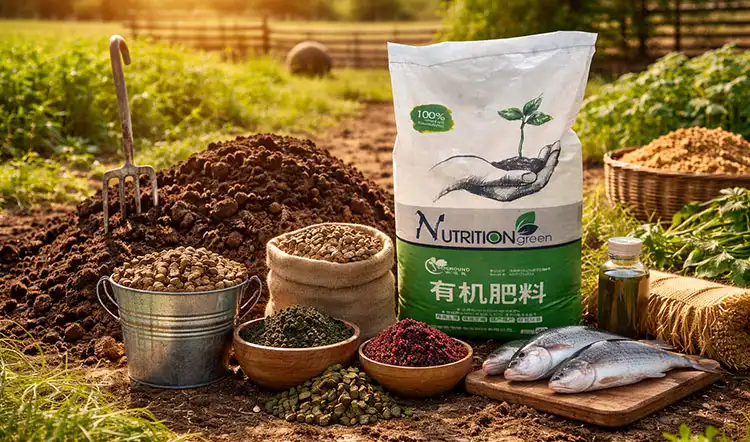
- Bone meal provides phosphorus and calcium, supporting root development and flowering in fruit trees and vegetable crops.
- Kelp meal delivers trace minerals and growth hormones that enhance plant stress tolerance.
- Blood meal supplies readily available nitrogen for rapid vegetative growth.
- Fish emulsion offers balanced nutrition with quick uptake characteristics.
These concentrated amendments allow precise nutrient management while maintaining organic certification standards required for premium market segments.
DIY Fertilizer Production Strategies
Agricultural operations can achieve cost-effectiveness through on-site compost production using available organic materials. Combining livestock manure with crop residues, wood chips, and cover crop biomass creates a balanced fertilizer suited to local soil conditions. Proper composting requires maintaining carbon-to-nitrogen ratios between 25:1 and 30:1, adequate moisture levels, and regular turning to ensure aerobic decomposition. Temperature monitoring ensures pathogen destruction while preserving beneficial microbial populations essential for soil health.
Natural Fertilizer vs Chemical and Synthetic Fertilizers
The distinction between organic and synthetic fertilizers extends beyond nutrient content to encompass soil health, environmental impact, and long-term agricultural sustainability. Understanding these differences enables informed procurement decisions that balance immediate productivity with long-term soil stewardship.
Soil Health and Microbial Diversity
Natural fertilizer promotes soil health and microbial diversity more effectively than chemical alternatives through sustained organic matter input and biological activity enhancement. Chemical fertilizers provide rapid nutrient release but often compromise soil biology through salt accumulation and pH disruption. Research indicates that organic fertilization increases soil microbial biomass by 40-60% compared to synthetic alternatives. This biological activity improves the soil's natural fertilizer structure, enhances nutrient cycling, and creates natural disease suppression mechanisms that reduce pesticide requirements.
Cost Analysis and Total Ownership
While organic fertilizers may require a higher initial investment per unit, total cost analysis reveals significant long-term advantages. Bulk purchase pricing, delivery logistics, and environmental compliance costs must be evaluated alongside productivity benefits and soil improvement value. Operations utilizing organic fertilization report reduced input costs over 3-5 year periods through improved soil fertility, reduced irrigation requirements, and enhanced crop quality. Additionally, organic certification premiums often offset higher fertilizer costs through increased market value.
Regulatory Compliance and Certification
Understanding distinctions between 'organic' and 'natural' fertilizers proves crucial for B2B buyers navigating regulatory frameworks. Certified organic fertilizers meet stringent standards for input materials, processing methods, and contamination limits, while natural products may contain synthetic additives not permitted in organic systems. Procurement professionals must verify certification credentials, quality testing protocols, and supplier compliance records to ensure products meet operational requirements and regulatory standards.
How to Apply Natural Fertilizer for Optimal Results
Proper application techniques maximize the effectiveness of organic fertilizers while preventing waste and environmental impact. Understanding timing, dosage, and incorporation methods enables agricultural professionals to optimize plant response and soil improvement.
Timing and Seasonal Considerations
Organic fertilizer application timing aligns with soil temperature patterns and crop development stages. Spring applications take advantage of increasing microbial activity as soil temperatures warm, while fall applications provide winter decomposition time before spring planting. Pre-plant incorporation allows organic materials to begin decomposition before crop establishment, ensuring nutrient availability during critical growth periods. Side-dress applications during vegetative growth provide supplemental nutrition without disturbing root systems.
Application Methods and Equipment
Modern agricultural operations employ various application techniques suited to crop types and field conditions:
- Broadcast spreading distributes granular fertilizers uniformly across large acreage using tractor-mounted spreaders.
- Incorporation tillage mixes organic materials into the soil for enhanced microbial contact.
- Liquid injection delivers concentrated organic solutions directly to root zones through irrigation systems.
The choice of equipment is based on the regularity of the fertiliser, the size of the field, and the spacing needs of the crops. When you calibrate, you make sure that the application rates are correct and that you don't apply too much, which can cause nutrient shortages.
Monitoring and Adjustment Strategies
One important way to get feedback that helps make organic fertiliser programs work better is to test the soil. If you check the pH, organic matter, and nutrition levels on a regular basis, you can use that information to decide how much to use and when to use it. Soil tests and plant tissue tests are used together to find out how nutrients are taken in and find shortages before they show any symptoms. With this strategic tracking method, you can get the most out of your fertiliser and keep your plants healthy all season long.

Procurement Guide for Natural Fertilizer in B2B Markets
There are a few things you should look at when looking for natural fertilizer reliable organic fertiliser suppliers. These include the suppliers' certifications and how well they can handle transportation. When you buy things from this guide, you can build good relationships with sellers who help you meet quality and practical standards.
Supplier Evaluation Criteria
That is why quality approvals are the best way to find out if a supplier you can trust and if the product is always the same. Good companies keep their organic licenses up to date, test their goods for quality regularly, and provide detailed records for each batch of their nutrient analyses. There is a difference between professional suppliers and commodity vendors. Professional suppliers offer better customer service, such as technical help and application advice, and they answer messages quickly. Established providers offer more than just providing the product. They also offer agronomic advice, custom blending services, and help in the field.
Bulk Purchasing Strategies
Large farms benefit from buying in bulk because it lowers the cost per unit and ensures they always have enough supplies when the plants are growing. In addition to quality guarantees, things like bulk discounts, shipping times, and storage needs should be talked about during the negotiation process. With a long-term contract, prices stay the same, and suppliers can better plan their transportation and production dates. The amount of fertiliser needed can change, though, because crop cycles, weather, and market needs can all change.
Supply Chain Integration
Today's shipping networks make it simple to add buying organic fertiliser to the chain of events that are already in place. All of these things can be done faster with online tools that make it easy to place orders, track goods, and schedule deliveries. Regional distribution hubs lower the cost of shipping and keep goods fresh and up to code. Getting to know local providers helps the agricultural economies in the area and gives you more ways to meet urgent needs.
Conclusion
When it comes to long-term crop yield, organic fertilisation is a smart investment that pays off in a number of ways. Farms can make more money in the long run by adding natural fertiliser programs that make the land healthier and crops less likely to get hurt. It also meets the needs of more and more customers who want farming ways that are better for the environment. It is easier for farmers to do their jobs when they use organic fertiliser because the land is more fertile and they don't have to put in as much. They can also get people who are willing to pay more. To do well, you need to know what the product does, how to use it, and how to get along with suppliers in a way that helps you meet your short- and long-term goals for soil care and efficiency.
FAQ
1. How often should natural fertilizers be applied to commercial crops?
Application frequency depends on crop type, soil conditions, and fertilizer characteristics. Most organic fertilizers benefit from seasonal applications, with heavy feeders like corn requiring spring pre-plant in addition to mid-season side-dress applications. Perennial crops perform well with annual fall applications that provide slow-release nutrition throughout growing seasons.
2. Can organic fertilizers completely replace chemical fertilizers in commercial farming operations?
Many commercial operations successfully transition to 100% organic fertilization through integrated nutrient management strategies. The transition requires 3-5 years for soil biology restoration and may involve temporary yield adjustments. However, improved soil health, reduced input costs, and premium market access often provide superior long-term profitability compared to conventional systems.
3. What certifications should buyers verify when purchasing organic fertilizers?
Essential certifications include OMRI (Organic Materials Review Institute) listing for organic operations, state fertilizer registration numbers, and quality assurance documentation. Reputable suppliers provide batch-specific nutrient analysis, heavy metal testing results, in addition to pathogen screening reports that ensure product safety and regulatory compliance.
Partner with Sciground for Premium Natural Fertilizer Solutions
Sciground combines cutting-edge agricultural research with proven organic fertilization expertise to deliver superior plant nutrition solutions for commercial farming operations. Our specialized organic fertilizers, developed in collaboration with Northwest Academy of Agricultural Sciences experts, contain rich organic matter, soluble humic acids, in addition to beneficial microorganisms that effectively improve soil compaction while mitigating the negative effects of chemical over-application. As a leading natural fertilizer manufacturer, we provide comprehensive technical guidance from soil preparation through harvest management, ensuring optimal crop performance and sustainable soil health. Contact our agronomic specialists at [email protected] to discuss customized fertilization programs that enhance your operational efficiency and profitability.
References
1. Gaskell, M., and Smith, R. "Nitrogen Sources for Organic Vegetable Crops." University of California Agriculture and Natural Resources Publication 7248, 2007.
2. Magdoff, F., and van Es, H. "Building Soils for Better Crops: Sustainable Soil Management." Sustainable Agriculture Research and Education Program, 3rd Edition, 2009.
3. Sullivan, P. "Organic Production: Overview of Organic Production Systems." National Center for Appropriate Technology, ATTRA Sustainable Agriculture Program, 2003.
4. Watson, C.A., et al. "A Review of Farm-Scale Nutrient Budgets for Organic Farms as a Tool for Management of Soil Fertility." Soil Use and Management, Volume 18, Issue 3, 2002.
5. Drinkwater, L.E., and Snapp, S.S. "Nutrients in Agroecosystems: Rethinking the Management Paradigm." Advances in Agronomy, Volume 92, Academic Press, 2007.
6. Liebig, M.A., and Doran, J.W. "Impact of Organic Production Practices on Soil Quality Indicators." Journal of Environmental Quality, Volume 28, Issue 5, 1999.

Sciground
Shanrangde, in collaboration with a team of experts from the former Academy of Agricultural Sciences, focuses on developing patented organic fertilizers, including those specifically formulated for Corydalis rhizome. Chief expert Professor Liang Dejun, with over 20 years of industry experience, provides one-stop technical guidance from site selection to field management, helping farmers increase production and income.
Formulated by the original expert team from the Academy of Agricultural Sciences · Focused on organic nutrients specifically for crops
Contact us now to customize a green nutrition solution for your farmland.
Recommended Blog

How Do Organic Fertilizers Benefit Soil Health and Plant Growth?

How Does Balanced Liquid Fertilizer Help Plants Resist Disease?

Why Should You Use Balanced Liquid Fertilizer for Your Plants?

How to Increase Gastrodia Root Quality with Specialized Fertilizer?
_1767870624598.webp)

