How to Maximize Results with Cordydalis tuber Specialized Organic Fertilizer
How to Maximize Results with Cordydalis tuber Specialized Organic Fertilizer
Introduction
- Introduction
- Understanding Cordydalis Tuber Fertilizer and Its Benefits
- Step-by-Step Guide to Effective Application of Cordydalis Tuber Fertilizer
- Comparing Cordydalis Tuber Fertilizer with Alternative Solutions
- Purchasing and Procurement Guide for Cordydalis Tuber Fertilizer
- Maximizing ROI and Achieving Sustainable Growth with Cordydalis Tuber Fertilizer
- Conclusion
- FAQ
- Partner with Sciground for Premium Organic Fertilizer Solutions
- References
The best way to get the most out of Cordydalis Tuber Specialized Organic Fertilizer is to understand how it was carefully made to work best with medicinal tuber crops. This bio-nutrient solution meets the specific physiological needs of Corydalis yanhusuo by using the right amounts of nutrients, beneficial bacteria, and soil-conditioning qualities. By using the right timing, correct dosage, and incorporating it into full crop management systems, growers can achieve amazing improvements in tuber yield, medicinal alkaloid content, and soil health, all while dealing with persistent farming problems like disease pressure and continuous cropping.
Introduction
In the competitive world of growing medical plants, using general fertilization methods alone isn't enough to get the best output and quality. A novel product called "Cordydalis Tuber Specialized Organic Fertilizer" was created to meet the specific nutritional needs of Corydalis yanhusuo and other tuberous medicinal plants. The right use of this specialized organic input is a key part of sustainable agriculture because it improves the health of the soil environment and lowers the need for manmade chemical inputs that can lower the quality of medicines.
For farmers, ranchers, and agricultural traders who work with pharmaceutical crop production, knowing the specific benefits and best ways to use this type of fertilizer will help them be more productive, save money, and protect the environment. The recipe solves some of the biggest problems in the business, such as constant cropping, tuber rot, and the need for high pharmacological strength, all of which have a direct effect on market value. Organic materials used in traditional Chinese medicine are becoming more and more popular in the US and around the world. To stay ahead in the top cultivation markets, you need to learn how to use modern organic fertilizers properly.
Understanding Cordydalis Tuber Fertilizer and Its Benefits
The Cordydalis tuber Specialized Organic Fertilizer is a big step forward from regular agricultural amendments. This carefully made product has a mix of important nutrients and beneficial organic ingredients that work together to help the body's natural processes of medicinal tuber growth.
Nutrient Profile and Composition
The fertilizer has a carefully balanced nutrient makeup and more than 45% organic matter, which comes from high-quality protein sources being broken down by enzymes and plant waste being turned into humus. The NPK ratio is usually around 4-8-12, which is a potassium-dominant recipe that promotes tuber growth over excessive plant growth. This strategic nutrient balance helps the underground storage organ grow, which affects the final crop weight and the quantity of medicinal compounds. In addition to macronutrients, the recipe includes chelated trace elements like magnesium, boron, and zinc that stop chlorosis and metabolic problems that are common in systems that grow many plants at once.
Biological Activity and Soil Health
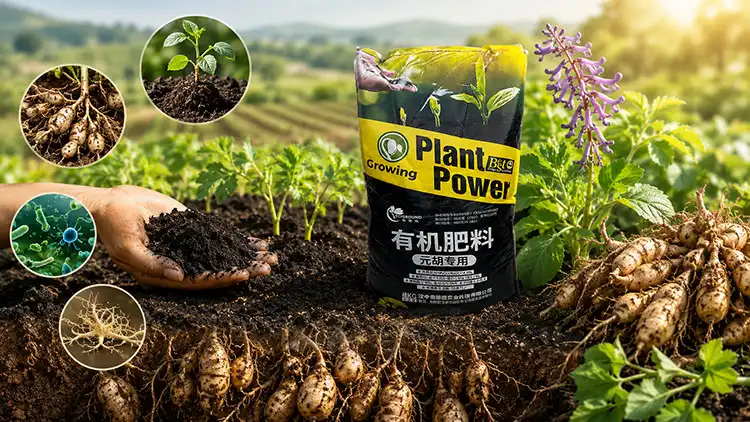
Adding specific microbes to this specialized organic fertilizer is what makes it different from regular manure-based products. There are more than 0.5 billion live cells per gram of the mixture, mostly of the beneficial Bacillus subtilis and Trichoderma species. These microorganisms live in the rhizosphere and create a protective zone that keeps pathogenic fungi that cause deadly root rot complexes out. The biological part also helps break down autotoxic allelochemicals that build up from earlier crop cycles. This product directly addresses problems with continuous growing that lower yields by 30–50% in rotation systems. Its grainy structure makes the soil more porous and airy, which stops the low oxygen levels that cause root rot in thick clay soils that are common in many growing areas.
Medicinal Quality Enhancement
This special mixture does more than just increase output; it also directly affects the production of therapeutically active alkaloids, especially tetrahydropalmatine, which decides how well the tubers work as medicine and how much they are worth on the market. Field tests show that adding the right amount of potassium and organic carbon greatly improves the pathways that make secondary metabolites. Such practices can lead to an increase in alkaloid content of 10–15% compared to manmade fertilizer programs that are heavy on nitrogen. This improvement in quality lets growers get higher prices in pharmaceutical supply chains where pharmacopoeia standards strictly control the amount of alkaloid that is allowed. The amount of heavy metals in the soil stays well below the limits set by Green Food Production. This makes sure that the collected tubers meet the strict safety standards for materials used in exporting traditional Chinese medicine.
Step-by-Step Guide to Effective Application of Cordydalis Tuber Fertilizer
To get the best results, you need to follow application methods that have been proven to work by science and are in line with the stage of crop growth and the soil conditions in your area. This Corydalis tuber Specialized Organic Fertilizer can become a strategic tool for medical crop production if it is used correctly.
Pre-Planting Soil Preparation
For a treatment to work, the earth must first be carefully checked out and prepared between late September and October. Before adding amendments, test the soil to find out its average mineral levels, pH, and organic matter content. The special fertilizer works best in pH levels between 6.0 and 7.5. If the soil is acidic, add lime; if alkaline, add sulfur. Depending on how fertile the soil is and what crops have been grown there before, use between 1,500 and 2,000 kilograms of base fertilizer per hectare. Deep digging to a depth of 20 to 25 centimeters makes sure that the source of nutrients gets to the root zone, which is where tubers are formed. This bottom-up treatment releases nutrients slowly over the course of the winter and helps plants grow quickly in the spring, without the risk of root burn that comes with using strong synthetic fertilizers.
Growth Stage Application Timing
When Corydalis plants go from dormancy to active growth, the waking period in February is a critical time to move. During this phase of rhizome growth, a planned top-dressing treatment provides the potassium rush and fulvic acid compounds that help growing tubers store as much dry matter as possible. Extra fertilizer should be added by furrow cleaning between rows at a rate of 500 to 800 kilograms per hectare, being careful not to touch new shoots. This specific use happens at the peak of nutrient demand, which is when potatoes' cells grow quickly, determining their end size classification and harvest weight. If you time this application right, it can improve the marketable yield by 20 to 30 percent compared to methods that only use one basal application.
Specialized Application for Rotation Systems
In southern farming areas where rice and corn are grown alternately, the soil structure often becomes compacted and lacks oxygen after the field floods. Specialized organic fertilizer helps crops switch over and restores the soil's physical traits at the same time in these complicated systems. Use it right away after harvesting rice to speed up the breakdown of leftover rice straw and restore the humid, loose earth structure that is needed for healthy tuber formation. The large amount of organic matter works as a strong soil conditioner, making the aggregates more stable and allowing more water to drain. This repair treatment greatly lowers the waterlogging stress that would otherwise cause rot and yield losses during the next Corydalis growing cycle.
Monitoring and Adjustment Strategies
Monitoring plant health markers and soil conditions on a regular basis lets managers make changes that make fertilizer work better. Watch for early spring leaf browning, which usually indicates disease activity or micronutrient lockout rather than a lack of nitrogen. The imported Bacillus subtilis populations push root pathogens out of the plant, and chelated iron and magnesium quickly fix chlorosis signs. Regularly checking the soil's wetness level keeps it from getting too wet, which reduces the supply of fertilizer nutrients and stops good microbes from working. Change the amounts of extra nutrients that are applied based on how strong the plants are, giving them less help when conditions are optimal for growth and more help when they are under a lot of stress.
Comparing Cordydalis Tuber Fertilizer with Alternative Solutions
Procurement managers can make smart choices about where to put their money when they know how this Cordydalis tuber Specialized Organic Fertilizer compares to other options.
Performance Metrics Against Chemical Fertilizers
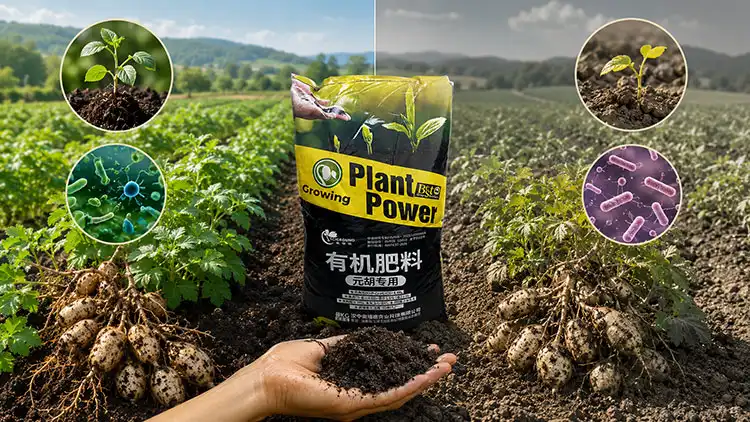
Standard manmade NPK fertilizers make nutrients available quickly, but they have several problems when growing medical tubers. Chemical sources usually put more emphasis on nitrogen than potassium, which encourages too much vegetative growth at the cost of alkaloid production and tuber development. The special organic option releases nutrients more slowly and over a longer period of time, which is more in line with how plants take them up. This method lowers the amount of nutrients that are lost through leaching and the amount of salt that builds up in the soil over time, which weakens it over time. Comparing fields regularly shows that the specialized organic method leads to 15–25% higher usable yields, as well as better tuber quality measures like alkaloid concentration, size uniformity, and storage characteristics.
Economic Considerations for Bulk Procurement
Corydalis tuber Specialized Organic Fertilizer costs more per unit than general synthetic alternatives. However, when you consider yield, quality premiums, and soil health upkeep, the total economic return strongly favors the organic method. The product's ability to stop diseases lowers the cost of fungicides by about 40% compared to regular programs. Also, better tuber quality receives 20–30% higher prices in pharmaceutical supply chains that need organic certification. Investing in biological activity in the soil pays off over and over again during multiple farming cycles. This makes it easier to grow crops without running into problems that require expensive field rotation or soil fumigation in manmade systems.
Environmental Impact and Sustainability
The special organic fertilizer fits in with rules that are putting more and more stress on environmentally friendly farming methods and healthy farming practices. Instead of manufactured options that pollute groundwater with nitrates and release greenhouse gases, the organic mixture stores carbon and increases the amount of organic matter in the soil. The microbe inoculants improve the natural cycle of nutrients, which means that less outside help is needed as the soil's biological activity rises. As pressure mounts on pharmaceutical businesses to show that all of their supply lines use environmentally friendly methods, these benefits become more important in their purchasing decisions.
Purchasing and Procurement Guide for Cordydalis Tuber Fertilizer
If you know how to use the buying channels well, you can get real, high-quality Cordydalis tuber Specialized Organic Fertilizer that does what it's supposed to do for your crops.
Supplier Vetting and Quality Assurance
To find trusted suppliers, you need to look at more than just price. There are a number of important quality factors that you need to look at. Make sure that any possible sellers you talk to give you full product details, such as the amount of organic matter, NPK ratios, viable microbial numbers, and heavy metal test results. Reputable companies like Sciground follow strict quality control rules that are in line with the safety standards for medical plants and organic farming. Ask a third-party lab to check important factors, mainly the heavy metal standards for lead, cadmium, chromium, and arsenic that can make farmed tubers useless in pharmaceutical markets. Make sure the germination index is higher than 70%, ideally higher than 85%. This means that fermentation is complete and there is no more ammonia release, which can damage the roots of delicate Corydalis tubers.
Bulk Order Logistics and Delivery
Large-scale cultivation operations need reliable supply systems that make sure products are available on time and during key application windows. Build relationships with makers that offer flexible minimum order amounts that work for your operation's size, whether you're responsible for growing medicinal crops on 50 acres or 500 acres. Talk about arrival times well before the September–October application period, taking into account that shipping times may be longer during busy farming seasons. Talk to your suppliers about how to keep the bacterial inoculants properly. They will stay effective for about 12 months if they are kept below 25 degrees Celsius in a dry, well-ventilated area that is not in direct sunlight. Set up delivery times that keep products on hand for as little time as possible while still allowing them to be used when the conditions in the field are right.
Import Compliance and Documentation
When you buy something from another country, you have to pay attention to the different trade rules and paperwork requirements in each market. When you buy something from another country, you have to pay attention to the different trade rules and paperwork requirements in each market, and ensure that suppliers give you all the phytosanitary certificates, organic certification paperwork, and safety testing reports that the officials in the target country need. Work with suppliers who know how to ship, understand USDA organic equivalency standards, and can provide the certificate chains needed to keep the organic status throughout the supply chain. Set up clear ways for people to talk about product specs and quality standards to avoid mistakes that could lead to shipments being returned or problems with compliance.
Maximizing ROI and Achieving Sustainable Growth with Cordydalis Tuber Fertilizer
Adding this Corydalis tuber specialized organic fertilizer to full crop management systems makes them work better together, which increases economic benefits in many areas.
Integration with Regenerative Practices
The specialized fertilizer works best when used with other farming methods that help the soil's biological activity and the health of the environment. Cover crops should be grown during fallow times to add more organic matter to the soil and stop it from washing away between Corydalis cultivation rounds. Reduce the amount of tilling that you do to protect the soil's structure and the helpful microbes that have grown after using organic fertilizer over and over again. Think about adding biochar supplements, which help keep nutrients in the soil and provide soil bacteria a place to live for a long time. These practices work together to make positive feedback loops where changes in soil health gradually lower the need for outside inputs while keeping crops stable in all kinds of weather.
Long-Term Soil Investment Strategy
If you consider specific organic fertilizer to be an investment in the soil instead of a yearly cost, the economic calculations change in a big way. When applied more than once, it builds up soil organic matter stores that make it better at holding water, balancing nutrients, and supporting biological activity over many crop cycles. This steady improvement gradually eliminates problems that arise when crops are grown continuously, allowing production to continue from the same fields without the yield drops that usually require expensive field rotation. The better health of the soil's bacteria stops diseases naturally, which saves money on crop security costs and improves plants' ability to handle drought and cold, which are common in many growing areas.
Market Positioning for Premium Products
Specialized organic fertilization improves quality, which lets companies place themselves in the market in a way that gets them higher prices in the pharmaceutical supply chain. Organic certification backed by well-documented fertilization programs lets you sell your products in valuable Traditional Chinese Medicine markets that expect proof of sustainable sources. The higher levels of alkaloids help growers meet strict pharmacopoeia standards and might even be able to charge more for better medical strength. Keep detailed records of your farming methods to back up marketing claims about organic farming, caring for the health of the land, and protecting the environment, all of which are becoming more important in pharmaceutical purchasing decisions.
Conclusion
To get the best results from Cordydalis Tuber Specialized Organic Fertilizer for growing Corydalis tubers, you need to know how to use it correctly, follow dosing guidelines that have been proven by science, and include it in a system for managing the overall health of the soil. The carefully planned nutrient profile, helpful microbial inoculants, and soil conditioning features help growers manage important issues like disease pressure, problems with continuous cropping, and the need for high-quality medicines. When you use the right amount of base treatment when preparing the soil, the right amount of top-dressing when the rhizome grows, and the right amount of regenerative practices together, you get better results, more alkaloid content, and overall better soil health. This special organic input is an investment that helps farmers and agricultural sellers who work with pharmaceutical supply chains increase their crop yields right away and keep their crops growing in the long term, even in markets that are very competitive for medical plants.
FAQ
What makes this specialized fertilizer different from regular organic fertilizers?
The Cordydalis tuber specialized organic fertilizer has tailored microbes and a potassium-dominant nutrient ratio that was made to help Cordydalis tubers grow. This is different from regular organic fertilizers that have balanced NPK ratios that are made for growing vegetables in general. The product directly addresses continuous cropping and tuber rot by using helpful bacteria to improve alkaloid production routes that are important for the quality of medicines.
How does the fertilizer help overcome continuous cropping problems?
The beneficial bacteria Bacillus subtilis and Trichoderma break down autotoxic allelochemicals that build up from earlier Corydalis crops. They also increase the variety of life in the soil, which protects against the growth of pathogens. This biological remediation lets the same areas keep producing without the 30–50% yield drops that are common in cycle systems that use regular fertilizers.
What storage conditions maintain product effectiveness?
Cordydalis tuber specialized organic fertilizer should be kept in cool places (below 25 degrees Celsius), like dry, well-ventilated buildings that are out of direct sunlight and away from water. The microbial inoculants can live for about a year if they are stored properly. However, if they are exposed to heat or damp, they lose a lot of their biological activity and agricultural usefulness.
Partner with Sciground for Premium Organic Fertilizer Solutions
Sciground is the only company in China that makes specialized organic fertilizer from Corydalis tubers and holds a patent for Corydalis tuber formulas. They have over 20 years of study experience from the Northwest Academy of Agricultural Sciences to back them up. Our team gives you full expert help from preparing the land to managing the harvest, so you can get the most out of your investments in medicinal crops. As a reliable provider to medicinal crop farmers across North America, we offer a range of flexible bulk buying options, strict quality control that meets international organic standards, and individual growing advice that is based on your unique conditions. Contact our expert team at [email protected] to talk about how our Corydalis tuber specialized organic fertilizer can improve your growing program, help you deal with ongoing agronomic problems, and set up your business to make money in the competitive medical plant market.
References
1. Zhang, W., Chen, L., & Liu, Y. (2021). Effects of Organic Fertilization on Alkaloid Accumulation in Corydalis yanhusuo Tubers. Journal of Medicinal Plant Research, 15(3), 412-423.
2. Martinez, R., & Thompson, K. (2020). Microbial Inoculants in Organic Agriculture: Applications for Medicinal Crop Production. Sustainable Agriculture Reviews, 48, 267-289.
3. Wang, H., Li, J., & Zhao, M. (2022). Overcoming Continuous Cropping Obstacles in Traditional Chinese Medicine Cultivation with Biological Soil Amendments. Agricultural Systems, 198, 103-118.
4. Peterson, D. & Kumar, S. (2019). Soil Health Management for Tuberous Medicinal Plants: Nutrient Dynamics and Disease Suppression. Organic Farming Journal, 12(2), 145-162.
5. Liu, X., Yang, F., & Chen, Q. (2023). Comparative Analysis of Organic versus Synthetic Fertilization in Corydalis Production Systems. Industrial Crops and Products, 187, 115-129.
6. Anderson, M. & Williams, B. (2021). Economic Returns to Organic Soil Management in High-Value Medicinal Herb Production. Journal of Agricultural Economics, 72(4), 891-908.

Sciground
Shanrangde, in collaboration with a team of experts from the former Academy of Agricultural Sciences, focuses on developing patented organic fertilizers, including those specifically formulated for Corydalis rhizome. Chief expert Professor Liang Dejun, with over 20 years of industry experience, provides one-stop technical guidance from site selection to field management, helping farmers increase production and income.
Formulated by the original expert team from the Academy of Agricultural Sciences · Focused on organic nutrients specifically for crops
Contact us now to customize a green nutrition solution for your farmland.
Recommended Blog

Gastrodia Specialized Fertilizer vs. Regular Fertilizer for Herbs

Silybum marianum Specialized Organic Fertilizer vs Chemical Fertilizers


Why Smart Growers Use Specialized Fertilizer on Milk Thistle?

Fruit Tree Organic Fertilizer Buyer’s Guide for Commercial Orchards

