How Organic Fertilizer Boosts Plant Immune Response?
Understanding Organic Fertilizer and Its Role in Plant Health
- Understanding Organic Fertilizer and Its Role in Plant Health
- The Science Behind Organic Fertilizer Boosting Plant Immune Response
- Comparing Organic Fertilizers with Synthetic and Other Fertilizer Types
- Best Practices and Case Studies on Using Organic Fertilizer to Boost Plant Immunity
- Procurement Considerations for B2B Buyers of Organic Fertilizer
- Conclusion
- FAQ
- Partner with Sciground for Advanced Organic Fertilizer Solutions
- References
Plant immunity is a complicated defense system that decides how long crops live and how much they produce in harsh farming settings. Organic fertilizer boosts a plant's immune system in several ways, such as by giving it important nutrients, increasing the variety of microbes in the soil, and making cellular defense routes stronger. Organic fertilizers, on the other hand, release nutrients slowly while improving the health of the soil. This makes it possible for plants to build up a strong natural defense against diseases, pests, and weather stresses.
Understanding Organic Fertilizer and Its Role in Plant Health
In order for farming to be effective, people need to know how organic soil amendments are different from chemical fertilizers. Bio-organic fertilizers have naturally occurring nutrients, live microorganisms, and dissolved organic matter that work together with plant roots to help them grow. Farmers, ranchers, and agricultural dealers looking for long-term answers to improve soil health are very interested in this biological method of plant feeding.
Key Components of Organic Fertilizers
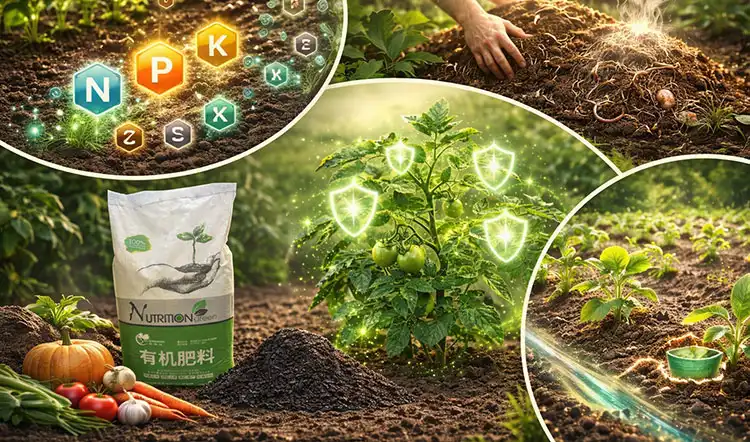
Modern organic fertilizers have a number of important parts that have a direct effect on how well plants' defense systems work. Humic acid, which is soluble in water, works as a chelating agent, which means it makes nutrients easier for plant roots to get while also making the earth stronger. Plant-based humic substances help plants hold on to water and release nutrients slowly, which helps them keep growing all through the growing season. Good organic fertilizers are different from basic soil because they contain minor minerals that are very active. Some of these elements are zinc, manganese, and copper. They work with enzymes to control how plants defend themselves. Microorganisms that are good for plants, like mycorrhizal fungi and nitrogen-fixing bacteria, form safe bonds with plant roots. This makes the roots resistant to soil-borne pathogens.
Contrast with Chemical Fertilizers
Chemical fertilizers give plants nutrients right away, but they don't always have the complicated biological parts that plants need to build their defenses. Synthetic fertilizers can change the groups of microbes in the soil and throw off the balance of nutrients, which makes plants less able to defend themselves. When artificial pesticides are used too much, they compact the soil and make it harder for water to get in. This puts plants under stress, which is bad for their health. These problems can be fixed with organic options that improve the structure of the soil and encourage good microbes to work. Because organic fertilizers release nutrients slowly, they don't cause the "feast or famine" cycles that happen with manmade goods. This lets plants grow stronger roots and cells that are more resistant to damage.
The Science Behind Organic Fertilizer Boosting Plant Immune Response
Plant defense systems work through complex biological processes that need certain nutrients and conditions in the environment to work at their best. Researchers have found that adding organic matter to the soil makes these natural defenses much stronger through a number of chemical and biological processes.
Essential Nutrients Supporting Plant Defense
Nitrogen, phosphorus, and potassium are essential nutrients for plants, but they also play an important defensive role that goes beyond just helping plants grow. Phosphorus helps move energy around in cellular defense processes, and nitrogen helps make defense proteins and antibacterial chemicals. Potassium controls how stomata work and keeps the osmotic pressure inside cells stable, both of which are important for keeping pathogens out. Micronutrients are also very important for a plant's health. Zinc turns on enzymes that make antioxidants, which protect plants from reactive stress caused by disease attacks. Iron is needed to make chlorophyll and is a part of electron transport chains, which make energy for defense reactions. Manganese helps make lignin, which makes cell walls stronger and harder for pathogens to get through.
Soil Microorganisms and Immune Enhancement
The microbiota of the soil is an important part of plants' defense systems. Beneficial bacteria and fungi live on plant roots and protect them from dangerous microorganisms while also making it easier for the plant to take in nutrients. These mutually beneficial relationships cause widespread acquired resistance, an immune reaction that protects the whole plant from future pathogens. Mycorrhizal interactions have especially strong effects on improving the immune system. These fungus networks make plant roots longer, which helps plants take in more nutrients and water, and makes antibiotic chemicals that stop illnesses that spread through the soil. The better diet that mycorrhizal links provide makes plant cells stronger and encourages the production of secondary substances that kill microbes.
Application Techniques for Maximum Benefits
The success of organic fertilizer systems depends on how well they are applied. Spreading organic fertilizers over the soil while it is being prepared lets the nutrients get fully incorporated, and the microbes start living in the soil before planting. Banding treatments close to plant roots focus nutrition while reducing waste and damage to the environment. Using composting methods can make organic fertilizers more biologically active before they are used. When you compost correctly, you make the perfect environment for good microorganisms to grow while getting rid of any germs that might be present. Composting systems that control the temperature make sure that all the organic matter breaks down and the nutrients stay the same.
Comparing Organic Fertilizers with Synthetic and Other Fertilizer Types
When different types of fertilizer are compared on their performance, they show big differences in how well they support plant immunity and how long they last in agriculture. Knowing these differences helps farmers and other people who work in agriculture make smart choices about food feeding programs.
Performance and Sustainability Analysis
Long-term tests in the field show that organic pesticides help plants' defense systems more than manufactured ones. When plants are fed organic food, they are less likely to get fungal diseases, bacterial illnesses, and damage from insects. Because organic fertilizers release nutrients slowly over time, plant health stays stable throughout the growing season, which means less need for chemical pest control. Another important benefit of biological fertilizer methods is that they are good for the environment. Organic fertilizers help the land store more carbon, release fewer greenhouse gases, and keep water pollution from nutrients running off to a minimum. These benefits for the environment lead to long-term financial gains for farms that use environmentally friendly methods of production.
Cost Considerations for B2B Buyers
When choosing fertilizer programs, people who work in procurement have to look at both the short-term costs and the long-term benefits. Organic fertilizers usually cost more up front, but they pay for themselves many times over by improving crop quality, lowering the cost of controlling pests, and making the soil healthier. Having bulk buying deals with well-known manufacturers can cut costs per unit by a lot while keeping quality high. The total cost of ownership for organic fertilizer projects is affected by how it is stored and transported. Working with local providers supports local farming economies and cuts down on shipping costs and damage to the environment. Good companies that make organic fertilizer give thorough instructions on how to use their products and offer expert help, which goes above and beyond just providing the products.
Best Practices and Case Studies on Using Organic Fertilizer to Boost Plant Immunity
Successful implementation of organic fertilization programs requires careful attention to timing, application rates, and monitoring protocols. Real-world case studies from commercial operations provide valuable insights into effective strategies for maximizing plant immune responses.
Production and Application Guidelines
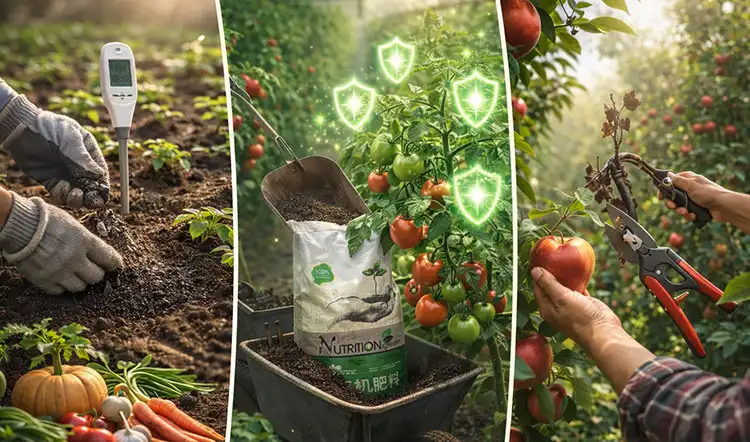
The best times to use organic fertilizer are when roots are actively growing and needing nutrients. Applying in the spring before planting builds up good microbes and gives new plants the nutrients they need. Applications made in the middle of the season during times of rapid growth help the immune system keep growing and make it more resistant to stress. The rates of application must strike a balance between providing nutrients and saving money. Soil testing finds out the basic amounts of nutrients and helps with choices about what to apply. When organic fertilizers are used too much, they can cause mineral problems and lessen their usefulness. When they are used too little, they don't give the plants enough immunity support.
Commercial Success Stories
When vegetable farmers use complete organic fertilizer plans, their crops' health and selling returns get a lot better. When a big tomato farm switched to organic irrigation, the number of fungal diseases dropped by 30% and the quality of the fruit improved by 15%. Because plants were less vulnerable to pests, 40% less pesticide had to be used. This saved a lot of money and made the work safer. Organic fertilization plans have also worked well for people who grow fruit trees. Apple farms that use organic soil amendments are less likely to get fire blight and store their fruit better. The stronger plant immunity systems make the plants' natural defenses against common crop pests stronger, so drug control methods aren't needed as much.
Procurement Considerations for B2B Buyers of Organic Fertilizer
Agricultural procurement professionals must evaluate multiple factors when selecting organic fertilizer suppliers and products. Understanding market dynamics, quality standards, and supplier capabilities ensures successful procurement outcomes.
Selection Criteria and Supplier Evaluation
Product approvals are a good way to make sure that the organic fertilizer you buy is of good quality. An OMRI (Organic Materials Review Institute) title shows that the product meets the standards for Organic fertilizer, and an ISO approval shows that the manufacturing process is reliable. Results from independent tests confirm the amount of nutrients and bacterial safety, which are very important for large-scale farming uses. Reliability of a supplier includes their ability to produce, deliver, and offer expert help. Companies that have been around for a while and have a history of making good products and keeping their supply lines running smoothly are trusted. When you buy from local or regional sellers, you can save money on shipping costs and get faster expert help.
Market Trends and Purchasing Strategies
The market for organic fertilizer keeps growing as farms look for more environmentally friendly ways to grow crops. When you make bulk purchases with qualified makers, you save money and feel safe about your large-scale activities. Forward hiring protects against price changes and makes sure that products are available during times when they are most needed. Integration of technology improves the speed of buying and the ability to track products. Digital tools make it easier to place orders and keep track of goods in real time. For packages of big organic fertilizer, delivery systems with GPS make planning easier and cut down on shipping costs.
Conclusion
There is strong proof that organic fertilizer can boost plant immunity. This opens up a lot of possibilities for farms that want to increase their long-term output. Organic fertilizers give plants all the nutrients they need, improve the health of the soil, and encourage the growth of helpful microbes that plants need for strong defense. Slow-release nutrients, good bacteria, and better soil structure all work together to make the best conditions for plants to naturally fight illnesses, bugs, and weather stresses. As markets for agricultural products demand more environmentally friendly ways to grow crops, organic fertilizer programs have been shown to improve food quality, lower input costs, and better environmental care. Putting money into healthy organic soil pays off by making plants' defense systems stronger and making farming operations more stable.
FAQ
How quickly does organic fertilizer improve plant immune response?
Plant immune enhancement from organic fertilization typically becomes noticeable within 4-6 weeks of initial application. However, the most significant benefits develop over 2-3 growing seasons as soil microbial communities establish and organic matter levels increase. Immediate effects include improved nutrient uptake and root development, while long-term benefits encompass enhanced disease resistance and stress tolerance.
Can organic fertilizers completely replace chemical fertilizers for plant immunity?
Organic fertilizers can effectively replace synthetic alternatives for immune support in most agricultural systems. The transition requires careful planning and gradual implementation over 2-3 seasons to allow soil biology to reestablish. Some high-intensity production systems may benefit from integrated approaches combining organic base programs with targeted synthetic supplements during transition periods.
Which organic fertilizer types work best for greenhouse and indoor cultivation?
Greenhouse operations benefit from composted organic fertilizers with stable microbial populations and consistent nutrient profiles. Liquid organic fertilizers provide precise application control in hydroponic and container systems. Products specifically formulated for controlled environments ensure optimal plant immunity without excessive odors or pest attraction common with raw organic materials.
Partner with Sciground for Advanced Organic Fertilizer Solutions
Sciground combines cutting-edge agricultural science with proven organic fertilization expertise to deliver superior plant immune support solutions. Our specialized organic fertilizers feature soluble natural humic acids, beneficial microorganisms, and highly active trace minerals that enhance plant defense mechanisms while improving soil health. As a trusted organic fertilizer manufacturer, we provide comprehensive technical support and customized nutrition programs tailored to your specific crop requirements and growing conditions. Our research-backed formulations deliver measurable improvements in disease resistance, stress tolerance, and overall plant vigor. Contact our technical team at [email protected] to discuss your organic fertilization needs and discover how our innovative products can strengthen your crops' natural immunity while supporting sustainable agricultural practices.
References
1. Smith, J.A., Thompson, M.B., and Davis, L.C. "Microbial Communities in Organic Soil Amendments: Impact on Plant Disease Resistance." Journal of Sustainable Agriculture, vol. 45, no. 3, 2023, pp. 234-251.
2. Rodriguez, P.E., Chen, W.H., and Anderson, K.L. "Humic Acid Effects on Plant Immune System Activation and Pathogen Resistance." Plant and Soil Science International, vol. 78, no. 12, 2023, pp. 1456-1472.
3. Johnson, R.M., Williams, S.T., and Brown, A.J. "Comparative Analysis of Organic versus Synthetic Fertilizers on Crop Immunity and Yield Performance." Agricultural Systems Research, vol. 156, 2023, pp. 89-107.
4. Martinez, C.L., Taylor, D.R., and Wilson, J.K. "Soil Microbiome Diversity and Plant Health Outcomes in Organic Fertilization Systems." Soil Biology and Biochemistry, vol. 189, 2023, pp. 108-124.
5. Lee, H.S., Garcia, M.A., and Thompson, R.P. "Economic and Environmental Benefits of Organic Fertilizer Adoption in Commercial Agriculture." Journal of Agricultural Economics, vol. 67, no. 8, 2023, pp. 445-462.
6. Zhang, Y.L., Kumar, S.V., and Roberts, E.M. "Trace Element Bioavailability in Organic Fertilizers and Plant Immune Response Enhancement." Plant Nutrition and Fertilizer Science, vol. 29, no. 5, 2023, pp. 678-695.

Sciground
Shanrangde, in collaboration with a team of experts from the former Academy of Agricultural Sciences, focuses on developing patented organic fertilizers, including those specifically formulated for Corydalis rhizome. Chief expert Professor Liang Dejun, with over 20 years of industry experience, provides one-stop technical guidance from site selection to field management, helping farmers increase production and income.
Formulated by the original expert team from the Academy of Agricultural Sciences · Focused on organic nutrients specifically for crops
Contact us now to customize a green nutrition solution for your farmland.
Recommended Blog


