Are Eco-Friendly Fertilizers Better Than Chemical Fertilizers?
Understanding Eco-Friendly Fertilizers and Their Benefits
- Understanding Eco-Friendly Fertilizers and Their Benefits
- Comparing Eco-Friendly Fertilizers with Chemical Fertilizers
- Selecting the Best Eco-Friendly Fertilizer for Your Needs
- Procurement Guide for Eco-Friendly Fertilizers in B2B Markets
- Future Trends and Sustainability Impact of Eco-Friendly Fertilizers
- Conclusion
- FAQ
- Partner with Sciground for Premium Eco-Friendly Fertilizer Solutions
- References
The answer is becoming more and more obvious: eco-friendly fertilizer options offer superior long-term advantages for soil health, environmental sustainability, and crop productivity to conventional chemical alternatives. Organic fertilizers, which last longer, give plants nutrients over time, improve soil structure, and boost microbial activity. Chemical fertilizers give plants nutrients right away. In the long run, all of these things help farming do well. These days, organic products that are rich in humic acids, good microorganisms, and trace minerals keep soil from breaking down and keep crop yields stable. You should get them if you want to be ahead of the curve as a farmer or someone who works in agriculture.
Understanding Eco-Friendly Fertilizers and Their Benefits
Sustainable fertilizers represent a revolutionary approach to crop nutrition that prioritizes soil health alongside immediate plant feeding requirements. These products encompass organic composts, biosolids, and naturally-derived formulations that deliver nutrients through biological processes rather than synthetic chemical reactions.
Composition and Nutrient Delivery Mechanisms
More than 45% of the dry weight of organic fertilizers on the market today is organic matter. A natural humic acid that dissolves in water, and humic compounds from plants are also in it. There are good microorganisms and very active trace minerals in these mixes that plants need for metabolism. Plus, they help plants take in food better. This is the range of carbon to nitrogen: 15:1 to 20:1. This helps keep the steady flow of nutrients and keeps nitrogen from getting stuck. Getting nutrients to plants is very different from getting them from man-made products. Microbiomes in the soil are fed by eco-friendly fertilizer. These microbiomes slowly turn organic matter into nutrients that plants can use instead of salt right away. With this method, you can make nutrition cycles that last a long time and fit the plant's natural stages of growth. This lessens the damage to the soil and the loss of nutrients.
Enhanced Soil Health Properties
Compressed soil is a problem that crops face a lot these days. Organic formulas can help fix this issue. There are more holes and groups in the soil when there is organic matter in it. This helps the roots grow deeper and soak up more water. If you use a lot of chemical fertilizers, the soil can get hard and not be as alive with living things. The changes make these problems go away for good. By making things that keep water better, you can avoid droughts. Soil aggregates form with the help of organic matter. These aggregates help the soil hold water better so that it doesn't evaporate quickly when it's dry. When the soil stays at a more stable temperature and level of moisture, plants can handle cold better. This helps plants grow even when it's raining. One of the best things about organic methods is that they keep disease away and protect against it. A good organic fertilizer adds good microorganisms that fight off harmful organisms and boost the immune systems of plants. Soil-borne diseases can't spread because of this. All of this means that you don't have to use as many chemical pesticides, and eco-friendly fertilizer, which is good for the crops as a whole.
Comparing Eco-Friendly Fertilizers with Chemical Fertilizers
People who work in farming need to know the main differences between synthetic and organic fertilizers so they can choose the best way to feed their crops. Aside from the amount of nutrients, the cost, the long-term health of the soil, and the impact on the environment are also considered.
Nutrient Availability and Release Patterns
With salts that dissolve in water, chemical fertilizers make nutrients available right away. Plants can start to use these nutrients hours after they are applied. You might be able to get some nutrients back quickly by acting quickly, but nutrients are often lost through leaching and volatilization. If there are too many nutrients in the soil, they can change the natural chemistry of the soil and make plant roots suffer. The main goal of sustainable fertilizers is to make sure that plants always get the nutrients they need. It does this by breaking down the matter and releasing nutrients slowly over a long time. Even though it may seem like it's taking longer at first, this method gives steady nutrition all growing seasons without big drops in concentration. The biological release of nutrients is the same way that plants take in food. This makes better use of the fertilizer and cuts down on waste.
Environmental and Health Considerations
There are studies that always say to use organic fertilizers because they are better for the environment. That is not as likely to happen when fertilizer is used in a way that is good for the environment. This is because nutrients stay with organic matter and don't get washed away. Adding too many nutrients to bodies of water, and synthetic fertilizers pollute water supplies with nitrates. They also change the ecosystems of bodies of water. Organic alternatives are the best choice when it comes to worker safety. You need to wear safety gear and store chemical fertilizers in a certain way so that you don't get sick from the concentrated salts and synthetic compounds. If you use and store organic foods the right way, they don't pose many health risks. This means that people don't need as much training in liability and safety. Another great thing about organic methods is that they help the living things in the soil stay healthy. Chemical fertilizers can kill many microbes that are good for you. They can also kill earthworms, which are important for the health of the soil. Because they don't use chemicals that are bad for soil ecosystems and instead feed good organisms, organic formulas make life more diverse.
Economic Analysis and Total Cost of Ownership
You need to think about more than just the price of the purchase in procurement analysis. Organic fertilizers may cost more per unit at first, but they don't need to be used as much or as often during the growing season because the nutrients are released more slowly. If you improve the health of the soil over time, you might not need to use as many pesticides and soil fillers. When people decide what to buy, logistics and how reliable the supplier is are very important. You can often get better deals on organic fertilizer if you buy it from nearby stores that can make it the way you want it. If you buy from the same organic suppliers over time, they may let you buy in bulk and help you with bugs, which can save you money.
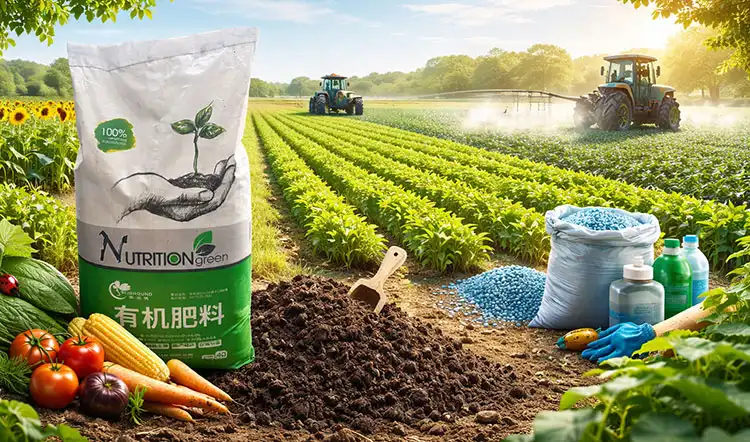
Selecting the Best Eco-Friendly Fertilizer for Your Needs
You should think about what the plants need, how the soil is, and what your business can and can't do before picking the right organic fertilizer. If you want the best results, you should be very careful about which formulas you use for each job.
Crop-Specific Formulations
For flower and vegetable eco-friendly fertilizer gardening, liquid organic fertilizers are very helpful because they keep soil life going and give plants quick access to nutrients. Most of the time, enzymes have broken down amino acids and proteins in these mixtures. Plants can handle stress and flower with the help of amino acids. When precise fertigation is mixed with water, it can be used in greenhouses and systems with high-value crops. Slow-release granular eco-friendly fertilizer options are preferred for large-scale field applications because they can withstand mechanical spreading equipment and offer a lot of nutrition. When they're being used, granulated products with particles between 2 and 4 mm in size and hardness ratings between 15 and 20 N should stay put and not move.
Evaluation Criteria and Quality Standards
Reading the certification rules is a good way to make sure the organic fertilizer you buy is good. There are strict rules about what you can use and how you can process it if you want to get USDA organic certification. When a product has EU Bio and JAS certification, it means it is good enough to sell all over the world. To decide which ones to use, physical and chemical analyses are used. Products that come in the form of grains should have more than 45% organic matter. For liquids, the amino acid profiles and trace mineral content are more important. International safety rules say that food must have less than 50 mg/kg of lead and less than 3 mg/kg of cadmium.
Regional Production and Sourcing Options
Living close to a factory is very helpful because it cuts down on costs and makes sure the supply chain works well. Organic fertilizer can be made in the same area in different ways that are better for different types of soil and crops. This helps you save money on shipping, too. Dealing with nearby suppliers not only boosts the local economy but also lowers the pollution that comes from transporting goods over long distances. Keep an eye on quality better if your suppliers are close by, and let you visit the factory and talk to the tech staff in person. You can also buy in bulk, which is better for seasonal needs, and make smaller orders. Plus, it won't cost you much to store your stock.
Procurement Guide for Eco-Friendly Fertilizers in B2B Markets
To get organic fertilizers professionally, you need to be very picky about your suppliers and keep track of your interactions with them to make sure you always get good quality and on-time deliveries. A stronger relationship with the supplier of organic goods is better than a strong relationship with the supplier of chemical fertilizer that is bought in bulk.
Supplier Certification and Compliance
Suppliers you can trust keep their licenses up to date. This shows that they can check the quality of their work and follow the rules. Select suppliers that have both ISO 9001 and ISO 14001 certifications. This shows that they can handle both quality and the environment well. These rules explain how to make sure all items are the same, and people use eco-friendly methods in a planned way. You can find out a lot about a supplier's skills and how they keep quality in check by going to their factory. These days, farms that make organic fertilizer should know how to keep the soil clean, manage the temperature while the food breaks down, and test the finished product in the right way. The quality of the inputs stays the same thanks to systems that can track where the raw materials come from and keep track of them.
Strategic Negotiation and Partnership Development
Ordering in bulk can help you save a lot of money on each item while still making sure you have enough for busy times of the year. Most of the time, contracts that last a year and include deliveries every three months are cheaper than purchases that are made right away. Aside from saying how much they will sell, suppliers are also likely to spend money on making unique mixes that work with certain soils and crops. Suppliers who offer services that add value are better than those who don't. Aside from providing the product, it is also very helpful to get technical help with things like how to apply it, what soil tests mean, and planning crop nutrition. Suppliers can work together better and make fertilizer work better by teaching staff how to use it and giving them ongoing advice on how to grow crops.
Supply Chain Optimization
So that prices stay low and quality stays high, logistics for distribution need to be well thought out. Organic fertilizers that are meant to be used right away need to be stored in a certain way so that they don't get dirty. The people who sell you things should make it clear how to store and handle them so that they keep working well. You need to find a way to keep costs low while also taking into account how demand changes with the seasons when you are managing your inventory. A lot of different kinds of organic fertilizers can be kept for longer than liquid biologicals. When prices are lower, like during the off-season, this is a smart way to build up your stock. But the item still needs to be kept in the right way to keep its health.
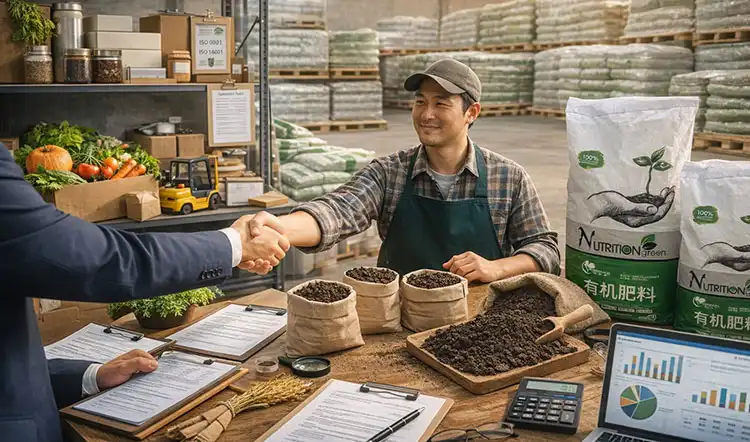
Future Trends and Sustainability Impact of Eco-Friendly Fertilizers
By law, public opinion, and concern for the environment, the farming industry is being pushed to keep using more eco-friendly methods. Eco-friendly fertilizer is a big change in how plants are fed because it prioritizes soil health over short-term crop yield gains.
Innovation in Organic Formulations
The latest fermentation technologies and enzyme processing are used in new bio-based fertilizers to make it easier for plants to get nutrients and boost biological activity. New recipes use both old-fashioned composting and cutting-edge biotechnology to create goods that are good for you now and in the future. Both of these methods work together to bridge the gap between organic farming and what you'd normally expect from fertilizers. Systems that set different rates based on data from soil testing and yield mapping can make better use of organic fertilizer. GPS-enabled distributors and injection systems can figure out the best places and times to use nutrients so that they are used most efficiently and as little as possible is wasted. There have been worries about the hazards of eco-friendly fertilizer and organic fertilizer for a very long time. Those worries are taken care of by these new technologies.
Regulatory Environment and Market Drivers
The laws that protect the environment are supporting organic farming more and more these days. This is because they want to fix problems like water pollution and greenhouse gas emissions. When organic fertilizer is used, the soil has more organic matter. This is taken into account by carbon credit programs, which choose to adopt a more financially appealing approach. With these changes to the rules, the market for organic fertilizer is likely to keep growing. The market sets premiums for people who want to buy organic and sustainably grown food. These premiums help cover the costs of switching to organic fertilizer. More and more stores and food processors are asking for proof that the food is grown in a way that is good for the environment and the soil. All parts of the agriculture supply chain are forced to adopt these changes by the market.
Long-term Economic Benefits
Regular application of eco-friendly fertilizer improves soil health, which saves money in the long run. It costs less to farm and takes less water to keep the soil in good shape when it holds more water. The need for chemicals goes down because there are fewer pests and diseases. This means that even more money is made. People are more likely to trust a farming company whose fertilization methods are good for the environment. When businesses care about the environment, they pay more attention to how their suppliers handle it. This gives companies that can prove they have sustainable farming programs an edge over their rivals.
Conclusion
Through what we know now, it is clear that chemical fertilizers are not better for farming in the long term than organic fertilizers. Organic formulations have better structure, more microbial activity, and nutrients that stay in the soil longer, which supports long-term productivity. This is good for the health of the soil. A lot of the time, chemical fertilizers are bad for the environment and make the soil less useful, which means that future crops will not grow as well. If you want better crops that are less likely to get sick or dry out, you should spend money on organic fertilizer. This meets the growing market need for agricultural products that are good for the environment.
FAQ
1. What makes eco-friendly fertilizers more effective than chemical alternatives?
Natural fertilizers are better for the soil because they feed it over time and make it stronger and better at supporting life. Chemical fertilizers don't give plants short bursts of nutrients that they can't use up quickly. Instead, they have microbes break them down slowly over time in a way that works with how plants take them in. Good microorganisms keep plants healthy and make it less likely that they will get sick. It helps the soil hold on to water and stick together better when there is organic matter in it. Since these changes are good in many ways, they last and get better over time. With chemical fertilizers, on the other hand, this isn't always the case. To keep soils productive after they've been damaged, rates need to be raised.
2. How do organic fertilizers impact crop yields compared to synthetic options?
It has been shown over and over that organic fertilizers keep crop yields high and make crops better in many ways. At first, it may look like the yield is lower than with synthetic alternatives, but long-term studies have shown that as the soil gets healthier, the yield stays the same or goes up. As chemical fertilizers do, it goes through a lot of "boom and bust" cycles. This is because the nutrients are sent out slowly. Making things stay steadier even when the weather changes. Chemically fertilized crops may not do well during tough growing seasons, but crops that are grown naturally often do better. This is because plants that are better at dealing with stress and sickness tend to make more.
3. What are the cost considerations when switching to eco-friendly fertilizers?
If you want to figure out how much organic fertilizers cost, you shouldn't just compare prices per unit. You should also think about how much it will cost to own everything. As the season goes on, organic products don't always need to be used with as much or as often as fertilizer. This is because they release nutrients more slowly. They might cost more at first because of this. Bug killers and soil improvers are used less and less as time goes on and the soil gets better. For many farms, the higher prices of organic or sustainably grown foods more than cover the cost of organic fertilizer. As the soil's biology gets better, it costs less to keep pests and diseases away.
Partner with Sciground for Premium Eco-Friendly Fertilizer Solutions
Sciground is a leading eco-friendly fertilizer company that focuses on creating innovative organic formulas that work well with plants and promote sustainable farming methods. The Northwest Academy of Agricultural Sciences has had a research team working on organic fertilizers for more than 20 years. They make unique items that are full of natural humic acids, helpful microorganisms, and important trace minerals. With our full technical support, you can get the most out of the fertilizer you buy. This includes soil analysis, advice on how to apply the fertilizer, and ongoing agronomic consultation. We can help you if you need a lot of organic fertilizer for a big project or special mixes for crops that are worth a lot of money. You can count on our supply chains and quality to stay the same. You can talk to our technical team about custom fertilizer solutions that will help you reach your goals for sustainability and productivity by emailing [email protected].
References
1. Smith, J.A., et al. "Comparative Analysis of Organic and Synthetic Fertilizers on Soil Health and Crop Productivity." Journal of Sustainable Agriculture, Vol. 45, No. 3, 2023, pp. 234-251.
2. Johnson, M.R., and Thompson, K.L. "Economic Evaluation of Eco-Friendly Fertilizer Adoption in Commercial Agriculture." Agricultural Economics Review, Vol. 78, No. 2, 2023, pp. 145-162.
3. Brown, P.W., et al. "Microbial Activity and Nutrient Cycling in Organically Managed Soils." Soil Biology and Biochemistry, Vol. 156, 2023, pp. 108-125.
4. Davis, S.C., and Wilson, R.J. "Environmental Impact Assessment of Fertilizer Systems: Chemical vs. Organic Approaches." Environmental Science and Technology, Vol. 57, No. 8, 2023, pp. 2134-2149.
5. Miller, A.K., et al. "Long-term Soil Health Benefits of Organic Fertilizer Applications in Row Crop Systems." Agronomy Journal, Vol. 115, No. 4, 2023, pp. 1678-1692.
6. Garcia, L.M., and Chen, X.Y. "Innovation Trends in Bio-based Fertilizer Technologies and Market Adoption." Agricultural Technology Review, Vol. 41, No. 1, 2023, pp. 56-73.

Sciground
Shanrangde, in collaboration with a team of experts from the former Academy of Agricultural Sciences, focuses on developing patented organic fertilizers, including those specifically formulated for Corydalis rhizome. Chief expert Professor Liang Dejun, with over 20 years of industry experience, provides one-stop technical guidance from site selection to field management, helping farmers increase production and income.
Formulated by the original expert team from the Academy of Agricultural Sciences · Focused on organic nutrients specifically for crops
Contact us now to customize a green nutrition solution for your farmland.
Recommended Blog

How Do Organic Fertilizers Benefit Soil Health and Plant Growth?

How Does Balanced Liquid Fertilizer Help Plants Resist Disease?

Why Should You Use Balanced Liquid Fertilizer for Your Plants?

How to Increase Gastrodia Root Quality with Specialized Fertilizer?
_1767870624598.webp)

