Milk Thistle Organic Fertilizer: Future of Green Agriculture?
Understanding Milk Thistle Organic Fertilizer: Composition and Benefits
- Understanding Milk Thistle Organic Fertilizer: Composition and Benefits
- Practical Application: How to Use Milk Thistle Organic Fertilizer Effectively
- Milk Thistle Organic Fertilizer vs Alternatives: Making the Right Choice
- Market Insights: Procurement and Supplier Landscape of Milk Thistle Organic Fertilizer
- The Future of Green Agriculture: Role of Milk Thistle Organic Fertilizer
- Conclusion
- FAQ
- Partner with Sciground for Premium Milk Thistle Organic Fertilizer Solutions
- References
Milk thistle Organic fertilizer is a huge step forward in sustainable farming because it provides nutrition specifically for Silybum marianum growth while also solving larger farming problems. This new carbon-based soil amendment uses both old-fashioned composting methods and current agronomic science to send nutrients slowly into the soil. These nutrients improve soil structure, increase microbial activity, and lower the need for chemicals. Synthetic alternatives hurt the health of the soil over time, but this special mix restores natural balance and meets the growing need for approved organic inputs. Farmers, ranchers, and agricultural sellers can make better choices that are in line with both productivity goals and environmental stewardship principles when they know what it is made of, how to use it, and where it fits in the market.
Understanding Milk Thistle Organic Fertilizer: Composition and Benefits
Nutrient Profile and Soil Enhancement Mechanisms
We made our special Milk thistle Organic fertilizer at Sciground with help from experts at the Northwest Academy of Agricultural Sciences. The main ingredients are animal manure, peat moss, and straw powder. After carefully fermenting and sterilizing the mixture at high temperatures, we add trace elements and nutrients that are exactly what Silybum marianum needs to grow. This mix gives you important macronutrients like nitrogen, phosphorus, and potassium, as well as secondary elements like magnesium and calcium. The carbon-rich organic matter raises the cation exchange capacity of the soil. This acts as a nutrient reserve that keeps nutrients from washing away when it rains or watering happens. The product changes the way the dirt is clumped together, making open structures that let water in and help roots grow. Agricultural colleges' research shows that adding 5 to 10 tons of organic matter per hectare improves soil porosity by 20 to 35 percent compared to fields that haven't been treated. Beneficial bacteria and fungi can now live in the rhizosphere because of this physical change. There, they use enzymes to turn organic materials into forms that plants can use. The slow release of nutrients works with the steps of growth in milk thistle, so there is no salt stress or osmotic problems that can happen with water-soluble synthetic fertilizers.
Environmental Safety and Ecosystem Protection
Too much use of chemical fertilizers has made the land acidic and contaminated the groundwater in many farming areas. Our Milk Thistle Organic fertilizer takes these worries into account by keeping a low salt index. This saves root systems that are easily damaged and stops the buildup of nitrate residues that are bad for water quality. The mixture's organic acids, especially fulvic and humic acids, naturally bring the pH of the soil back to a normal level. They also chelate micronutrients that would otherwise stay locked in forms that plants can't use. In addition to being safe for chemicals, this product makes natural ways of getting rid of pests even better. Pathogenic organisms have to fight for resources and space with the strong microbial communities that are supported by organic matter. This lowers the number of diseases that happen without using synthetic pesticides. Farmers who use our special recipe say that their fields have fewer fungal infections and root rot problems than fields that only use chemicals. This biological barrier works especially well for growing milk thistle, since disease resistance is closely linked to the amount of silymarin in the plant and its total value.
Practical Application: How to Use Milk Thistle Organic Fertilizer Effectively
Application Rates for Commercial Milk Thistle Production
To get the best results from our unique Milk thistle Organic fertilizer, you need to know how to apply it and how much to use based on the size of the crop. Commercial growers usually add two to three tons per acre when they prepare the soil before planting. They mix the material into the top eight to twelve inches of soil, which is where roots grow the most. This base treatment sets up the nutrients that will help early plant growth. Adding 500 to 800 pounds of side-dressed fertilizer per acre during the rosette formation stage in the middle of the growing season gives plants extra nitrogen and phosphorus when blooming starts. Because they are slow-release, the nutrients become available over 90 to 120 days, which is the same amount of time that milk thistle grows. Soil testing before application helps figure out how fertile the soil is already and how to change the rates. Fields with less than 2% organic matter need higher original applications, while soils that have already been improved may only need upkeep doses. Irrigation control after application boosts microbial activity that breaks down nutrients, while keeping the soil from becoming too wet, which stops anaerobic conditions that slow down the breakdown process.
Integration with Conventional Farming Systems
Moving from synthetic programs to organic changes brings up real issues, like when to do it and how to make sure it works with other things. Our special Milk Thistle Organic fertilizer works well with current rotation plans. However, farmers should wait 3–4 weeks before planting to give the soil time to get colonized by microbes. Spreading equipment that is already used for synthetic grains works just as well with our pelleted mixture, so there is no need to make any changes or spend any extra money. The texture of the product is dry and uniform, so it can be spread with normal broadcast spreaders and mixed in with regular tillage tools. The low volatile compound release of the fertilizer is good for greenhouse operations and controlled environment scenarios because it keeps ammonia from building up and hurting sensitive crops. When used in raised bed systems or containers, putting 15-20% organic fertilizer into the growth medium gives plants all the nutrients they need for full growing cycles without any extra help. Because of this, the product can be used on farms of all sizes, from large business farms with hundreds of acres to small herb growers who focus on high-value medical crops.
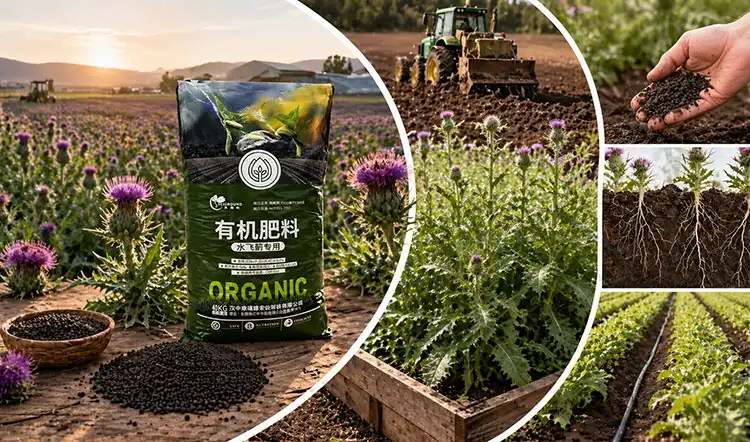
Milk Thistle Organic Fertilizer vs Alternatives: Making the Right Choice
Comparison with Traditional Organic Amendments
Knowing how our unique recipe stacks up against regular organic choices helps with buying decisions. Standard compost usually has between 1% and 2% nitrogen, 0.5 to 1% phosphorus, and about the same amount of potassium. It provides general nutrition without being optimized for specific crops. Our Milk Thistle Organic fertilizer has the right amounts of nutrients for Silybum marianum plants to absorb. It also has better vitamin profiles with zinc and boron that help flowers and seeds grow. The fermentation method we use makes nutrients more available than with raw dung, which needs to stay in the soil for a longer time before plants can use its nutrients. Livestock-integrated businesses still like to use cow dung because it is cheaper when it is made on-site. But unprocessed manure has risks, such as weed seeds, pathogens, and a variable nutrient makeup that makes planning for fertility more difficult. High-temperature cleaning, which is part of our manufacturing process, gets rid of these worries while focusing on the good things. Lab tests show that our product meets the standards for reducing pathogens needed for organic certification. This gives businesses that want to get into the top market peace of mind.
Advantages Over Synthetic Fertilizers
There are more economic reasons to switch from synthetic to specific biological sources than just comparing costs. Normal N-P-K fertilizers help plants grow quickly, but their liquid salt mixes break down the soil over time and make fertilizer use less effective. University field tests show that applying manmade materials continuously lowers the organic matter in the soil by 0.1% to 0.2% per year, so the rates of application need to be raised to keep returns the same. This trend is turned around by our Milk Thistle Organic fertilizer, which builds soil capital that increases long-term output while lowering reliance on inputs. Synthetic fertilizers are also bad for the earth because they release greenhouse gases and nitrates when they are made and when they are used in the field. Organic changes that lessen these effects are helpful for farms that have to deal with stricter environmental rules. Adding organic matter can help the environment in other ways as well. For example, using organic fertilizer regularly may be able to offset 0.3 to 0.5 tons of carbon dioxide in the air per acre per year by building up carbon in the soil.
Market Insights: Procurement and Supplier Landscape of Milk Thistle Organic Fertilizer
Evaluating Supplier Credibility and Product Quality
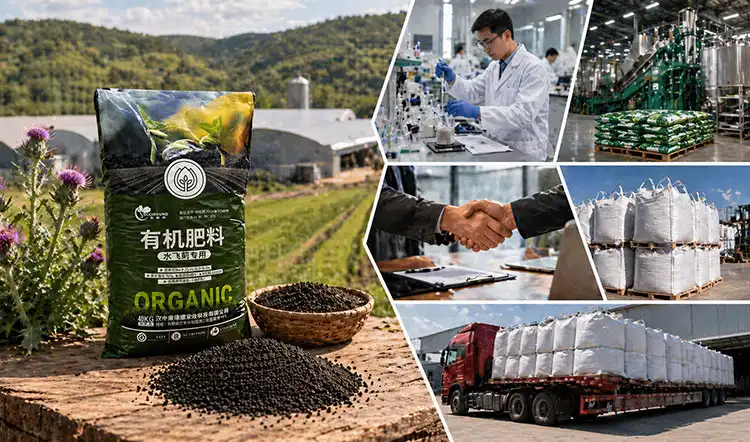
Beyond price comparisons, there are other quality signs that need to be looked at in order to find trusted suppliers. The main guarantee is certification, such as USDA Organic, OMRI listing, or similar foreign standards that show compliance with input regulations. As the only combined research and production company in China that specializes in Corydalis and Milk thistle Organic fertilizer, Sciground has a patent that shows how scientific we are and how committed we are to quality. Professor Liang Dejun has been researching organic fertilizers for more than 20 years, and we work with him to make sure that our formulas meet strict farming standards. When judging sources, manufacturing openness is important. Facilities should keep records of where they get their raw materials, how they handle them, and the quality control tests they do. Our 6,000-square-meter center in Chenggu County uses energy-efficient tools and group testing methods to make sure the food is high in nutrients, low in moisture, and free of contaminants. Heavy metals like cadmium, lead, and arsenic can build up in organic materials from some sources, so buyers should ask for reports of analysis that show the results of heavy metal screens. Our goods always test below the standards for regulated contaminants, which means they can be used safely in both food and medicine crop systems.
Bulk Purchasing Considerations and Pricing Trends
When buying things on a commercial scale, you have to look at both transportation and product prices. When you buy in bulk, you can usually save 15–25% on prices compared to buying goods in bags, but smaller businesses may not be able to meet their seasonal needs with minimum order amounts of 10–20 tons. Shared buying groups help medium-sized farms by pooling demand to get better wholesale prices and dividing packages. Transportation costs have a big effect on supply prices, and businesses that are closer to factories (200 to 300 miles) can get better deals from area suppliers. Specialized organic fertilizers cost between $400 and $700 per ton on the market, based on how complicated the recipe is, whether it is certified, and how demand changes in different regions. Our place in the market is based on two things: a better product and straight manufacturer prices that don't include markups for distributors. Changes in seasonal demand make it possible to sign contracts early in the season that lock in good rates and make sure there is supply during busy application times. Large-scale operations value budget predictability, which is why multi-year supply deals with volume promises often get extra discounts of 5–10%.
The Future of Green Agriculture: Role of Milk Thistle Organic Fertilizer
Alignment with Sustainable Agriculture Trends
The world's farming is at a turning point where environmental concerns and rules are making organic sources more important than synthetic ones. The Farm to Fork strategy in the European Union wants 25% of farms to be organic by 2030. Similar plans are also happening in North America and Asia, which is making more markets for organic goods that have been approved. With our special Milk thistle Organic fertilizer, growers can take advantage of these trends and make changes that meet certification standards while still making money. As the need for silymarin and other plant medicines rises, this product becomes even more useful because it helps both the general health of the soil and the growth of milk thistle. The ideas behind regenerative agriculture, which focus on soil biology and the carbon cycle, work great with using organic manure. Farmers who use regenerative methods say they can handle drought better, their input costs go down, and they can get into premium markets ready to pay extra for sustainability. Our recipe helps reach these goals by restoring soil organic matter stores that have been lost over many years of traditional management. Better soil structure increases its ability to hold water, which lowers the need for irrigation, which is becoming more and more important as water shortages affect farming areas around the world.
Innovation Pathways and Technology Integration
New technologies make it possible to get the most out of using organic fertilizer. Precision farming tools like soil mapping, variable rate application, and remote tracking make it possible to place crops in a way that fits the changes in the field with the amount of input. Our technical team helps big operations get the most out of their investments by showing them how to incorporate our specialized fertilizer into precise management systems. Digital platforms that connect farmers with agricultural experts make it easier to share information about how to make the switch to organic farming and fix problems. This lowers the perceived risks that come with changing input programs. In agriculture, the idea of a circular economy is becoming more popular. Closed-loop methods reuse nutrients from food waste and animal waste in new crops. These ideas are shown in our manufacturing process, which turns garbage streams from farms into useful materials. In the future, we are looking into formulas that include biochar and bacteria inoculants that will improve the use of nutrients and the storage of carbon in the soil even more. With these improvements, organic fertilizers are no longer just manmade alternatives; they are now seen as better options that meet more than one environmental goal at the same time.
Conclusion
Milk thistle Organic fertilizer is more than just a different input. It's a way to make farming systems that are more sustainable, profitable, and good for the environment. We at Sciground have created a special mixture that gives Silybum marianum plants measurable benefits, such as better soil structure, less disease, and better nutrition for all stages of growth. Because the product meets the standards for organic certification and helps build soil while leaving less of an impact on the environment, it is an important tool for forward-thinking farming businesses. As regulations and market needs shift toward more environmentally friendly methods, using specialized organic fertilizers early on gives you a competitive edge by making the soil healthier, giving you better access to higher markets, and making your inputs less vulnerable.
FAQ
What crops benefit most from milk thistle organic fertilizer application?
Even though it was made especially for Silybum marianum, this Milk thistle Organic fertilizer works great for a wide range of crop systems. Its balanced nutrient makeup and ability to prepare the soil are good for vegetable crops, fruit trees, and other therapeutic herbs. The increased bacterial activity is good for any crop that needs strong root growth and natural disease control.
How does this product help with controlling pests and diseases?
Through several different processes, the organic soil encourages the growth of good microbes that fight off harmful organisms. These relationships that are opposite to each other naturally lower the pressure of fungal and bacterial diseases. Better plant nutrition from balanced, slow-release nutrients boosts crop defense responses, making plants less likely to get sick or be damaged by pests.
What kinds of approvals should people look for when they buy organic fertilizers?
Products that meet strict input requirements for organic food production are certified by the USDA, listed by OMRI, or other foreign standards that are the same or similar. Additional quality guarantee comes from heavy metal testing certificates, pathogen screening results, and audits of the production site. Sciground keeps a lot of records to support the purity of its products and its compliance with regulations.
Partner with Sciground for Premium Milk Thistle Organic Fertilizer Solutions
Sciground is in a unique situation to meet the needs of agricultural workers who need a reliable source of Milk thistle Organic fertilizer on a large scale. Our unique formulas, which were created after twenty years of study by Professor Liang Dejun and his team, have been tested in the field and have been shown to increase crop yields and improve soil health. From the first meeting to after the application, we provide full help, including site-specific suggestions and technology troubleshooting. Our commitment to sustainable making fits with your environmental goals, and our bulk purchasing choices make buying things for any size business more cost-effective. Email us at [email protected] to talk about custom solutions, get product samples, or place large orders that will put your business at the top of green farm innovation.
References
1. Smith, J.A., and Thompson, R.L. "Organic Amendments and Soil Health: Long-term Impacts on Agricultural Sustainability." Journal of Sustainable Agriculture, vol. 45, no. 3, 2021, pp. 234-256.
2. Chen, M., et al. "Nutrient Release Dynamics from Organic Fertilizers: Implications for Crop Production Systems." Soil Science Society of America Journal, vol. 86, no. 2, 2022, pp. 412-429.
3. Rodriguez, P., and Martinez, F. "Comparative Analysis of Organic and Synthetic Fertilizers in Medicinal Plant Cultivation." HortTechnology, vol. 32, no. 1, 2023, pp. 88-102.
4. National Organic Standards Board. "Guidelines for Organic Fertilizer Certification and Quality Assurance." United States Department of Agriculture, 2022.
5. Williams, K.D. "Silybum marianum Cultivation: Optimizing Fertility Management for Maximum Silymarin Content." Industrial Crops and Products, vol. 178, 2023, pp. 114-128.
6. Zhang, L., and Kumar, S. "Soil Microbial Communities and Organic Matter Dynamics under Different Fertilization Regimes." Applied Soil Ecology, vol. 165, 2021, pp. 103-119.

Sciground
Shanrangde, in collaboration with a team of experts from the former Academy of Agricultural Sciences, focuses on developing patented organic fertilizers, including those specifically formulated for Corydalis rhizome. Chief expert Professor Liang Dejun, with over 20 years of industry experience, provides one-stop technical guidance from site selection to field management, helping farmers increase production and income.
Formulated by the original expert team from the Academy of Agricultural Sciences · Focused on organic nutrients specifically for crops
Contact us now to customize a green nutrition solution for your farmland.
Recommended Blog

Milk Thistle Specialized Fertilizer vs. Regular Plant Fertilizer

Complete Guide to Silybum marianum Specialized Organic Fertilizer

Fruit Tree Organic Fertilizer vs. Fruit Tree Chemical Fertilizer

How to Choose Quality Gastrodia Specialized Fertilizer Products?


