Do Water‑Soluble Fertilizers Work Better Than Granular?
Understanding Water-Soluble and Granular Fertilizers
- Understanding Water-Soluble and Granular Fertilizers
- Performance and Effectiveness Comparison
- Choosing the Right Fertilizer for Different Procurement Needs
- Best Practices for Using Water-Soluble Fertilizers in Commercial Settings
- Future Trends and Innovations in Fertilizer Technologies
- Conclusion
- FAQ
- Partner with Sciground for Advanced Water-Soluble Fertilizer Solutions
- References
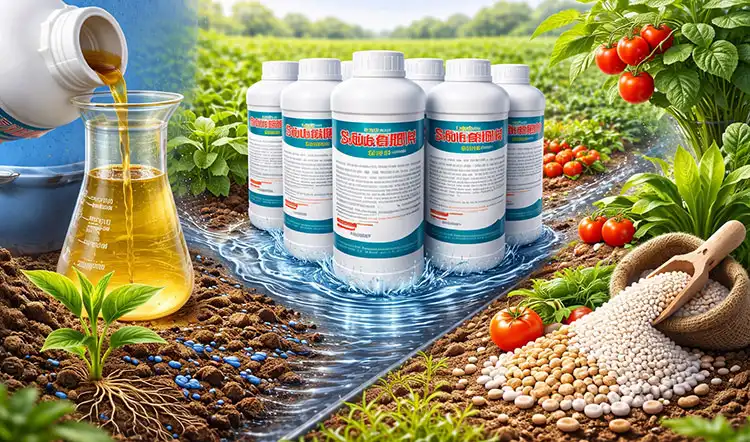
In terms of instant nutrient availability and absorption efficiency, water-soluble fertilizers usually beat granular options. These special mixtures dissolve completely in water, so plants can quickly take them up through their roots and leaves, with absorption rates of 80–90%. Water-soluble fertilizers deliver nutrients directly to plants when they need them most, unlike traditional granular options that rely on soil breakdown over time. This makes them especially useful for precision agriculture, hydroponics, and fertigation systems, where timing and efficiency are critical.
Understanding Water-Soluble and Granular Fertilizers
There are significant differences between liquid nutrient solutions and regular grainy goods that extend beyond appearance. Water-soluble fertilizers are a special type of multi-compound fertilizer because they fully dissolve in water without leaving any solids. To make these mixtures, they use very pure ingredients such as potassium nitrate, monoammonium phosphate, and vitamins chelated to achieve 99% to 100% solubility.
Chemical Composition and Nutrient Delivery Mechanisms
When you dissolve soluble fertilizer, the concentrated mineral salts become available immediately. The chemical structure allows it to pass straight through plant roots and leaf surfaces, bypassing the slower mineralization processes that grainy options require. Chelation technology is used in modern water-soluble products to keep nutrients from precipitating and being fixed in the soil. It does this by linking metal ions with organic molecules like EDTA or DTPA. Granular fertilizers, on the other hand, are made up of substances that release nutrients slowly over a long period of time. Often, these goods contain binding and covering agents that control the rate of release, but may make it less efficient to use nutrients overall. The breakdown process depends a lot on the weather, wetness, and activity of microbes in the soil. This means that nutrients may not always be available.
Application Compatibility and System Requirements
Because liquid fertilizers are so easy to dissolve, they work great with current watering systems like drip lines, sprinkler networks, and hydroponic systems. Professional growers like how precise these systems are, which lets them time the "spoon-feeding" of nutrients to the exact steps of a crop's life cycle. This focused method cuts down on leaching and groundwater pollution while increasing the efficiency of nutrient use. To keep micro-irrigation systems from getting clogged up, good water-soluble items must have less than 0.5% water-insoluble matter. To get the most nutrients into the plants and keep the roots from getting burned by osmotic stress, electrical conductivity and pH levels are carefully monitored.
Performance and Effectiveness Comparison
Commercial growers say that liquid fertilizer systems are better at getting nutrients into plants than standard spreading methods. According to research, regular granular treatments only get 30–40% of the nutrients used, but fertigation with water-soluble goods can get rates higher than 90%.
Crop Response and Growth Enhancement
Soluble versions make it easy for plants to get nutrients quickly, which helps them grow in measured ways. When nutrients are applied at just the right time through water-soluble systems, crops like tomatoes, leafy veggies, and high-value greenhouse plants grow better. The rapid bioavailability helps plants grow during important stages like blooming, fruiting, and stress recovery. New types of water-soluble fertilizers that contain important micronutrients work especially well at making plants healthier and less likely to get diseases. These items help plants grow by quickly absorbing nutrients and sending them straight to biochemical centers. Premium versions have more than one use, so they make leaves bigger and thicker and help plants flower and fruit.
Environmental and Economic Considerations
A study of the economy shows that using water-soluble fertilizers in businesses has strong benefits. Even though the original cost per unit may seem higher, the better nutrient use efficiency means that less fertilizer is needed and more crops are grown. When compared to mechanically spreading solid products, precise fertigation systems require less work, which is good for large-scale operations. When fertilizer waste and leaching are cut down, environmental care gets a lot better. The managed spraying method keeps soils from getting too salty and stops the waste of nutrients that can hurt water quality. As regulations push for more environmentally friendly farming methods, these factors become more significant.
Choosing the Right Fertilizer for Different Procurement Needs
When choosing between liquid and powdered fertilizer, people in charge of procurement have to look at a number of factors. The best choice for each farming business depends a lot on the type of crop, the growing environment, and the equipment needed to run the business.
Crop-Specific Requirements and Growing Conditions
Water-soluble fertilizer systems that give exact nutrient control throughout growing cycles are very helpful for high-value crops. Greenhouses, hydroponic systems, and intense veggie production systems need nutrients that can be used right away, which can only be provided by fully soluble products. Slow-release granular goods don't give you as much practical freedom because you can't quickly change formulations to meet plant needs or changes in the environment. Field crops that have longer growing seasons might do better with combination methods that combine base granular doses with extra Water-soluble fertilizers during key growth times. This plan strikes a balance between cost and performance needs while keeping the land fertile for long periods of time.
Product Formulation and Supply Chain Considerations
These days, agricultural businesses put more and more value on sellers who offer full technical help along with high-quality goods. Reliable makers offer recipe knowledge, application advice, and quick customer service, that are all important for making fertilizer programs work better. Stability in the supply chain is very important when running big businesses that need to make sure products are always available and meet specifications. The way prices are moving in the market favors bulk buying from well-known providers who can handle changes in seasonal demand. When forming long-term partnerships, procurement workers should look at a supplier's manufacturing capacity, quality assurance procedures, and transportation networks.
Best Practices for Using Water-Soluble Fertilizers in Commercial Settings
To make liquid fertilizer plans work, you need to pay attention to how to apply it, when to do it, and how to control the concentration. Commercial growers get the best results by using organized methods that combine the strengths and weaknesses of their products with the needs of their business.
Application Protocols and Dosage Management
Professional use starts with a full study of the earth and water to find out what the conditions are now and what problems might arise with suitability. The "jar test" is an important way to make sure that a product will dissolve in local water sources before it is used on a big scale. This easy process includes mixing the right amount of fertilizer with the source water and watching for cloudiness, sedimentation, or precipitation, which are all signs that the two are not compatible. For aerial treatments, concentration rates are usually between 0.2% and 0.5%. Fertilization rates are changed based on the needs of the crop and its stage of growth. When applying in the early morning or late evening lowers the risk of leaf burn and creates the best conditions for absorption; timing becomes very important.
Integration with Modern Agricultural Systems
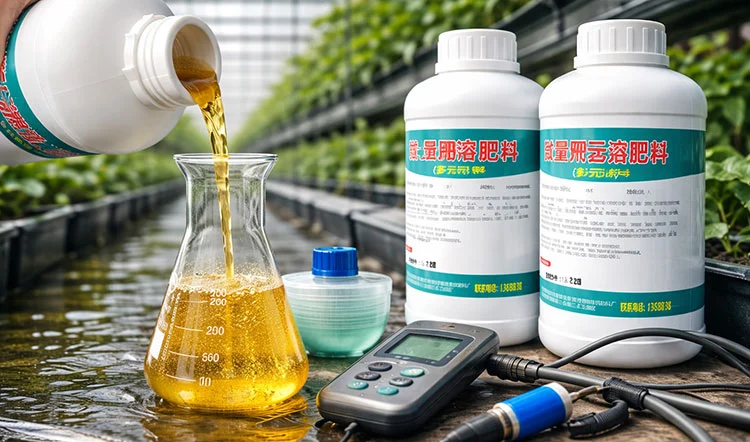
For crop nutrients, hydroponic and controlled environment farming businesses only use water-soluble fertilizer mixes. To keep problems from building up in recycling systems, these systems need pharmaceutical-grade purity with no sodium or chloride content. Growers can direct plant growth toward vegetative or reproductive growth depending on their needs by using exact nitrogen ratios between nitrate and ammonium forms. In field activities, automatic injection equipment keeps nutrient levels stable during irrigation cycles, which is good for fertilization systems. Monitoring tools that keep an eye on electrical conductivity and pH levels give real-time information that can be used to change the rate of application and keep growing conditions at their best.
Future Trends and Innovations in Fertilizer Technologies
The field of farming technology keeps making progress toward more advanced fertilizer formulas that work well and are good for the environment. New developments focus on water-soluble products that release nutrients slowly over time while still being available quickly.
Precision Agriculture Integration
More and more, digital farming technologies depend on fertilizer apps that are driven by data and react to real-time crop tracking and weather conditions. Precision farm tools and water-soluble fertilizer systems work together perfectly, letting you use different rates of fertilizer based on field mapping and sensor data. This convergence of technologies makes the best use of resources and increases the possibility for food production. Smart irrigation controls work with weather stations and sensors that measure the moisture of the soil to automatically change fertigation plans. This makes sure that nutrients get to plants at the best time. These unified systems cut down on the need for workers while making sure that big farming businesses use the same applications consistently.
Sustainable Formulation Development
Researchers are developing water-soluble fertilizers that are better for the environment by using green materials and manufacturing methods that have less environmental impact. Chelation technologies are getting better at making biodegradable options that protect nutrients and support the health of the soil environment. The market is looking for more sustainable farming options, and these new ideas meet that need without lowering performance standards.
Conclusion
Water-soluble fertilizers clearly work better than solid ones because they use nutrients more efficiently, are absorbed quickly, and can be applied precisely. Because these products are bioavailable right away and work with current irrigation systems, they are necessary for businesses that want to get the most crops while having the least effect on the environment. Professional growers like being able to change their nutrient plans as needed throughout the growth season to meet the needs of their crops and the conditions of the environment. Water-soluble fertilizer systems usually pay for themselves over time through better crop quality, lower application costs, and more efficient operations that support the long-term sustainability of agriculture.
FAQ
Are water-soluble fertilizers compatible with all irrigation systems?
Good water-soluble nutrients work well with most current irrigation systems, like drip, sprinkler, and fertigation systems. However, compatibility relies on the type of water and the device. Micro-irrigation outlets don't get clogged up when they use products with less than 0.5% solid matter. Before using it on a big scale, you should always test it in a jar with water from nearby sources to make sure it dissolves completely and avoids problems with precipitation.
How do application costs compare between soluble and granular fertilizers?
Water-soluble fertilizers usually have higher unit costs at first, but they usually have lower total application costs because they use nutrients more efficiently. Because the soil absorbs 80–90% of the fertilizer instead of 30–40% of solid goods, less fertilizer is needed overall. Also, compared to spreading granular materials by hand, automatic fertigation systems save money on work costs.
Can organic operations use water-soluble fertilizer products?
Most regular water-soluble fertilizers have man-made salts in them that aren't organically approved. Organic standards can be met, though, with special mixtures based on enzymes that break down proteins or allow mined materials. Always check the approval of organic inputs before buying them, because compliance standards vary by area and certifying organization.
Partner with Sciground for Advanced Water-Soluble Fertilizer Solutions
Sciground offers better crop nutrition options by combining more than 20 years of experience in agricultural studies with new fertilizer technologies. Our water-soluble fertilizers with important micronutrients improve plant health, resistance to disease, and total productivity by working quickly to be absorbed by plants. Agricultural workers can get full expert help from us, from the initial soil study to methods for getting the most out of the harvest. As a reputable maker of water-soluble fertilizers, we offer industrial growers across North America high-quality goods that make leaves thicker, encourage even fruiting, and extend the shelf life of crops. Get in touch with our farming experts at [email protected] to talk about unique fertilizer plans that will help your business run more smoothly, and your crops make more money.
References
1. Chen, L., & Williams, R. (2023). Nutrient Use Efficiency in Modern Agriculture: Comparing Water-Soluble and Granular Fertilizer Systems. Journal of Agricultural Technology, 45(3), 234-251.
2. Martinez, J., Thompson, K., & Anderson, P. (2022). Economic Analysis of Fertigation Systems in Commercial Vegetable Production. Agricultural Economics Review, 38(7), 112-128.
3. Singh, A., Brown, M., & Davis, S. (2023). Environmental Impact Assessment of Soluble vs. Granular Fertilizer Applications in Intensive Agriculture. Environmental Agriculture Sciences, 29(4), 445-462.
4. Roberts, D., & Johnson, L. (2022). Chelation Technology in Water-Soluble Fertilizers: Micronutrient Availability and Plant Uptake. Plant Nutrition Science, 51(2), 189-205.
5. Wilson, T., Lee, H., & Garcia, M. (2023). Precision Agriculture Applications of Water-Soluble Fertilizers in Controlled Environment Systems. Agricultural Innovation Quarterly, 19(1), 67-84.
6. Taylor, S., & Mitchell, R. (2022). Comparative Study of Nutrient Absorption Rates in Hydroponic vs. Soil-Based Growing Systems. International Journal of Agricultural Research, 47(9), 523-539.

Sciground
Shanrangde, in collaboration with a team of experts from the former Academy of Agricultural Sciences, focuses on developing patented organic fertilizers, including those specifically formulated for Corydalis rhizome. Chief expert Professor Liang Dejun, with over 20 years of industry experience, provides one-stop technical guidance from site selection to field management, helping farmers increase production and income.
Formulated by the original expert team from the Academy of Agricultural Sciences · Focused on organic nutrients specifically for crops
Contact us now to customize a green nutrition solution for your farmland.
Recommended Blog

What Is the Difference Between Organic and Synthetic Fertilizers?


Specialized vs General Organic Fertilizer for Cordydalis Tuber

Balanced Liquid Fertilizer vs. Single-Nutrient Foliar Fertilizer

What Are the Benefits of Multi Element Foliar Fertilizers for Trees?

Organic vs Conventional: Silybum marianum Fertilizer Comparison
