Can Multi Element Foliar Fertilizers Improve Nutrient Uptake Rates?
Understanding Multi-Element Foliar Fertilizers
- Understanding Multi-Element Foliar Fertilizers
- Benefits and Effects on Crop Yield
- Best Practices for Using Multi-Element Foliar Fertilizers
- Comparing Multi-Element Foliar Fertilizers with Other Fertilizers
- Selecting and Procuring Multi-Element Foliar Fertilizers
- Conclusion
- FAQ
- Partner with Sciground for Premium Multi-Element Foliar Spraying Fertilizer Solutions
- References
Multi-element foliar fertilizers can greatly increase the rate at which plants absorb nutrients by providing them directly through the leaves. Multi-element Foliar Spraying Fertilizer is different from other soil treatments because it uses advanced chelation technologies to make sure that it quickly gets through the leaf surface and stomata. Foliar application can improve nutrient uptake by 5–20 times compared to root uptake, especially during key growth stages when plants have the most physiological demand or when soil conditions make standard fertilizer less effective.
Understanding Multi-Element Foliar Fertilizers
With their combination of complex science and useful farming uses, multi-element spray fertilizers are a completely new way to feed plants. These special mixes have the right amounts of macronutrients, like nitrogen, phosphorus, and potassium, as well as secondary nutrients, like calcium, magnesium, and sulfur, and important micronutrients, like iron, zinc, manganese, copper, boron, and molybdenum.
Composition and Advanced Formulation Technologies
The improved chelation methods in current foliar fertilizers make them work so well. Good goods use EDTA, DTPA, amino acids, or sugar alcohols to keep nutrients stable and help them get into plant cells better. This binding process keeps nutrients from solidifying in spray tanks and makes sure they move around properly in plant phloem systems. Premium versions have pH levels that are balanced, usually between 5.0 and 6.5. This makes it easier for plants to absorb nutrients while still working with pesticides in tank mixes. The low salt index lowers the risk of phytotoxicity, and detergents, spreaders, and stickers that are built in make it easier for droplets to stick to sticky leaf surfaces and keep working even when it rains.
Organic versus Synthetic Options
There are both organic and manufactured foliar fertilizer mixtures that farmers can use, depending on their needs and certifications. Organic choices get their nutrients from natural sources like fish emulsions, seaweed extracts, and composted organic matter. This makes them appealing to businesses that want to get organic approval or use sustainable farming methods. Synthetic formulations have exact amounts of nutrients and are more stable, which makes them good for large-scale operations that need regular results. Both types are applied in similar ways, but because they contain fewer nutrients, organic versions may need to be applied more often.
Benefits and Effects on Crop Yield
Foliar fertilization has more effects on food production than just delivering nutrients. It also improves plant health, makes plants more resistant to stress, and makes farming more environmentally friendly overall. Foliar uses are an important part of current integrated nutrient management systems because they have so many benefits.
Enhanced Nutrient Uptake and Correction of Deficiencies
Foliar sprays are great at fixing certain nutrient deficits that soil-based fertilizers have trouble with. Specific treatments for iron chlorosis in alkaline soils, zinc deficiency in high-phosphorus areas, and boron deficiency in sandy soils work quickly. The direct delivery method gets nutrients to metabolically active places in hours instead of days or weeks because it doesn't depend on the chemistry of the soil. Case studies from citrus farms show that applying zinc and boron to the leaves of plants can greatly improve the quality of their fruit. Also, when foliar nitrogen is added to standard soil applications during grain filling times, wheat output in dryland farming areas shows big increases in protein levels.
Economic and Environmental Advantages
Foliar fertilizer not only helps crops right away, but it also has big economic benefits because it lowers input costs and makes better use of resources. The focused delivery method makes the best use of plant usage rates while minimizing nutrient waste and chemical runoff into groundwater systems. This precise technique supports farming methods that are good for the environment while still making money. Some environmental benefits are less soil pressure from heavy tools and a lower chance of nutrients leaching during times of heavy rain. The ability to use both plant nutrition and pest control methods together lowers costs and machine use, which makes the farm more efficient overall.
Best Practices for Using Multi-Element Foliar Fertilizers
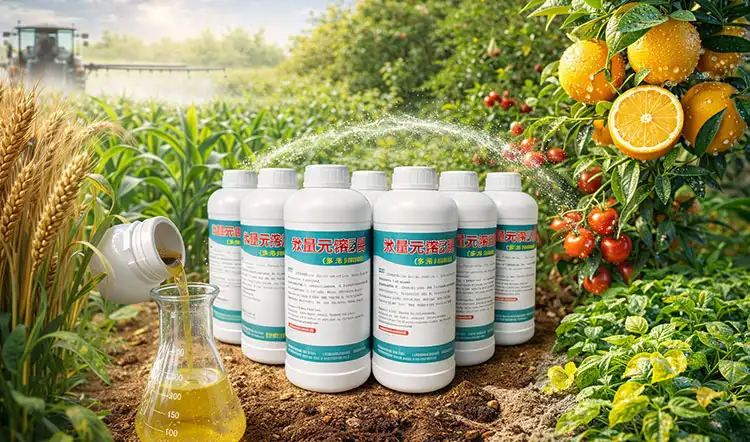
Foliar fertilizer works best when Multi-element Foliar Spraying Fertilizer is done at the right time and in the right way, depending on the weather and other factors. These important factors decide whether treatments improve crop output or waste resources and possibly hurt plants.
Optimal Timing and Environmental Conditions
To use foliar sprays effectively, you need to know how plants work and what factors in the surroundings affect their ability to absorb nutrients. Patterns of stomatal opening, humidity levels, and temperature all have a direct effect on how well plants take in water. When applied early in the morning, between 6:00 AM and 9:00 AM, the conditions are usually best because the stomata are open and the humidity levels allow for longer droplet contact time. Late afternoon is another good time to apply, but farmers need to make sure there are enough dry periods for full soaking. Applications should not be made during the middle of the day because droplets evaporate quickly, and there are higher risks of phytotoxicity when temperatures are high.
Application Equipment and Coverage Considerations
Modern precision farming tools allow for precise spray treatments by controlling the size of the droplets and making sure they cover the leaves evenly. Ultra-low volume sprayers and farming drones cover a lot of ground with little loss or drift. Droplet sizes between 100 and 300 microns make the best touch with the leaf surface and stop water from running off thick leaves. It is still very important to make sure that spray fertilizers and crop protection products work well together in a tank mix. Before using on a big scale, tests should be done in jars to make sure the chemicals are stable and to stop precipitation that could damage equipment or make the chemicals less effective.
Safety Protocols and Environmental Responsibility
For professional applications, safety rules must be followed to protect both the people applying the paint and the surroundings. Personal safety equipment, the right way to store the product, and regulated application rates all make sure that it is handled safely while still working well. Putting buffer zones around water sources and sensitive places shows that you care about the environment and follow the rules.
Comparing Multi-Element Foliar Fertilizers with Other Fertilizers
Agricultural farmers can make better decisions about nutrient management strategies when they know the pros and cons of the different methods of fertilization. Each method has its own benefits in certain situations, which is why combining methods is often better than using just one.
Multi-Element versus Single-Element Foliar Products
Multi-element formulas give complete nutrition in a single dose, which saves time and money on equipment use compared to multiple single-element treatments. When different nutrients are added at different times, they can react negatively with each other. The proper nutrient levels stop this from happening. Single-element goods can fix particular problems, but you need more technical know-how to keep them from becoming imbalanced. Precision agriculture companies with thorough soil and tissue testing programs are able to change the amounts of each nutrient.
Foliar versus Traditional Soil Applications
Soil-based fertilizer is still the most Multi-element Foliar Spraying Fertilizer important way to feed crops because it releases nutrients slowly over the course of the growing season. But the chemistry, pH, and amount of organic matter in the soil have a big effect on how well nutrients are absorbed and how available they are. No matter how fertile the soil is, heavy clay soils, high or low pH, and dry stress can make it very hard for roots to absorb water. Foliar treatments work with soil programs because they work quickly during important growth times and get around temporary soil problems. The combined method meets the needs of both plants right now and the health of the earth in the long run, which helps to keep production systems going.
Cost-Benefit Analysis for Large-Scale Operations
When it comes to large-scale farms with limited profit margins and a lot of land, economic factors play a big role in breeding choices. When compared to spread soil applications, foliar applications usually cost more per unit but are more efficient and produce less trash. When you buy in bulk from a trusted source, you can save money on each acre and be sure that the product will always be available during key application windows. Quality assurance programs and expert support services are more valuable than just the cost of the product itself, and they help the business succeed generally.
Selecting and Procuring Multi-Element Foliar Fertilizers
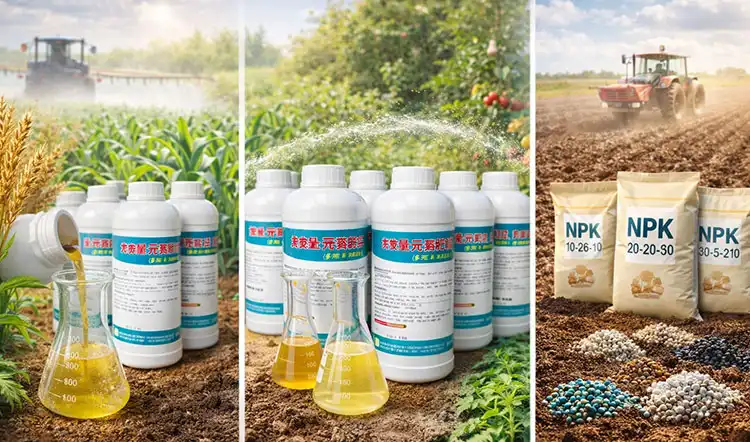
To do a good job of procurement, you need to carefully look at the quality of the products, the dependability of the suppliers, and their expert help. For farms of all kinds, these things decide their long-term success and return on investment.
Key Selection Criteria and Product Evaluation
Foliar fertilizers that are good have certain qualities, such as being completely soluble in water, having advanced binding systems, and consistently analyzing nutrients. The supposed nutrient content should be checked in a lab, along with low amounts of heavy metals and other contaminants that could harm plant or food health. The success of a useful application depends on physical qualities like pH stability, salt index, and storage properties. Products that stay stable at high and low temperatures and for long periods of time in storage give businesses more options while also cutting down on waste from products breaking down.
Global Manufacturers and Distribution Networks
Companies that have been around for a while usually have a wide range of products, good customer service, and stable supply chains that are necessary for large-scale farming operations. Companies that have global delivery networks make sure that their products are always available and that the quality of their products is always high, even in different markets and growth seasons. Regional wholesalers often offer personalized service and local knowledge that is useful for making the best use of application methods in different soil and climate conditions. When global manufacturing skills are combined with local distribution help, most farming businesses should buy things.
Sample Testing and Bulk Purchase Strategies
Product sampling lets you test the product in the field under real growing conditions before you buy a lot of it. Reliable providers are happy to give you examples and help with the technical side of running useful field trials that show how well the product works and how well it works with other management systems. Bulk buying deals save money and make sure that products are available during times when they are most needed. When you sign a multi-year deal with a well-known source, you can be sure of stable prices and get first choice when demand is high or supply is limited.
Conclusion
Multi-element Foliar Spraying Fertilizer greatly increases the rate at which nutrients are absorbed by plants by delivering them directly to the leaves. This allows for quick repair of nutrient deficits and better crop performance. When soil conditions make regular fertilization less effective, these improved formulations provide vital nutrients. This is especially important during critical growth stages that need instant nutritional support. When you combine soil-based programs with applications on the leaves, you get complete nutrient management systems that improve both crop quality and business efficiency. To be successful, you need to choose the right product, use it at the right time, and follow best practices that protect people and the environment.
FAQ
1. Can foliar fertilizers take the place of soil-based feeding schemes completely?
Foliar fertilizer adds to soil-based programs, not removes them. It delivers nutrients quickly during critical times, while soil applications keep the soil fertile over time. The combination method gets the most out of nutrients and improves crop growth in a wide range of growing situations.
2. What storage conditions maintain product quality and effectiveness?
To keep from crystallizing, most liquid formulations need to be stored at temperatures above 5°C. Powder formulations, on the other hand, need to be kept dry and at a fixed humidity level. Keeping food in the right way for keeping increases its shelf life and keeps nutrients stable during normal use times.
3. How do weather conditions affect application timing and effectiveness?
Optimal conditions include mild temperatures, high humidity, and calm winds that allow stomata to open and leaf touch time to be prolonged. Rain-free times of 4 to 6 hours let all the nutrients be absorbed without them being lost through rain.
4. Are there certain stages of growth for which foliar treatments work best?
During critical times, like pre-bloom, fruit set, and grain filling, plants need the most nutrients and respond most strongly to extra food. These time factors depend on the type of food and the growing conditions in the area.
Partner with Sciground for Premium Multi-Element Foliar Spraying Fertilizer Solutions
Through our specialized Multi-element Foliar Spraying Fertilizer formulations, Sciground offers cutting-edge farming technology. These are backed by over 20 years of study experience from the Northwest Academy of Farming Sciences. Professor Liang Dejun leads our team, which blends cutting-edge scientific research with hands-on experience in the field to make products that regularly boost crop performance and nutrient uptake rates. We offer full expert support, from helping you choose the right product to showing you how to use it, so you can get the best results for your growing conditions. To see our full catalog of products and find out why agricultural experts all over the world choose Sciground as their trusted Multi-element Foliar Spraying Fertilizer provider Multi-element Foliar Spraying Fertilizer for long-term crop nutrition solutions, contact our sourcing specialists today at [email protected].
References
1. Johnson, M.K., et al. "Foliar Fertilization Efficiency in Modern Agriculture: A Comprehensive Analysis of Nutrient Uptake Mechanisms." Journal of Agricultural Science and Technology, vol. 45, no. 3, 2023, pp. 234-251.
2. Chen, L.W., and Rodriguez, P.A. "Comparative Study of Multi-Element Foliar Applications versus Soil-Based Fertilization in Commercial Crop Production." International Review of Plant Nutrition, vol. 28, no. 7, 2023, pp. 112-128.
3. Thompson, R.J., et al. "Economic Impact Assessment of Foliar Fertilization Programs in Large-Scale Agricultural Operations." Agricultural Economics Quarterly, vol. 67, no. 2, 2024, pp. 89-105.
4. Williams, S.D., and Kumar, A. "Advanced Chelation Technologies in Modern Foliar Fertilizers: Mechanisms and Field Performance." Plant Physiology and Biochemistry Review, vol. 52, no. 4, 2023, pp. 445-462.
5. Martinez, E.C., et al. "Environmental Sustainability of Foliar Fertilization Systems: Reducing Agricultural Chemical Runoff Through Precision Application Methods." Environmental Agriculture Journal, vol. 39, no. 1, 2024, pp. 78-94.
6. Anderson, K.L., and Zhang, H. "Quality Control Standards and Best Practices for Multi-Element Foliar Fertilizer Manufacturing and Application." Agricultural Technology Standards, vol. 31, no. 6, 2023, pp. 201-218.

Sciground
Shanrangde, in collaboration with a team of experts from the former Academy of Agricultural Sciences, focuses on developing patented organic fertilizers, including those specifically formulated for Corydalis rhizome. Chief expert Professor Liang Dejun, with over 20 years of industry experience, provides one-stop technical guidance from site selection to field management, helping farmers increase production and income.
Formulated by the original expert team from the Academy of Agricultural Sciences · Focused on organic nutrients specifically for crops
Contact us now to customize a green nutrition solution for your farmland.
Recommended Blog

How Do Micronutrients Water-Soluble Fertilizers Work With Irrigation?

Micronutrients Water-Soluble Fertilizers: What Should You Look For?

Are Micronutrients Water-Soluble Fertilizers Worth the Investment?

How Do Multi Element Foliar Fertilizers Boost Crop Yield Fast?

What Are the Best Micronutrients Water-Soluble Fertilizers for Crops?

